
AMA Vertical Tasting
Château de Reignac
(2001-2022)
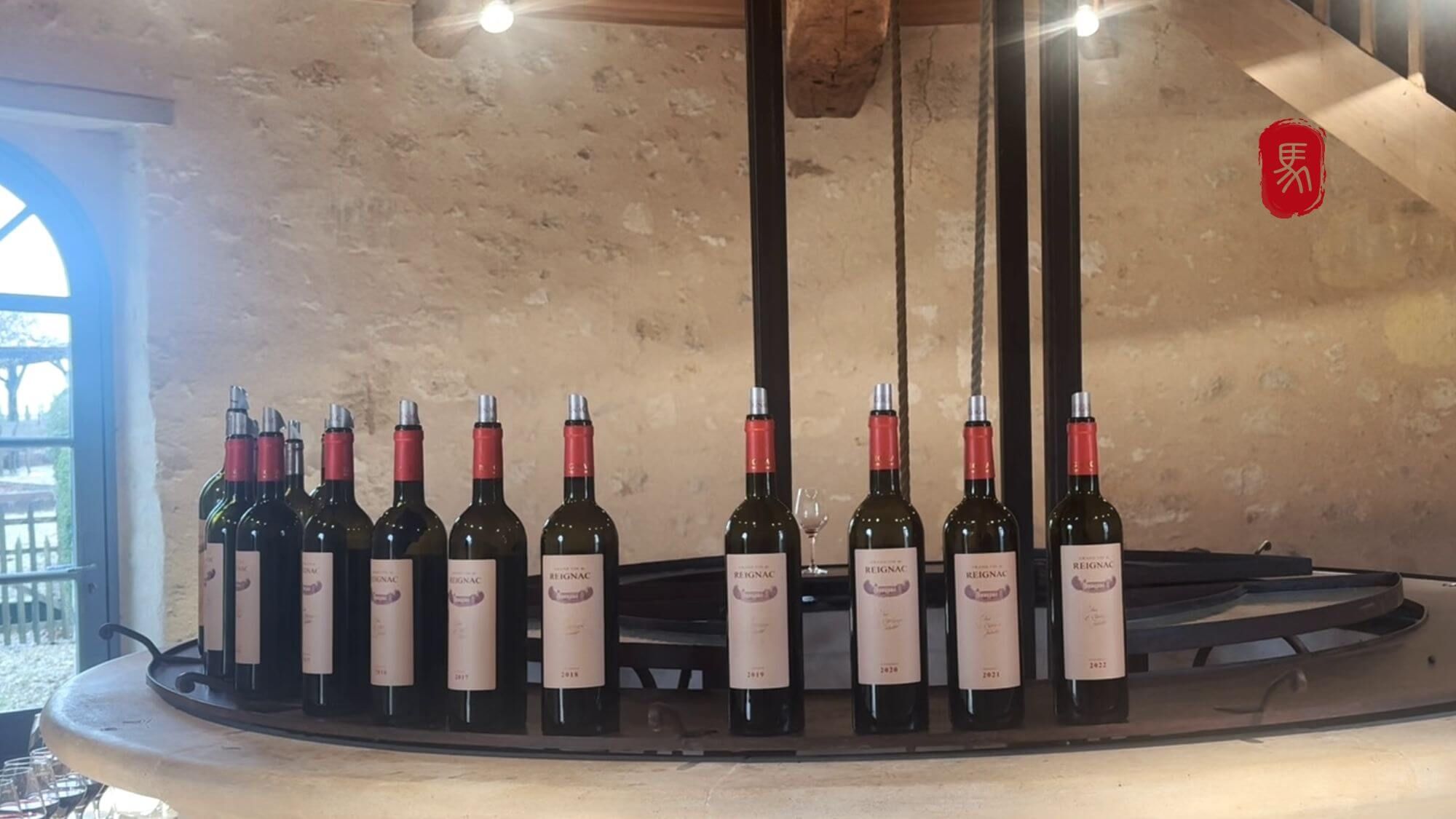
At the beginning of this year, I came to Château de Reignac as promised, to complete the vertical tasting we had agreed upon a year earlier. What I had expected to be a routine château visit with a technical tasting quickly turned into something far more ambitious. The estate’s owner, Yves Vatelot, together with his team, had prepared no fewer than 17 vintages in one sweep.
According to the winemaker, several of the vintages we tasted no longer exist in the château’s own cellars. To help me gain a fuller understanding of how the estate’s style has evolved over time, Monsieur Vatelot went so far as to bring out older bottles from his “private cellar”. As for the 2010 vintage, it was presented in a “1.5-liter magnum”. Such generosity of scale and spirit was unmistakable, and I was genuinely moved by the effort behind it.
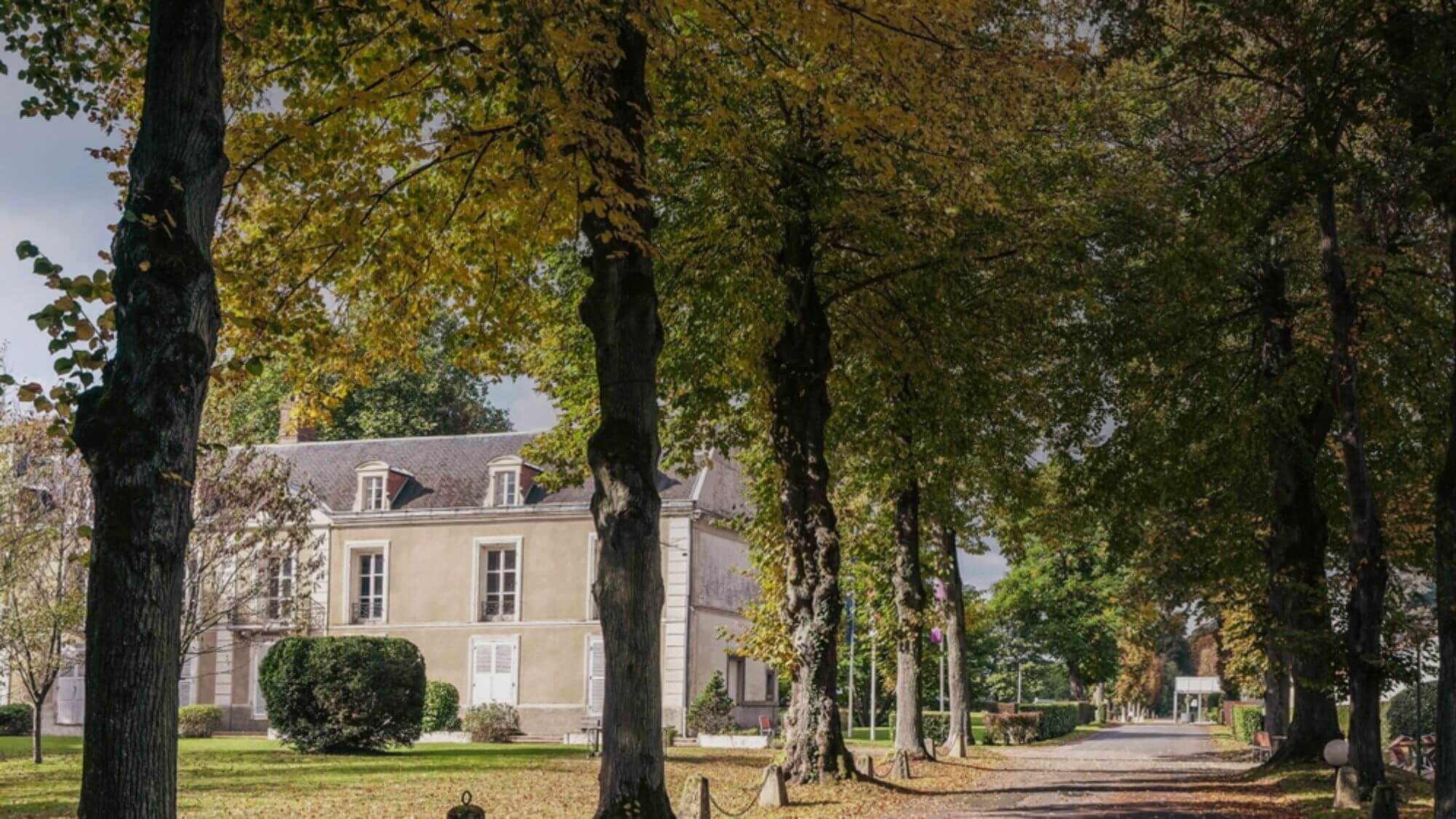
To be honest, my first impression of this château, like that of many others, dates back more than a decade to a blind tasting that has since been cited again and again: “L’incroyable dégustation des plus grands Bordeaux 2001.”
At that tasting, organized by the estate itself, the wine known as **Grand Vin de Reignac**—the very protagonist of today’s vertical—rose to prominence when its “2001 vintage” defeated a lineup of prestigious Bordeaux names, becoming famous almost overnight.
So what exactly happened that day? How did “Grand Vin de Reignac” suddenly capture the spotlight?
Let us turn the clock back and return to the scene of that remarkable tasting.
The Origins of That Blind Tasting
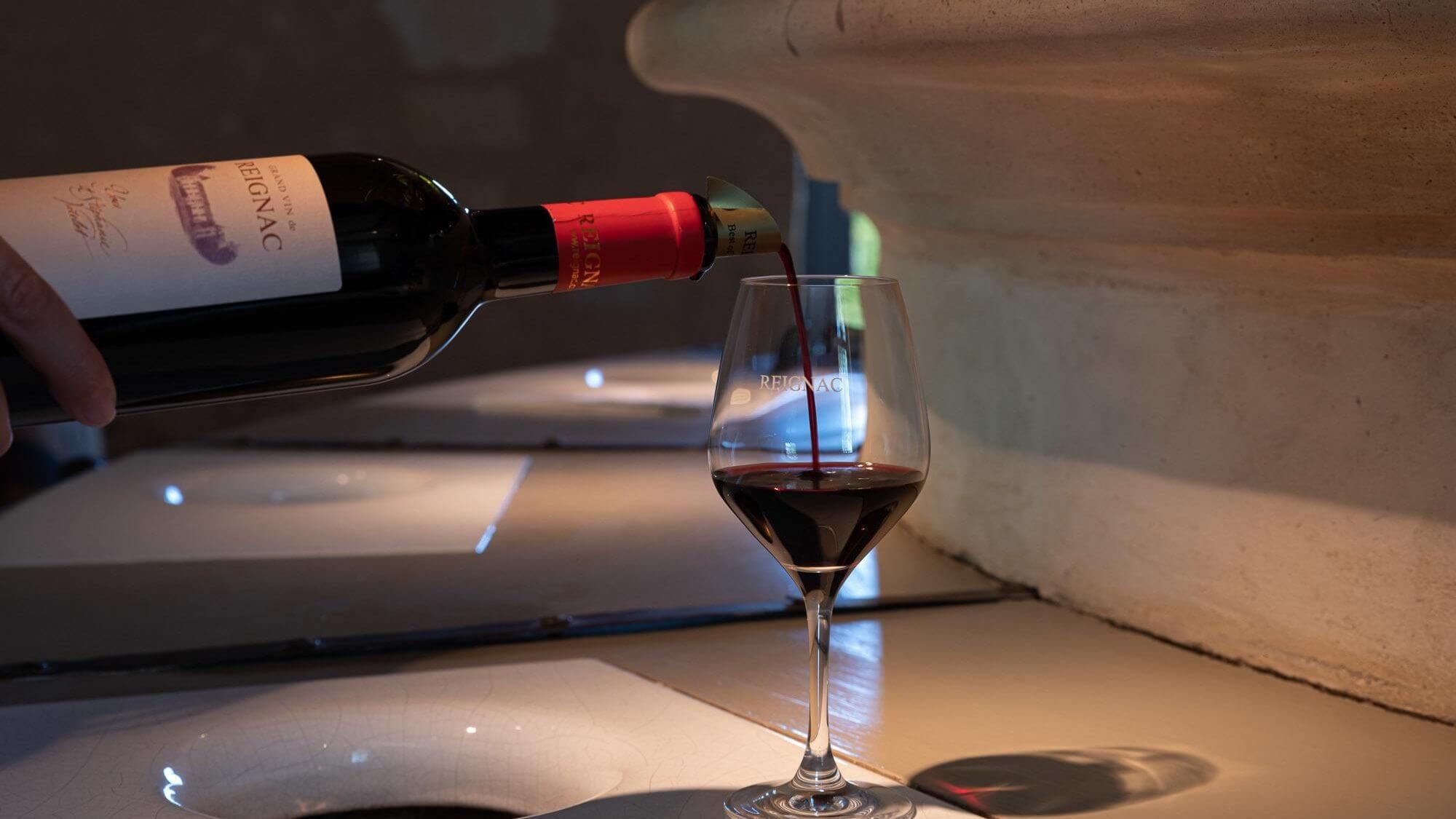
One day in 2009, Monsieur Yves Vatelot invited a group of leading international wine critics to taste 11 top Bordeaux wines, including the estate’s own Grand Vin de Reignac. To be honest, the very idea carried a strong sense of challenge from the outset. It is difficult to imagine what the seasoned critics present that day must have felt when they eventually saw the final results.
The tasting was conducted under completely blind conditions, with no identities revealed and no expectations set in advance. In that setting, this wine from the Bordeaux Supérieur appellation ultimately stood out and ranked second overall, outperforming a lineup of formidable competitors that even included Pétrus. When the results were revealed, the entire Bordeaux wine world erupted. Few could believe such an outcome. Within a short time, the story of a small estate defeating some of Bordeaux’s greatest names spread across the globe.
To be frank, I have always held certain reservations about tastings of this kind. Judging wines of very different styles according to the same set of criteria can feel inherently awkward. It is rather like placing Audrey Hepburn and Marilyn Monroe on the same stage for a beauty contest. The result is bound to provoke debate, yet it rarely leads to a deeper understanding of beauty itself.
What cannot be denied, however, is that from that moment on, Grand Vin de Reignac, the estate of Château de Reignac, and even the entire Bordeaux Supérieur appellation began to enter the awareness of consumers around the world. Sales rose accordingly. From a purely commercial perspective, it was undeniably a tremendous success.
AMA SNAPSHOT of Château de Reignac
Bringing the story back to 2026, as a member of a younger generation of wine critics, what kind of Grand Vin de Reignac do I see today? In a region as crowded with stars as Bordeaux, can it truly secure a place of its own?
Drawing on the impressions from this 17-vintage vertical tasting, here is how I understand the wine today:
1. Powerful tannins form its unmistakable backbone
The tannins of Grand Vin de Reignac have never been about softness. In youth, they often carry an almost wild sense of strength, full of tension and impossible to ignore. Even after twenty years of aging, this force remains clearly perceptible. That firm structure is the wine’s defining foundation.
2. It relies heavily on full ripeness and performs best in strong vintages.
Grand Vin de Reignac can be quite vintage-dependent, yet when the fruit achieves ideal maturity it rarely disappoints. In those years, a supple texture and the fragrance of ripe dark fruit unfold layer by layer, gradually wrapping around the powerful frame and softening the impression of its tannins. Vintages such as 2005, 2009, 2015, 2019, and 2022 illustrate this beautifully.
However, in years with large day-night temperature swings, even when overall growing-season temperatures are not low, the wine may lack that rounded, velvety feel. The result can be a structure that feels large yet slightly lean. 2010 and 2016 offer good examples of this phenomenon.
3. The 2010 vintage marks a turning point
Compared with the 2001 vintage, which once shone in the famous blind tasting, I feel that the real depth of Grand Vin de Reignac begins to emerge after 2010. From this point onward, the tannins become noticeably smoother and the overall architecture grows more harmonious. The once slightly disjointed structure begins to integrate fully with the body of the wine, and the different elements show a far greater degree of cohesion.
4. Since 2019, clearer fruit expression and occasional limestone salinity
During the first three years after bottling, toasted notes remain quite prominent. Yet starting with the 2019 vintage, only 2–3 years of patience are needed before the wine begins to open. As the toasted aromas gradually recede, the fruit and structural details emerge with greater clarity and dimension. At the same time, a saline nuance—suggestive of limestone soils—begins to appear from time to time, adding a more defined sense of place to the wine’s profile.
5. Strong aging potential, easily reaching 15–20 years
In vintages where structure, tannins, and ripeness are well aligned, Grand Vin de Reignac can display a surprisingly youthful character even after extended aging, with a capacity to develop gracefully for 15–20 years or more.
The story of Château de Reignac did not begin with legend.
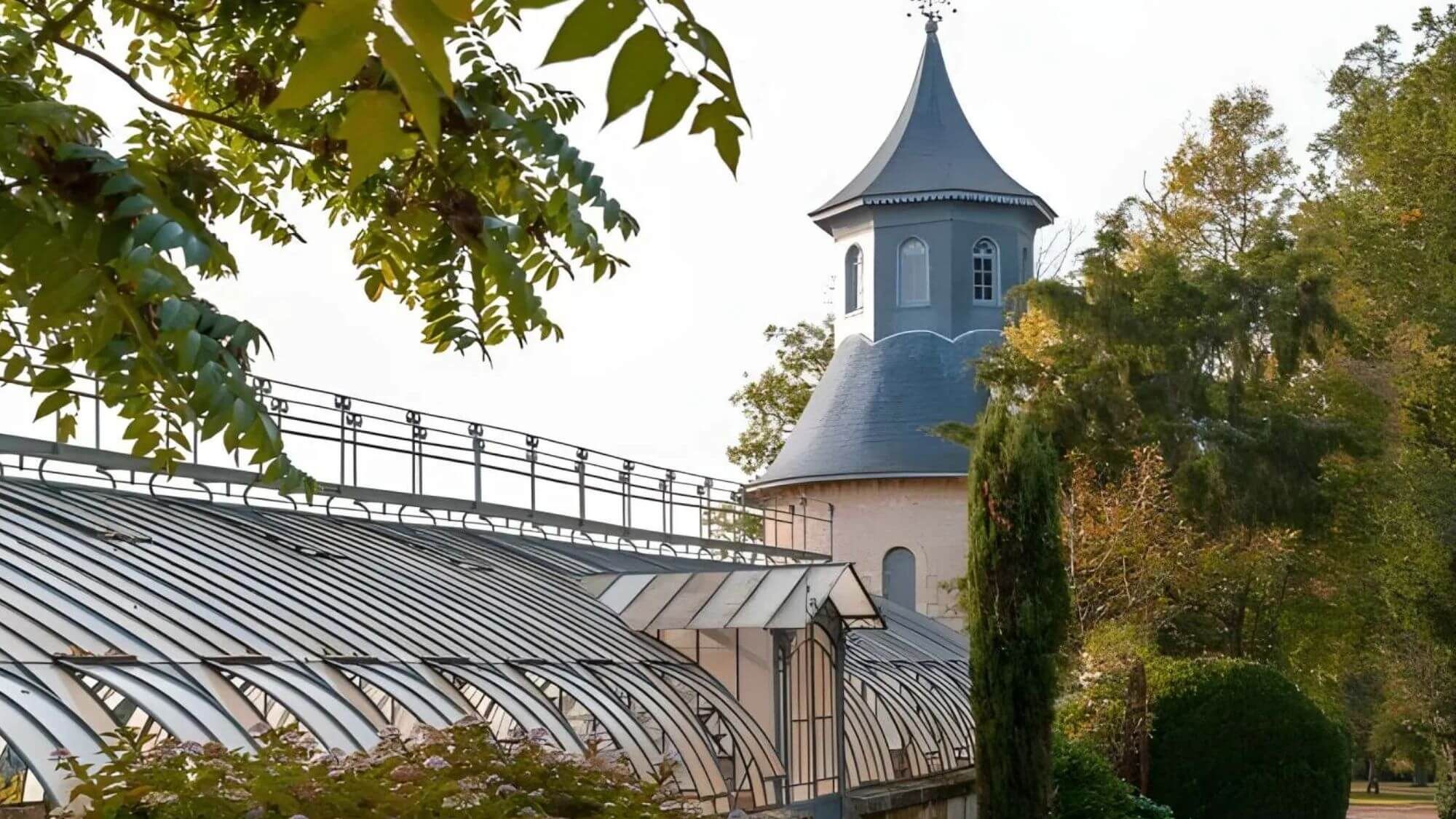
The existing château buildings date back to the 16th century, when they were constructed by Lord Baude de Peyron. During the 18th and 19th centuries, the estate underwent several rounds of renovation, gradually forming the enclosed cour d’honneur that defines the property today. A greenhouse designed by Gustave Eiffel was also added during that period. By historical standards, Reignac is an old estate with clearly layered traces of time. Yet for a very long period, it existed quietly on the margins, maintaining a subtle distance from the core circles of Bordeaux.
Then, in 1990, a turning point arrived.
That year, Yves Vatelot made a decision that few people at the time truly understood. He sold his highly successful depilatory device company to Braun, and devoted himself entirely to wine. It was a clear-eyed yet all-in gamble on a completely new chapter of life.
Vatelot told me that he had long been a devoted admirer of Bordeaux wines. What he wanted was a piece of land in Bordeaux capable of producing a true Grand Vin. Through the introduction of his close friend Michel Rolland, this estate—largely overlooked for nearly two centuries—entered a new era. It also marked the beginning of a deep collaboration with the Michel Rolland team, a partnership that has now continued for more than thirty years.
When Vatelot began searching for land with the potential of a true Grand Terroir, Rolland recommended this vineyard—Reignac—a place full of promise yet never fully embraced by the mainstream. This was not the story of discovering an already famous château. Rather, it was the deliberate choice to begin with the unknown.
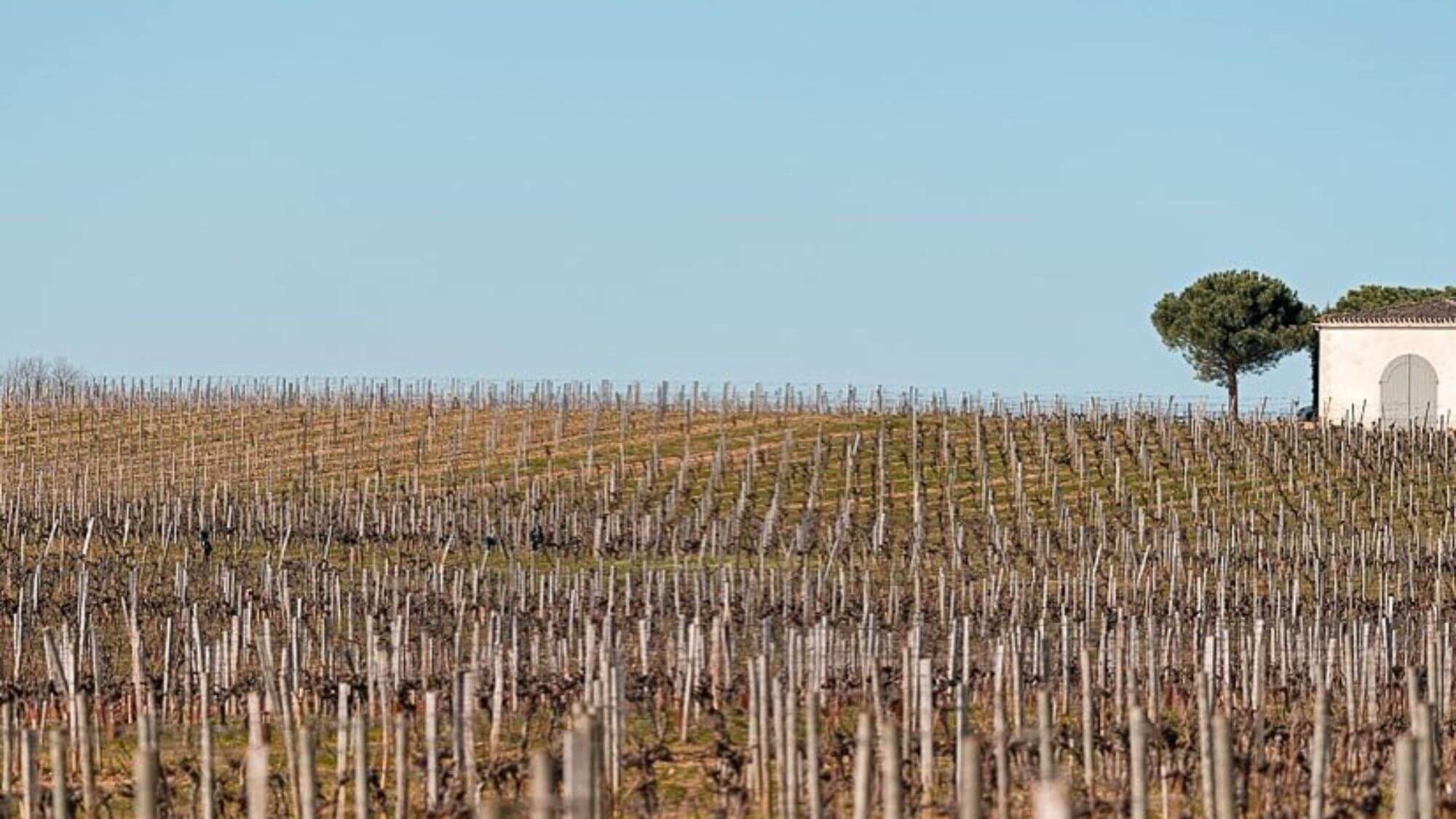
Technique: Everything Revolves Around Texture
When speaking of the success achieved by Château de Reignac, one inevitably comes to its choices in winemaking. In my view, Reignac’s success does not stem from an obsessive pursuit of aromatic intensity. Instead, it has always revolved around tannin and structure. It is precisely this persistent shaping of texture that allowed the wine to stand out in blind tastings. This approach echoes something I often tell wine lovers back in China: good wines play with aromas, but great wines play with texture.
There are many ways to achieve that sense of texture, yet to me the most crucial element lies in the fact that part of the Grand Vin de Reignac undergoes vinification intégrale, or fermentation directly in oak barrels. This technique is sometimes rejected by consumers who pursue what they consider the purest form of elegance.
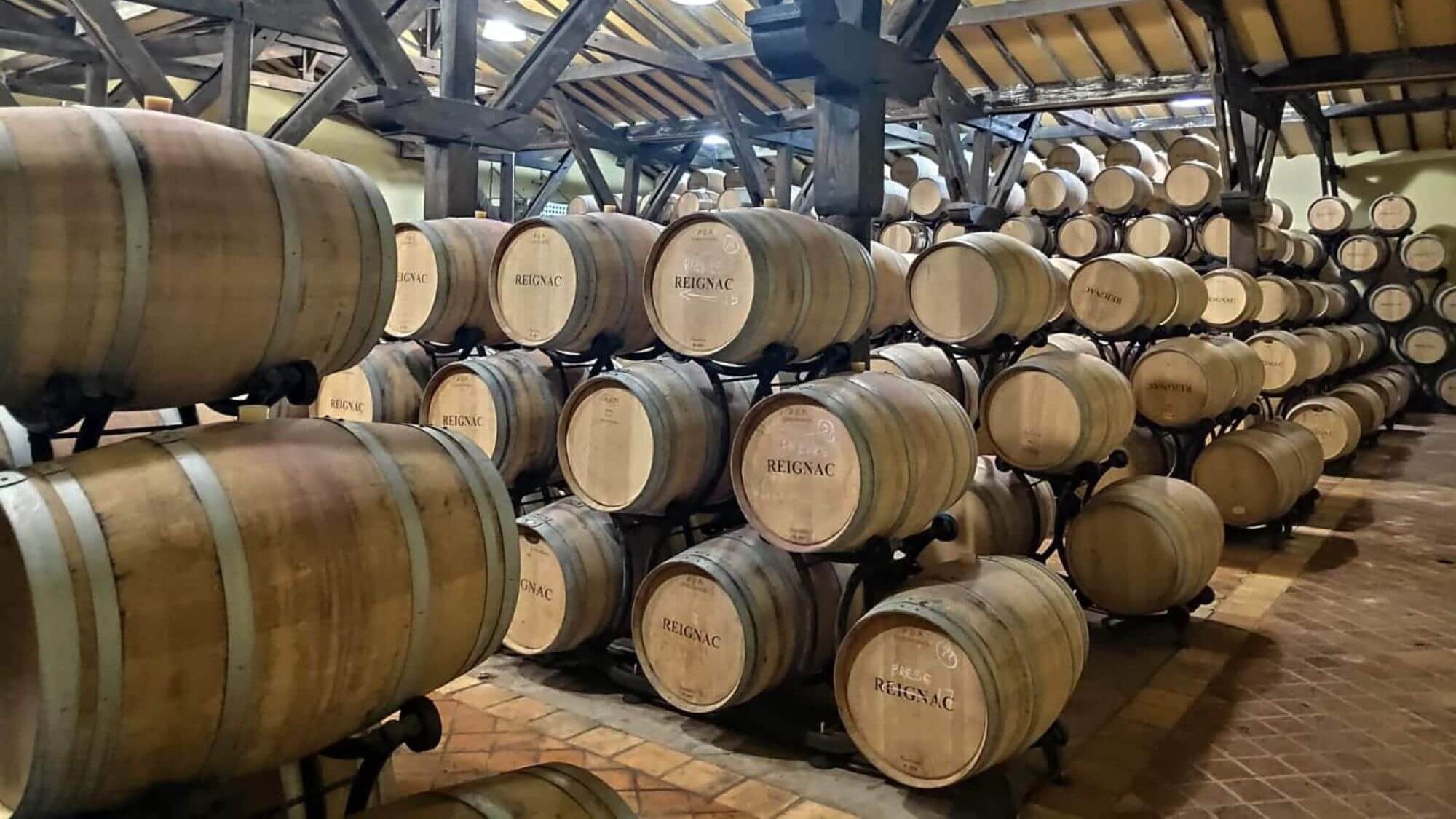
But from what I have observed through years of visits and firsthand study, when handled properly—especially with careful selection of oak barrels and appropriate toasting—it does not blur the clarity of the fruit. On the contrary, it can infuse the wine with a large amount of exceptionally fine, evenly distributed tannins, building in the mouth a density and textural depth that grapes alone could rarely achieve.
Today, Grand Vin de Reignac has mastered this technique with remarkable ease. To better carry it out, the château also employs the OXO barrel rack system, which allows the winemaker to rotate the barrels directly on their supports. This enables gentle, low-temperature extraction, preserving the integrity of the wine while avoiding excessive intervention in the structure.
Of course, the success of Reignac is not defined by a single technique. Rather, it is the result of a long and gradual process of self-verification. Over more than thirty years, the technical team has repeatedly studied the soils, dissected the estate’s geomorphology, and reorganized the vineyards. Through the work of an entire generation, they have gradually discovered the most faithful interpretation of what Grand Vin de Reignac can truly be.
Terroir: Where the Left and Right Banks Meet on the Same Land
Earlier we mentioned that Michel Rolland once remarked that Château de Reignac possesses truly top-class terroir. So what exactly makes it so special?
The estate covers 145 hectares, of which 75 hectares are under vine. The remainder is composed of forest, lakes, wetlands, grasslands, and fallow land, forming a fully preserved ecological environment.
What makes it particularly fascinating is that within the same property, one can find soil types that resemble the most characteristic terroirs of both banks of Bordeaux. A look at the soil distribution map reveals the following structure.
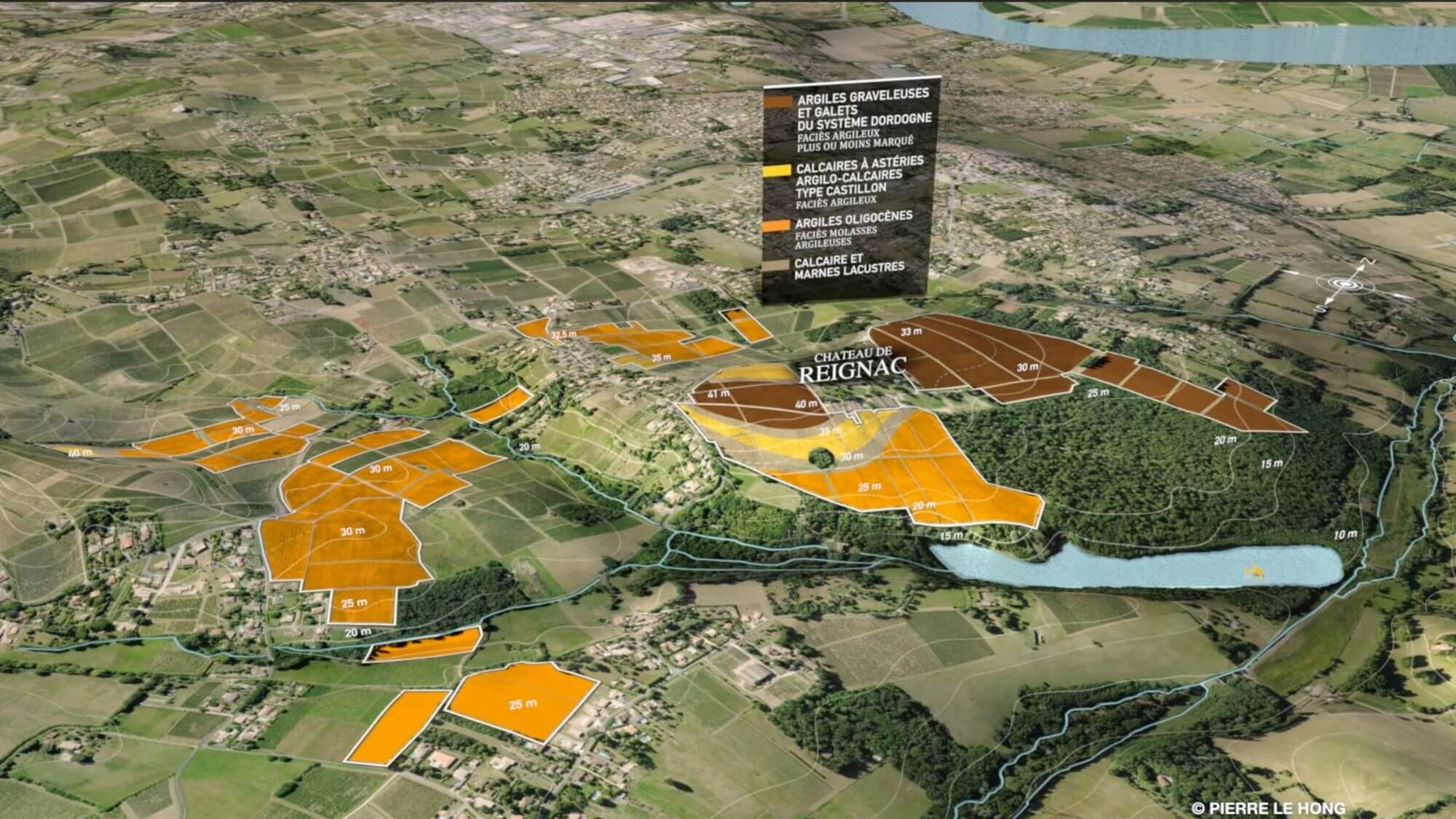
The brown areas are dominated by gravelly clay, a terroir remarkably similar to that of leading estates in the Médoc on Bordeaux’s Left Bank. These soils help provide ripeness and roundness to the blend while also forming a firm and tightly knit tannic framework, an essential component of the wine’s backbone.
The yellow zones, though relatively small in surface area, represent the indispensable soul of the estate. These ring-shaped limestone-clay soils regulate water supply in the ground with precision and stability. While maintaining proper ripeness in the grapes, they also bring fresher acidity to the blend and, in certain vintages, contribute a distinctive saline nuance.
The orange areas are composed primarily of clay soils, which drain less efficiently than the previous two types and therefore tend to ripen later. In the final blend, they often contribute stronger tannins and a more imposing structural presence. Such soils typically perform very well in hot, dry years, while in cooler, wetter vintages they can sometimes produce firmer tannins and an excess of tension.
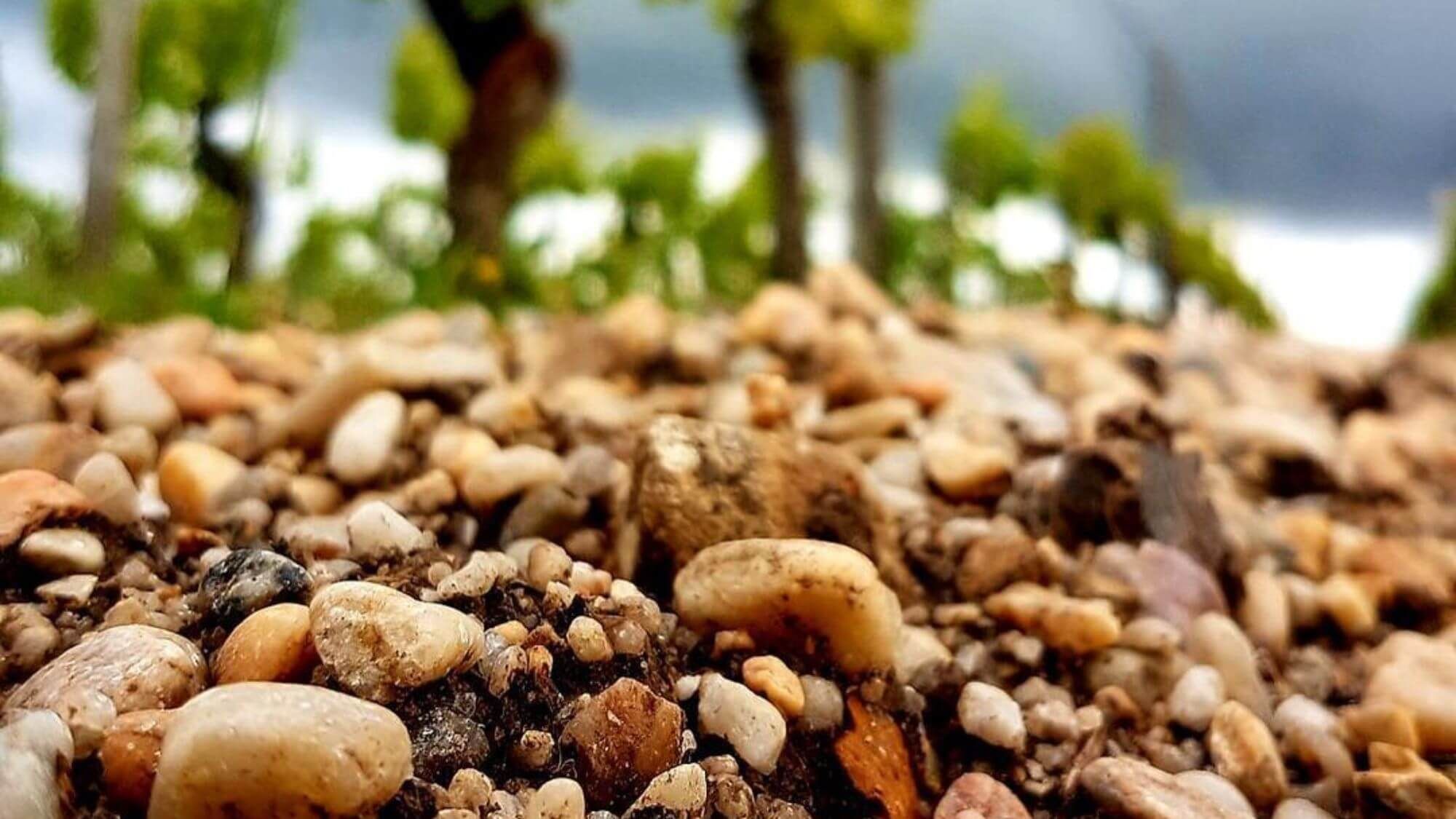
From my own observations, this particular combination of terroirs shows its greatest strength in hot and dry vintages. The more the vines are pushed by heat and water stress, the more clearly the potential of this land emerges. In the broader context of global climate warming, such a structure offers a significant advantage, and the 2022 vintage provides a compelling example.
At the same time, in cooler and wetter years, this terroir cannot fully express its potential. 2008 and 2013, for instance, did not quite capture the true essence of Reignac, whether in aromatic expression or structural balance.
Grand Vin de Reignac carries, without doubt, the stature one expects of a great estate, its quality affirmed time and again over more than three decades. It stands as a true Grand Vin de Bordeaux, and more importantly, it is a “consumer-friendly” Grand Vin, one that ordinary wine lovers can open at any time and happily return to again and again.