
AMA Vertical Tasting
Santa Rita Casa Real
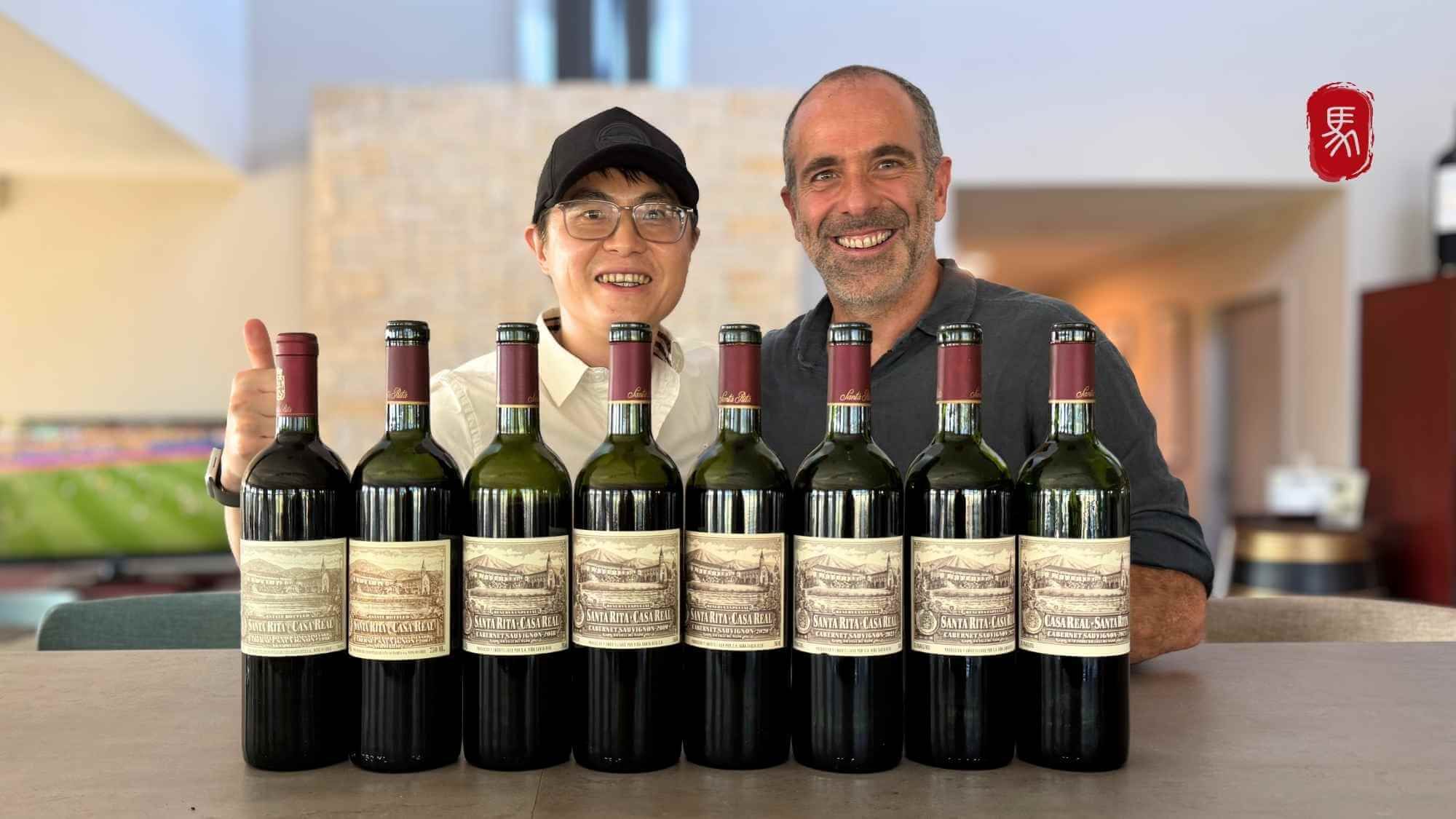
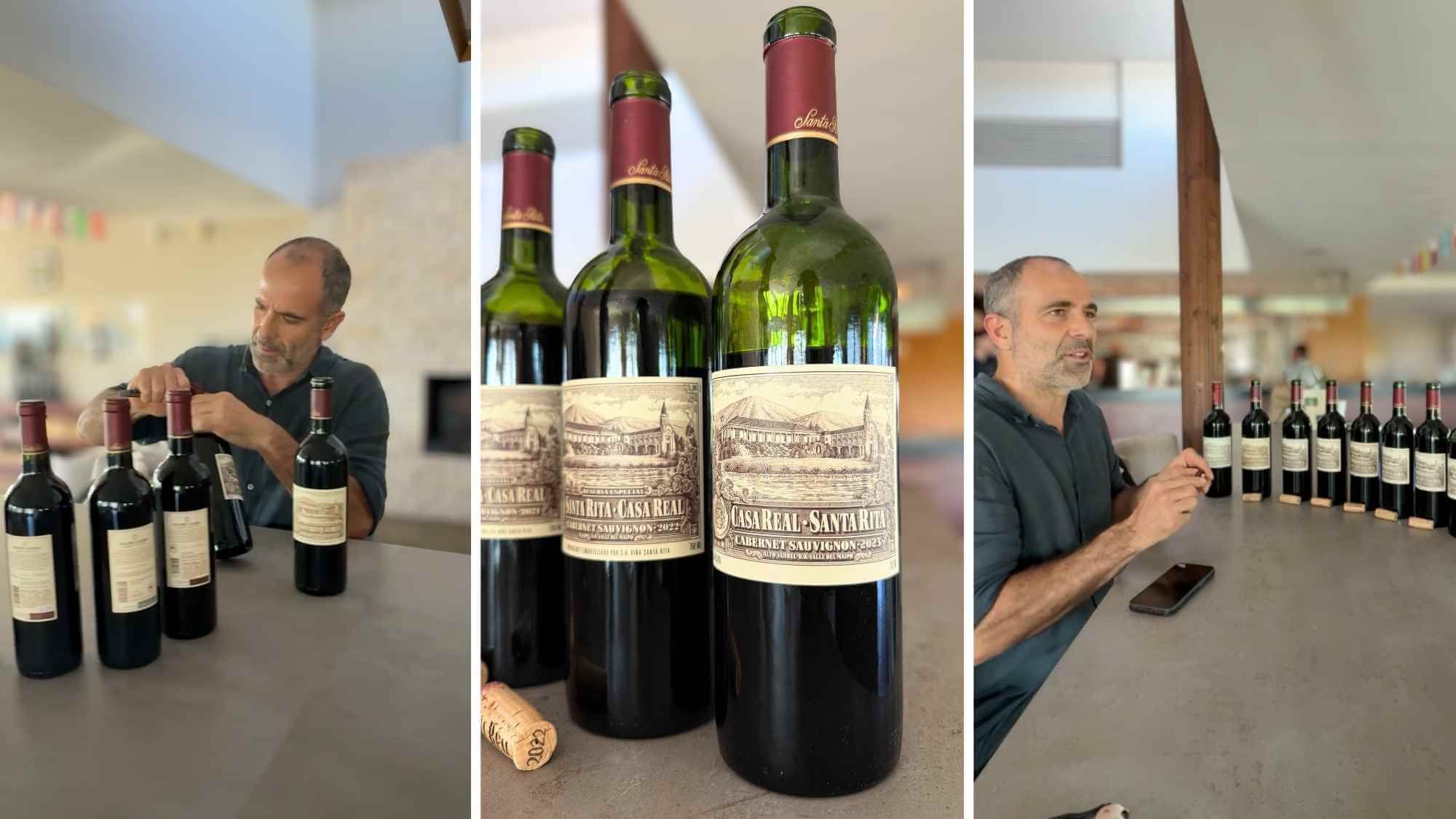
A few days ago, Casa Real winemaker Sebastián Labbé came to Bordeaux to work with consulting oenologist Éric Boissenot on the final blend for the 2025 vintage. Since he was already in Bordeaux, of course we had to seize the opportunity for a vertical tasting!
We had originally planned to meet in the city, but Bordeaux is rather notorious for its traffic jams. In the end, we simply moved our tasting to the Relais de Margaux golf resort in the village of Margaux.
⸻
AMA SNAPSHOT of Santa Rita Casa Real
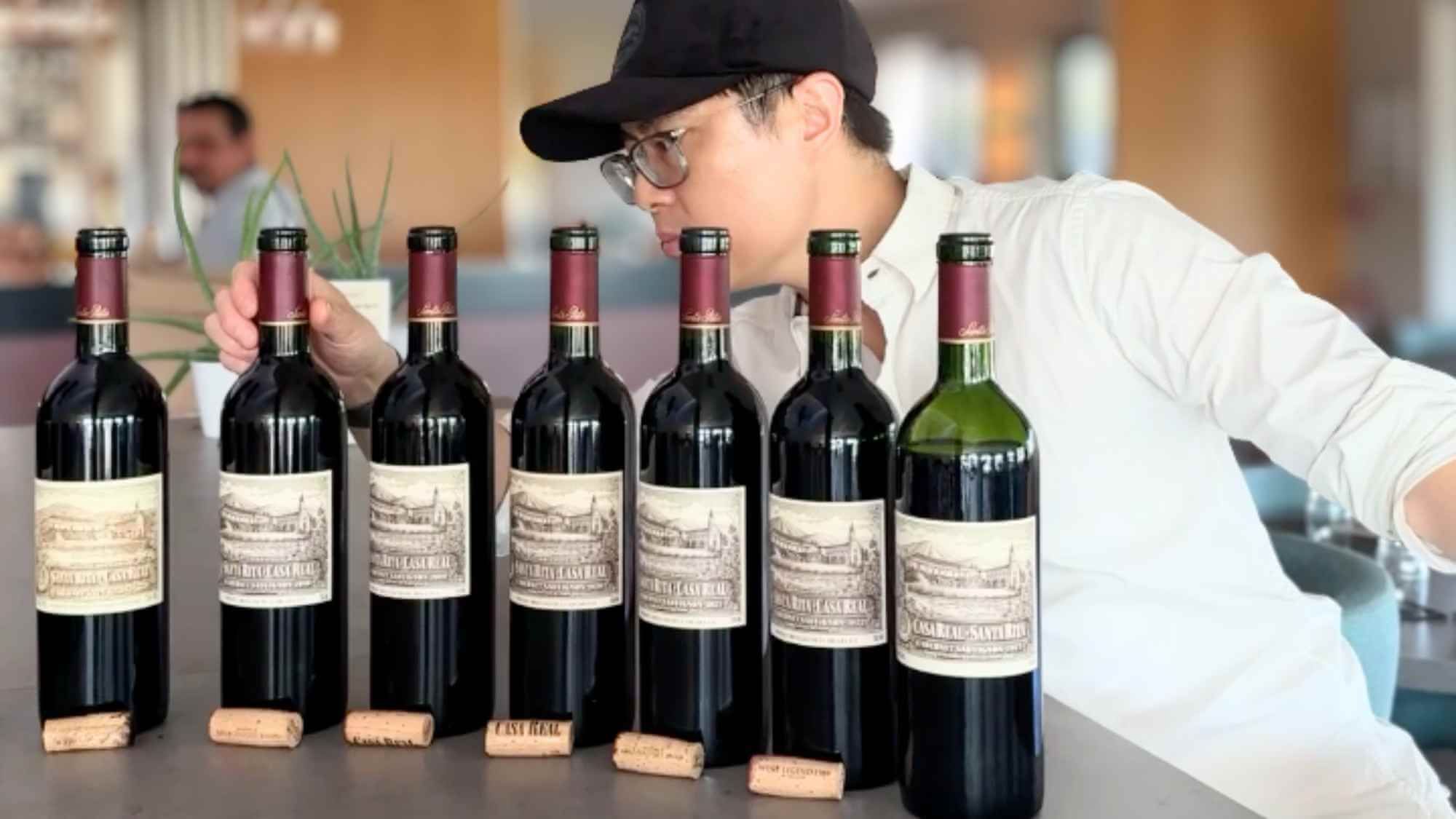
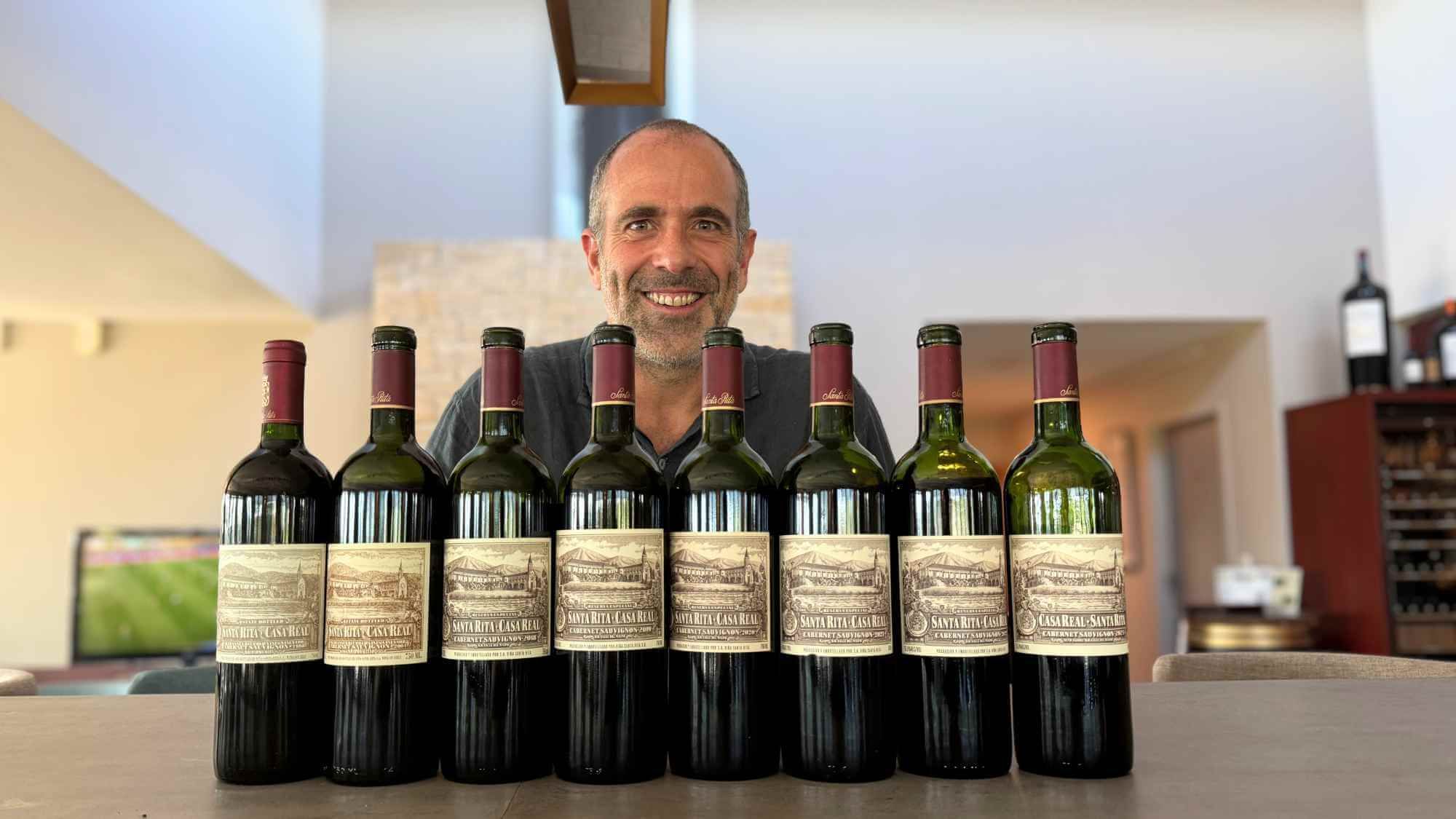
After tasting eight vintages, I came away with a much clearer understanding of Casa Real. Here are my key takeaways:
1.100% Cabernet Sauvignon is its defining signature.
2. One of Chile’s most elegant expressions of Cabernet Sauvignon.
The palate is consistently transparent and pure, with bright, refreshing acidity and remarkable clarity between each layer. It is like looking at the world through a perfectly polished lens, where every detail comes sharply into view.
3. It does not rely on opulent berry fruit to make an impression. Instead, it consistently retains a ripe yet restrained herbal character.
4. No matter how warm the vintage, it always maintains a sense of coolness and ample acidity.
5. 2017 was Sebastián’s first vintage at the helm of Casa Real, but it was from 2020 onward that the estate truly began its move towards a more elegant style.
6. Since 2020, tannin extraction has become noticeably more refined.
The naturally abundant tannins of Cabernet Sauvignon are polished to the point of becoming almost seamless, while the finish has gained an additional layer of delicate savouriness and salinity.
7. Over the past decade, the difference in quality between cooler and warmer vintages has been remarkably small.
The Beginning: A Legend Born Through Trial
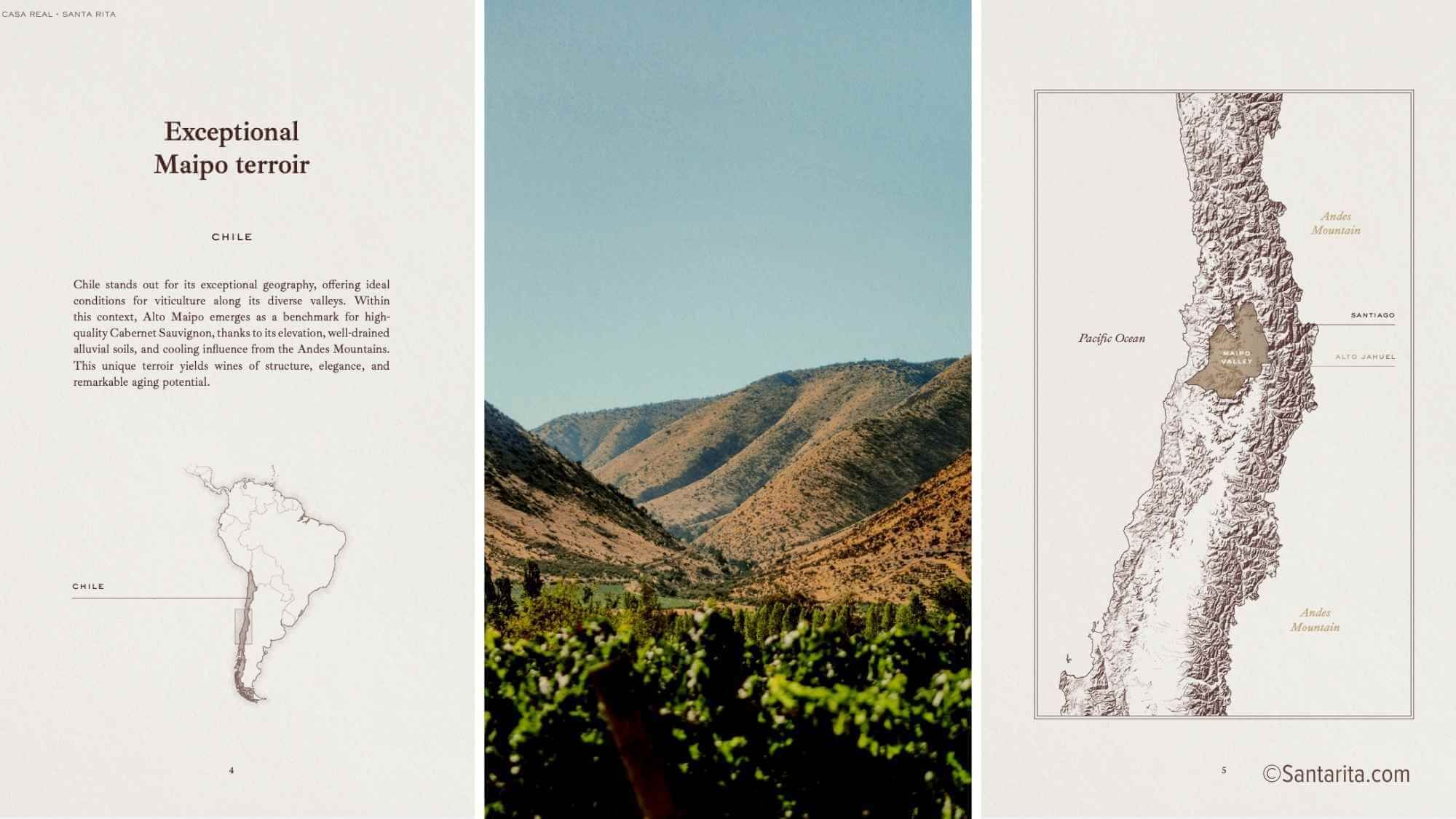
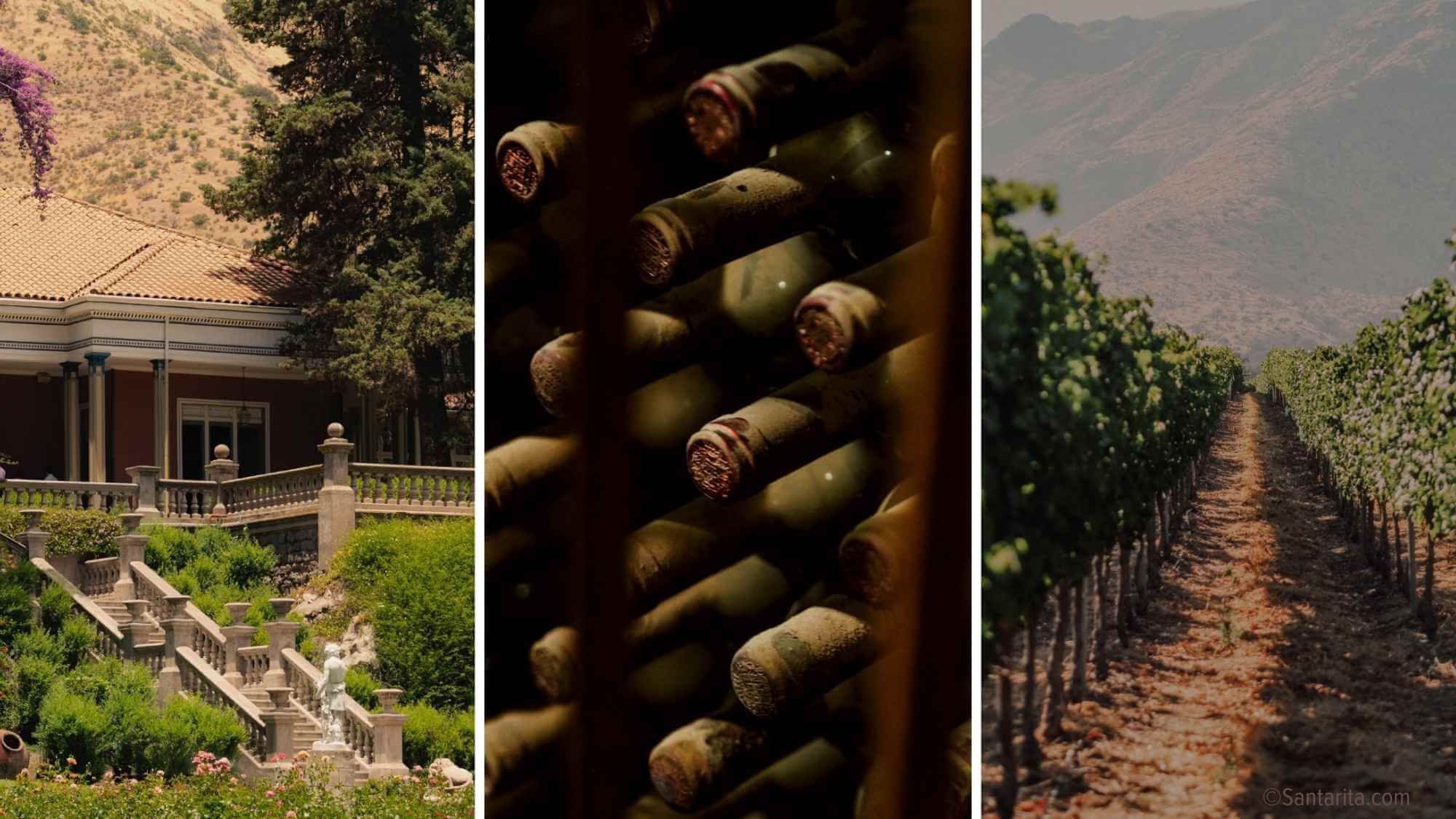
Looking back at Casa Real today, it is easy to imagine that its creation was somehow inevitable. But in reality, back in the mid-1980s, the team had no idea which vineyard could produce their finest Cabernet Sauvignon. They had none of the precision viticulture we know today, no drones, satellite imagery or sophisticated data models. The only tool they could rely on, and perhaps the most trustworthy of all, was time. Trying year after year, comparing one parcel against another.
It was not until 1986 that they began to notice something special: a small Cabernet Sauvignon vineyard in Alto Jahuel was delivering the most consistent results, vintage after vintage. The 1987 and 1988 vintages further confirmed their intuition, and in 1989, the first Casa Real was officially born.
For Chilean wine, Casa Real marked a turning point. In the 1980s, the country’s fine wine industry was only beginning to take shape, and Cabernet Sauvignon capable of making its mark on the international stage was rarer still. Casa Real not only demonstrated that Chile could produce Cabernet Sauvignon with genuine ageing potential, but also encouraged the world to see the terroir of Alto Jahuel in a new light.
In the years that followed, Don Melchor, Seña and Almaviva would each push Chilean wine to new heights. But viewed in the context of its time, Casa Real was undoubtedly one of the true pioneers of Chilean fine wine.
The Same Terroir, a Different Expression
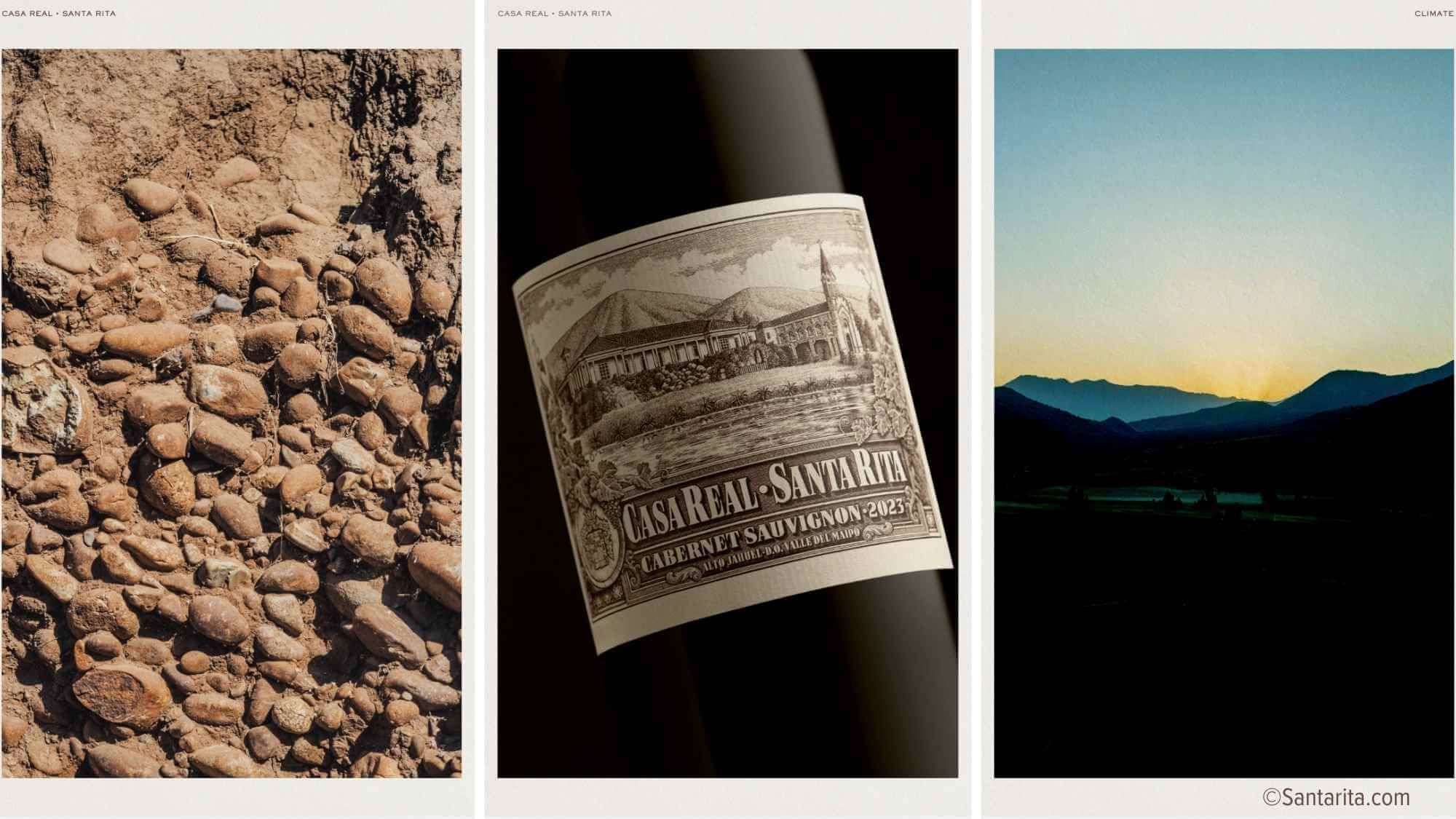
While talking about the origins of Casa Real, I asked Sebastián another question. Forty years on, does that original vineyard still exist?
His answer was yes. Not only is it still there, it has remained at the very heart of Casa Real.
Originally, these twenty hectares were divided into just eight large parcels. Today, the same land has been further divided into twenty-four smaller management units.
Sebastián explained that this was not about making things more complicated for the sake of it. Rather, as their experience accumulated, they began to understand that even within the same vineyard, different areas could show clear differences in the pace of ripening, tannin quality and fruit structure.
In the past, they were searching for the best vineyard. Today, they are constantly learning to understand the personality of every part of it.
Sebastián also told me how much he enjoys this evolution. Every harvest gives him the chance to understand the vineyard a little better, bringing him one step closer to the Grand Vin he has in mind.
Three Winemakers, Three Distinct Eras
Over more than three decades of Casa Real’s history, three key winemakers have each left their mark.
The first, Ignacio Recabarren, was above all an explorer. His greatest contribution was not the creation of a particular style, but the discovery, through constant experimentation, of the Cabernet Sauvignon that could best represent Alto Jahuel.
The second, Cecilia Torres, brought Casa Real into a period of maturity. Tannin quality was always at the heart of her approach. She wanted the wine to possess genuine ageing potential while remaining balanced and consistent, ultimately establishing the Casa Real style we know today.
When Sebastián Labbé took over, he did not set out to overturn the philosophy of his predecessors. Instead, he built upon what was already there, bringing his own interpretation of what an “elegant Cabernet Sauvignon” could be.
At this point in our conversation, I finally asked the question I had been holding back: if 2017 was Sebastián’s first vintage at Casa Real, why did I feel that the real stylistic shift only began in 2020?
That question really got him talking.
Sebastián told me that for decades, many Chilean wines had pursued ripeness, concentration and power.
Today, they are pursuing something different: “precision”.
In his view, Chile has never lacked concentration. The real challenge is how to use more precise winemaking to express that inherent power with greater accuracy and finesse.
The first change was fermentation temperature.
In the past, Casa Real was generally fermented at 28 to 30°C. Today, that has been lowered to 24 to 25°C. The aim is not to reduce colour, but to avoid over-extraction and achieve a better balance between fruit, acidity and tannins.
The second change was the elimination of cold maceration.
Sebastián explained that they used to practise cold maceration, but eventually realised it was unnecessary. The grapes are harvested early in the morning and usually arrive in the tanks at just 12 to 14°C, naturally providing the cool conditions they need. There is little reason to prolong this stage artificially, and removing it also allows fermentation to begin earlier.
The third change was a shorter maceration period.
Rather than continually pursuing greater extraction as they once did, the team now prefers to end maceration earlier and devote more attention to preserving the wine’s shape and texture.
Sebastián used two words to describe this evolution.
In the past, it was about “extraction”.
Today, it is closer to “infusion”.
He would rather allow the wine to draw flavour gently from the skins over time than constantly demand more colour and tannin from them.
He would rather allow the wine to draw flavour gently from the skins over time than constantly demand more colour and tannin from them.
There is another subtle change that struck me as particularly “Bordeaux”: a more rigorous selection of press wine.
Sebastián told me that in recent years, they have begun paying much closer attention to the quality of their press wine. In the past, much of the work was concentrated on the fermentation stage, with the aim of extracting as much colour, tannin and flavour as possible. Today, they prefer to leave a little more in reserve during fermentation, preserving higher-quality press wine and giving themselves more possibilities when it comes to the final blend.
None of these changes may seem particularly dramatic on its own, nor have they fundamentally altered the identity that has always defined Casa Real. But as these details have accumulated, one by one, the change in the glass has quietly become unmistakable.
And at that moment, I finally understood why I had always felt that the true turning point was not 2017, but 2020. It seems my palate had been right after all.
Technical change never happens overnight. It takes time and patience, accumulating little by little through countless details that may seem insignificant, until eventually a transformation of one’s own begins to take shape.
So it is with winemaking. So it is with life.
That’s all for today. See you at the next vertical tasting!