AMA Vertical Tasting
Domaine Franco Chinois & Canaan Winery.Chapter and Verse
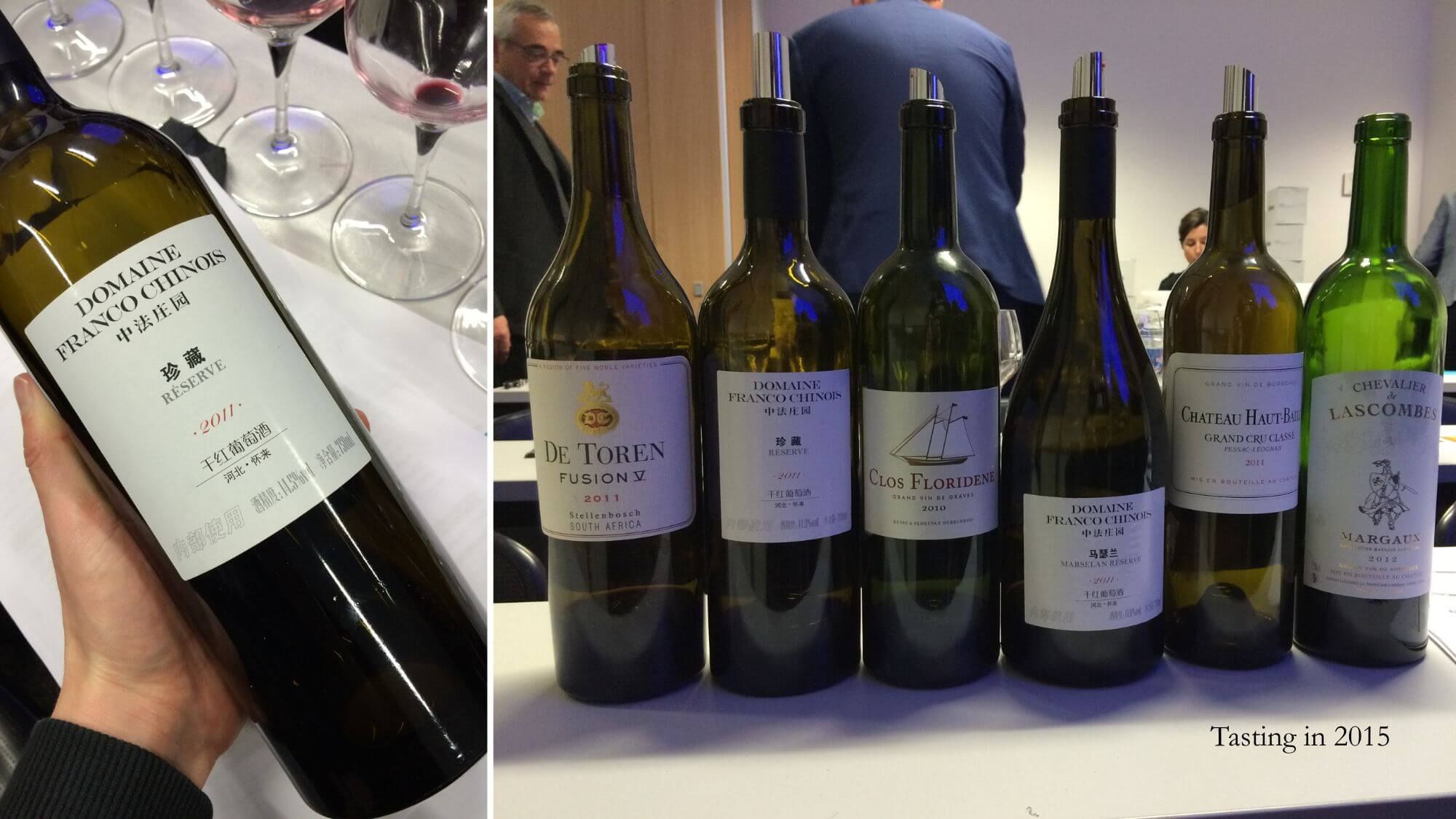
My first encounter with Domaine Franco-Chinois dates back to 2015. What I remember most vividly was the four Chinese characters printed prominently on the label: “For Internal Use Only.”
At the time, I was pursuing my master’s degree in Bordeaux, and I had a Taiwanese classmate named Anita to thank for the opportunity to taste the wine. Anita was no ordinary student. By the time she joined our programme, she already had a PhD. Yes, you heard that right, a PhD! So what on earth was someone with a doctorate doing back at university, studying for a master’s degree alongside the rest of us? Once we got to know each other better, I discovered that she had been sent to Bordeaux for further training by her boss, a well-known entrepreneur in the semiconductor industry. We were all classmates, but goodness, what a difference in our starting points in life…
Back then, a group of us regularly organised blind tastings at weekends. On one occasion, Anita arranged a mysterious blind tasting at our school, even inviting several representatives from prestigious Bordeaux châteaux. I can no longer remember the final rankings, but the quality of Domaine Franco-Chinois certainly took quite a few people by surprise, myself included, a true Ningxia boy through and through.
From that moment on, I formed an impression of Domaine Franco-Chinois that has stayed with me to this day: American-style sweetness, French-style elegance.
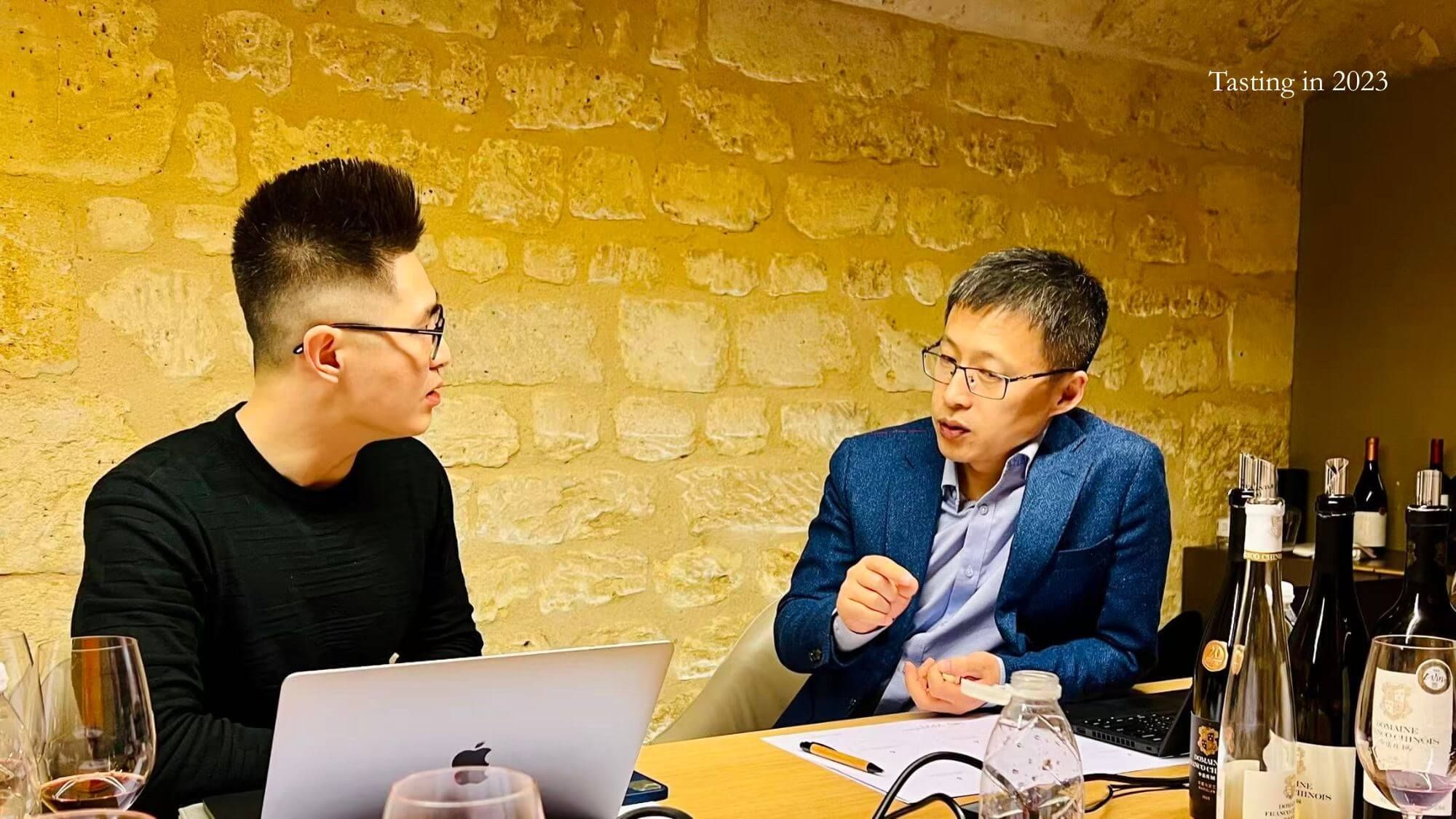
My first encounter with Chapter and Verse came much later. It was shortly after the COVID restrictions had been lifted, when the Canaan Winery team visited Bordeaux and organised a professional tasting for wine merchants, courtiers and Chinese wine professionals.
That was my first opportunity to explore Chapter and Verse in a more systematic way, and also to have an in-depth technical discussion with Mr. Zhao Desheng.
Last year, I began gradually expanding the scope of my work as a wine critic beyond Bordeaux. When Anita and Wenxin, a member of the marketing team who also happens to be a Ningxia native and my friend from Bordeaux, heard about my plans, they both said, “Then you absolutely have to come and visit us!”
Half joking, I replied with a rather serious condition: “Before I conduct a formal tasting, I usually need to visit the vineyards first, followed by a vertical tasting. Is that OK?”
“No problem at all!” they both agreed without hesitation.
It seems my former classmate and fellow Bordeaux alumna were quite happy to accommodate my somewhat demanding way of working. 😂
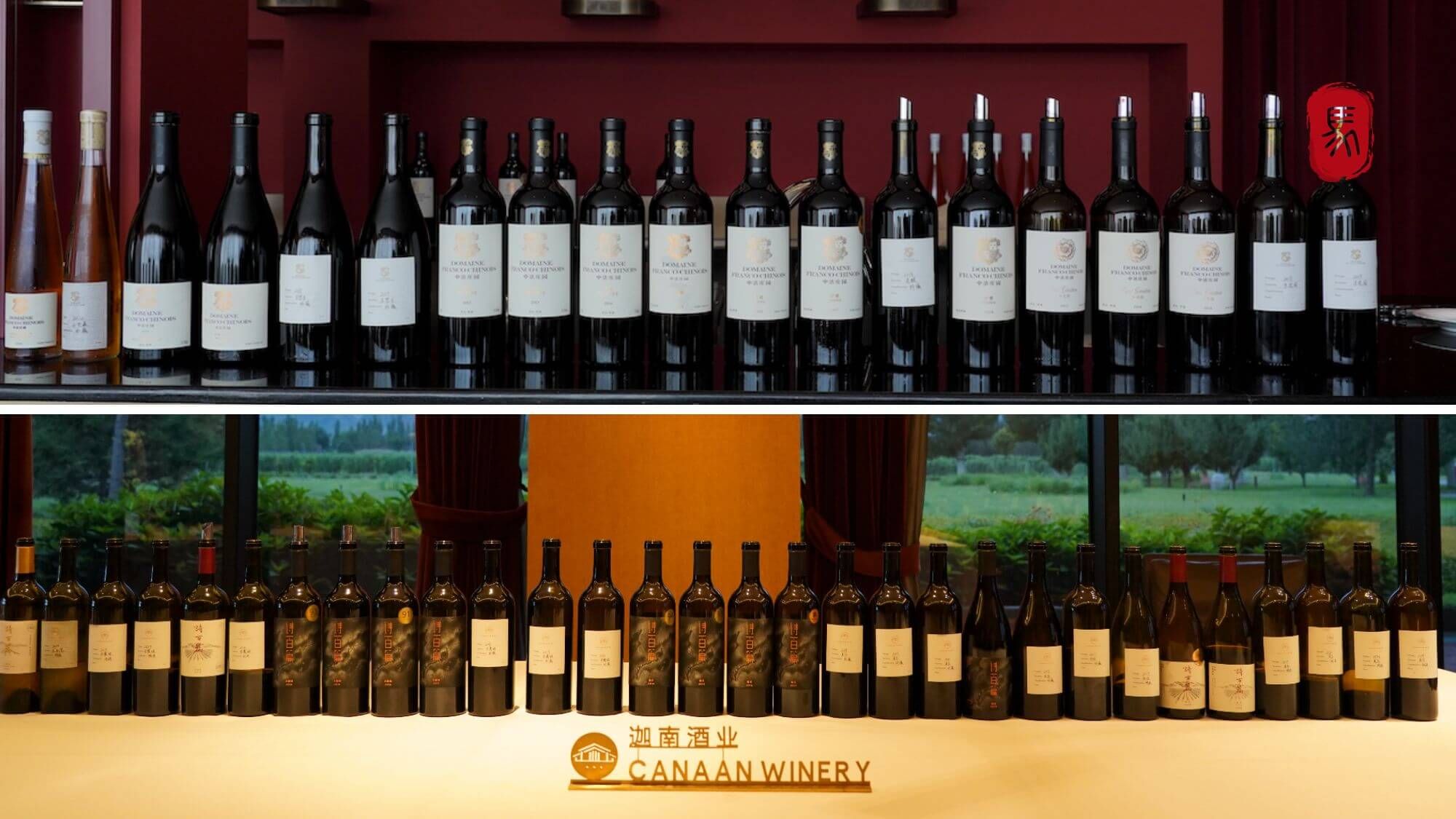
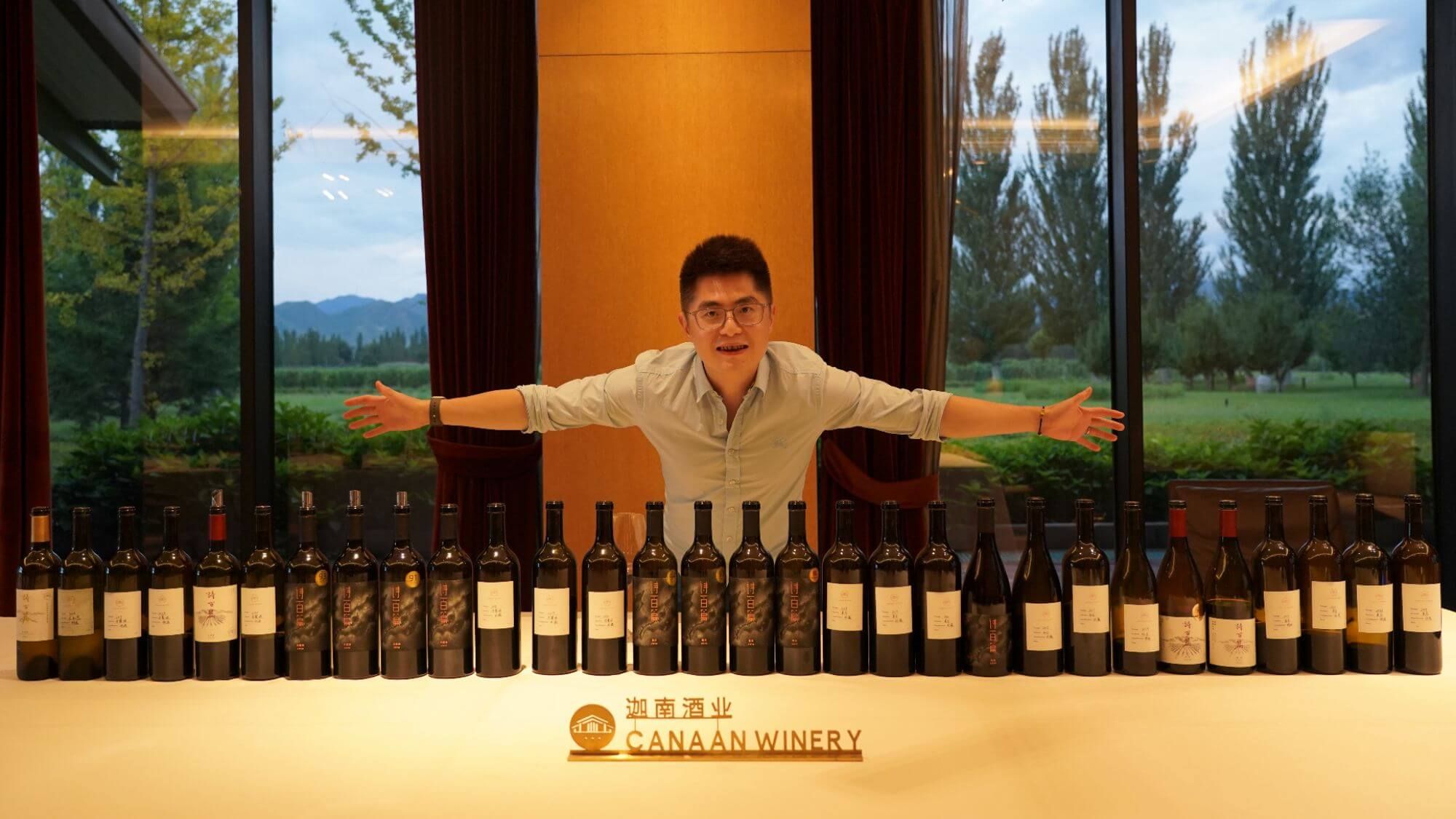
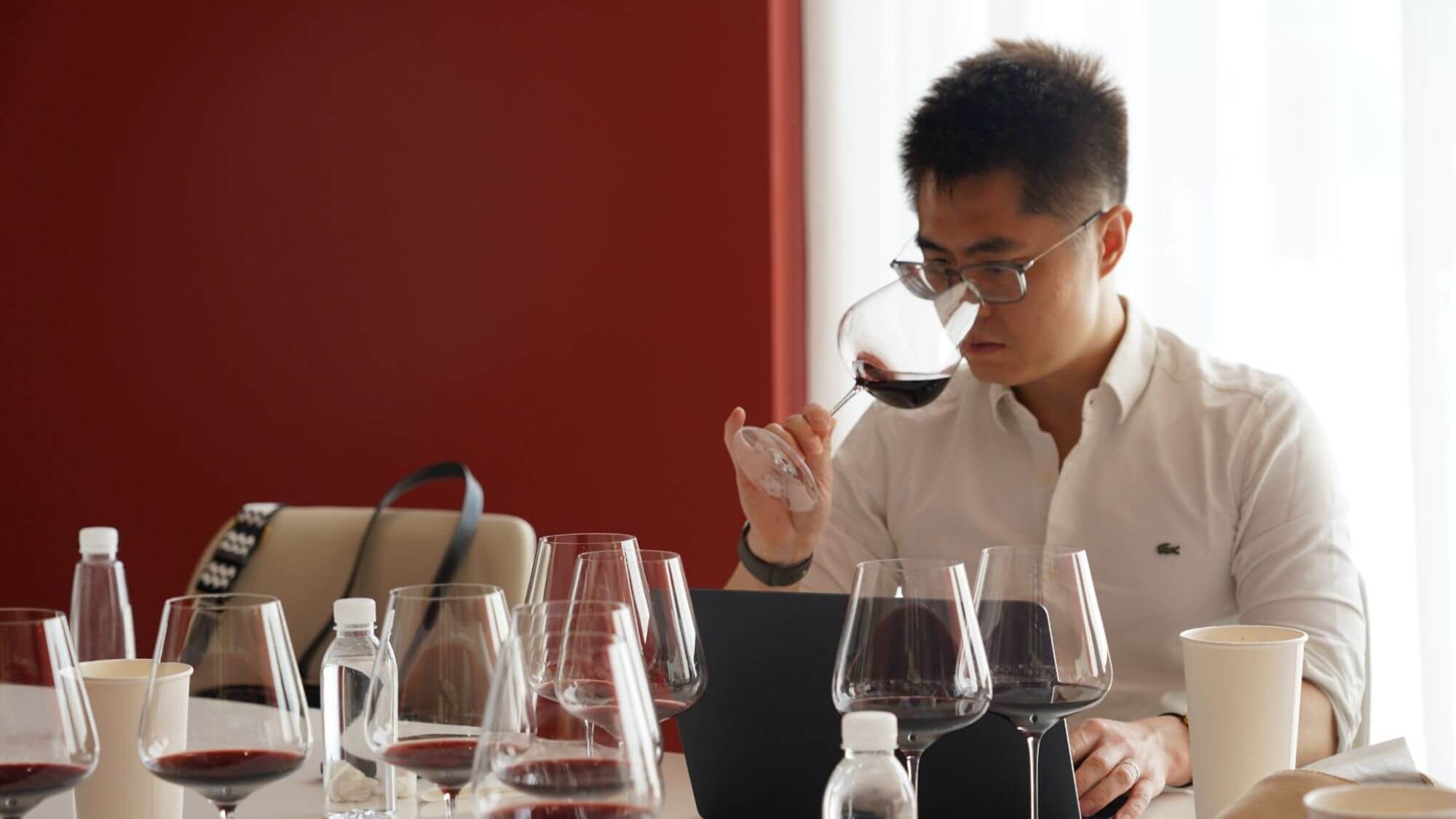
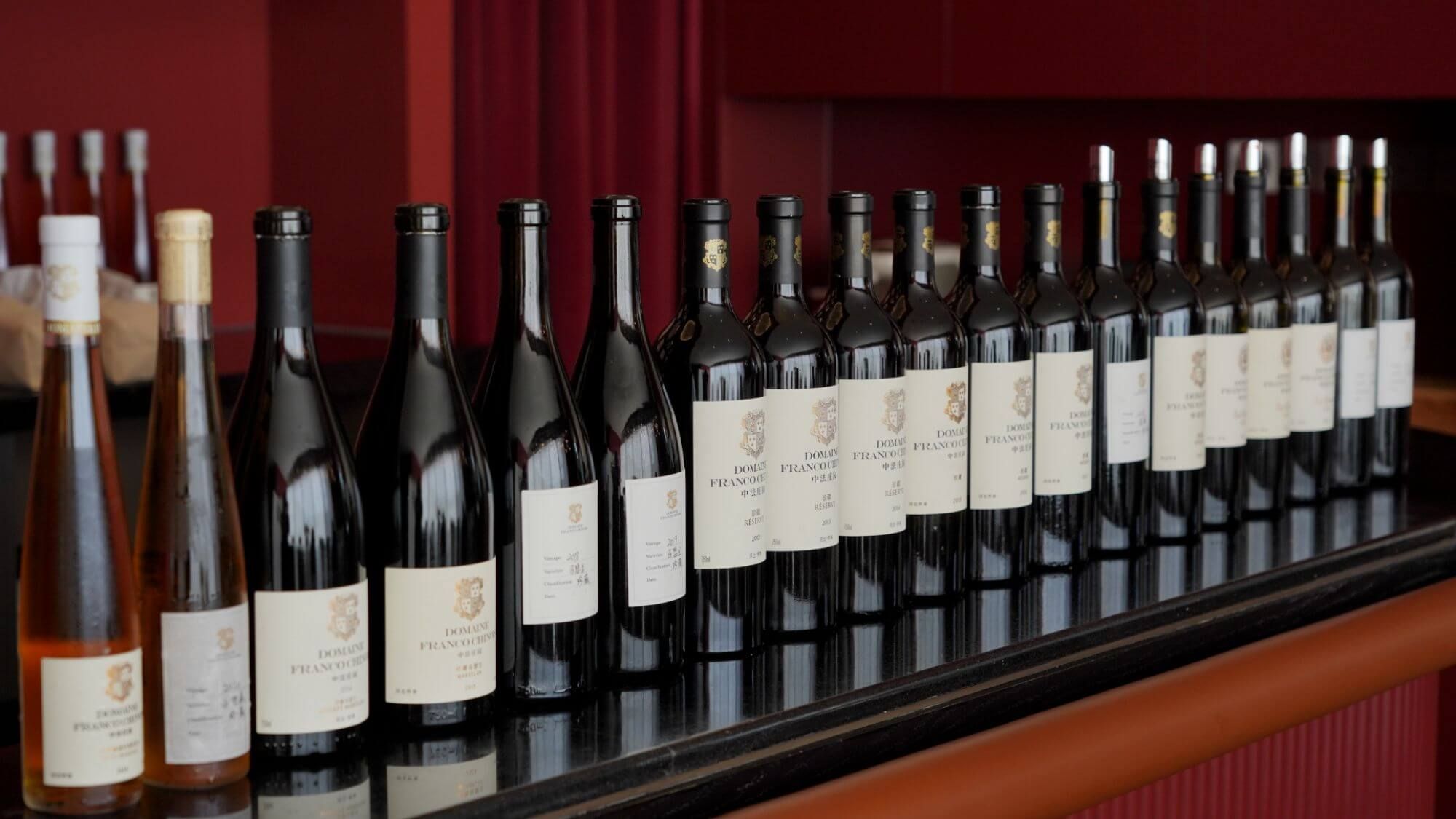
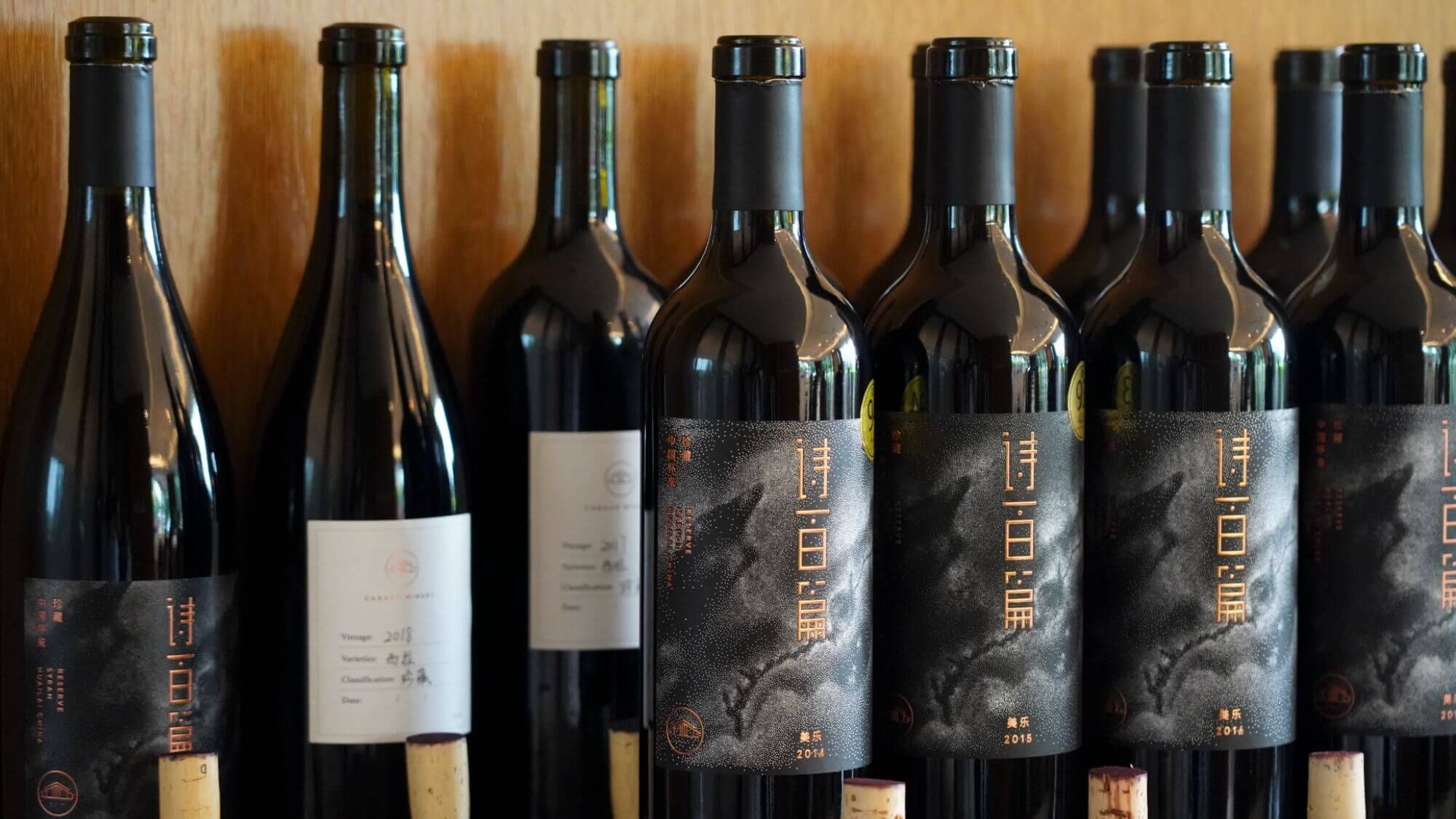
Knowing how extensive the wine ranges of both estates were, I was certain that a single day would never be enough. So when I travelled to Beijing and Tianjin in August for the “AMA Selection” events, I deliberately set aside two full days for the visit. Even though I had prepared myself mentally, the moment I walked into the tasting room and saw nearly 30 different Chapter and Verse wines lined up on the table, I felt like a mouse that had just fallen into a granary full of rice! Haha!
To be fair, there really aren’t many Chinese wineries capable of presenting more than ten vintages for a vertical tasting in one sitting.
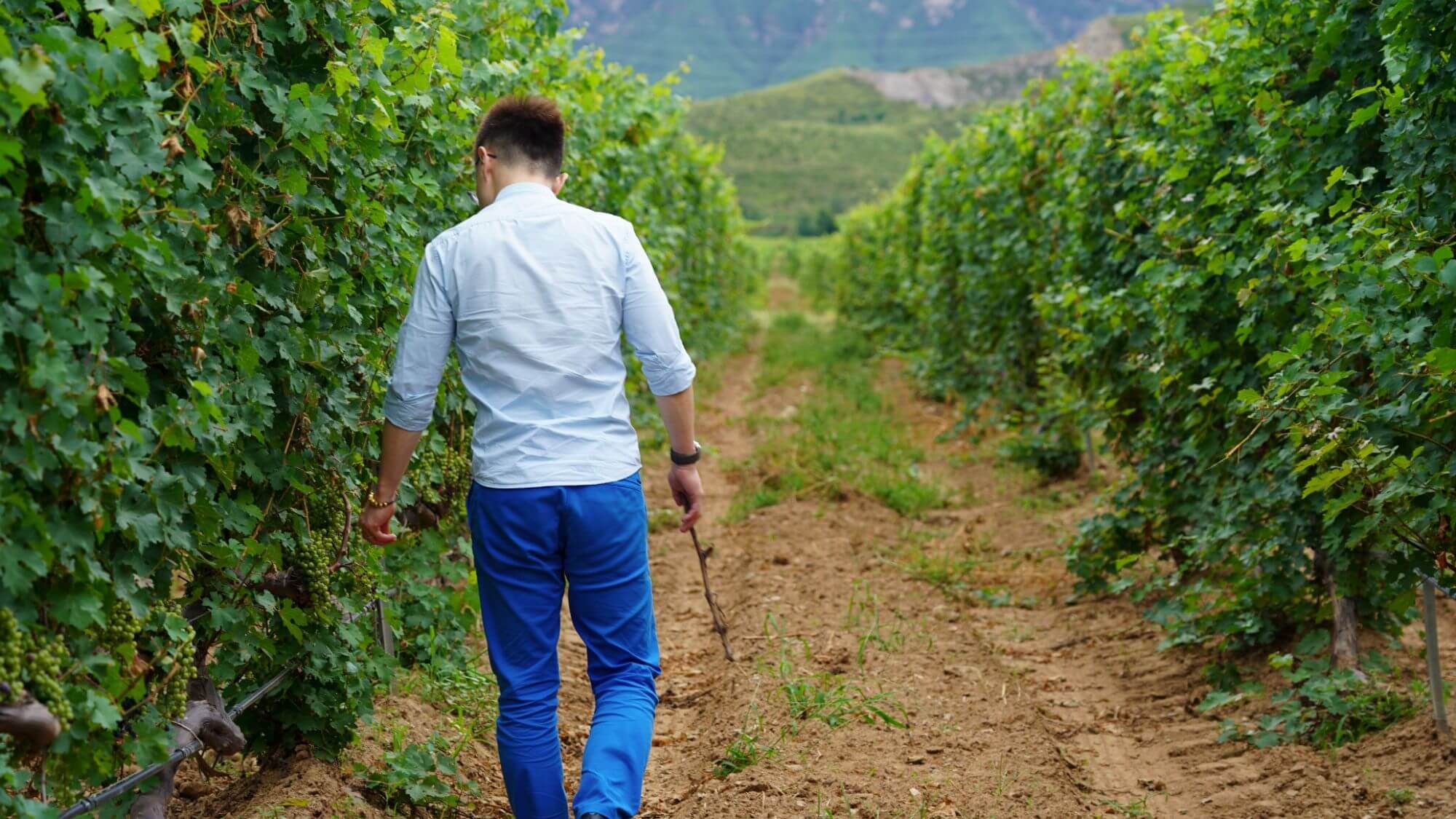
Over those two days, I revisited almost all the key vintages of Domaine Franco-Chinois and Chapter and Verse, while also exploring several of their most important vineyard sites. Even Mr. Zhao Desheng remarked that I was probably one of the very few wine critics who had ever visited the North Mountain vineyard. And some of the “mysterious forces” I had previously only been able to sense vaguely in the wines finally began to reveal their origins.
Interestingly, when I returned to Bordeaux and started organising my notes, the first things that came back to me were not which wines had tasted best, but rather the experiences I had shared with the team over those two days. They were thoughts and reflections that had little to do with wine tasting itself.
I know that those of you who follow my articles are practically old friends by now, so today, allow me to wander a little off the usual path. Before we get down to the wines, I’d like to share a few personal impressions that have little to do with tasting.
First, an unmistakable French character that seems to come from within
As everyone knows, Domaine Franco-Chinois was born with French roots, so there is nothing particularly surprising about finding a touch of French aesthetics in its wines. What fascinates me, however, is that more than twenty years have passed, the investors have changed, and the much larger Canaan Winery has emerged alongside it, but that certain “je ne sais quoi”, that distinctly French character, still seems deeply ingrained in the estate’s identity.
Today, many key members of the teams behind both estates have studied, worked or received professional training in France. Mr. Zhao Desheng, Anita and Wenxin have all lived and studied in Bordeaux. As for CEO Richard, well, despite having left France many years ago, he still speaks with an unmistakably French accent.
Sometimes I even wonder whether this terroir has some mysterious, almost fated connection with France. The more I think about it, the more intriguing the coincidence becomes.
Second, the way the entire team works together made me feel genuinely comfortable
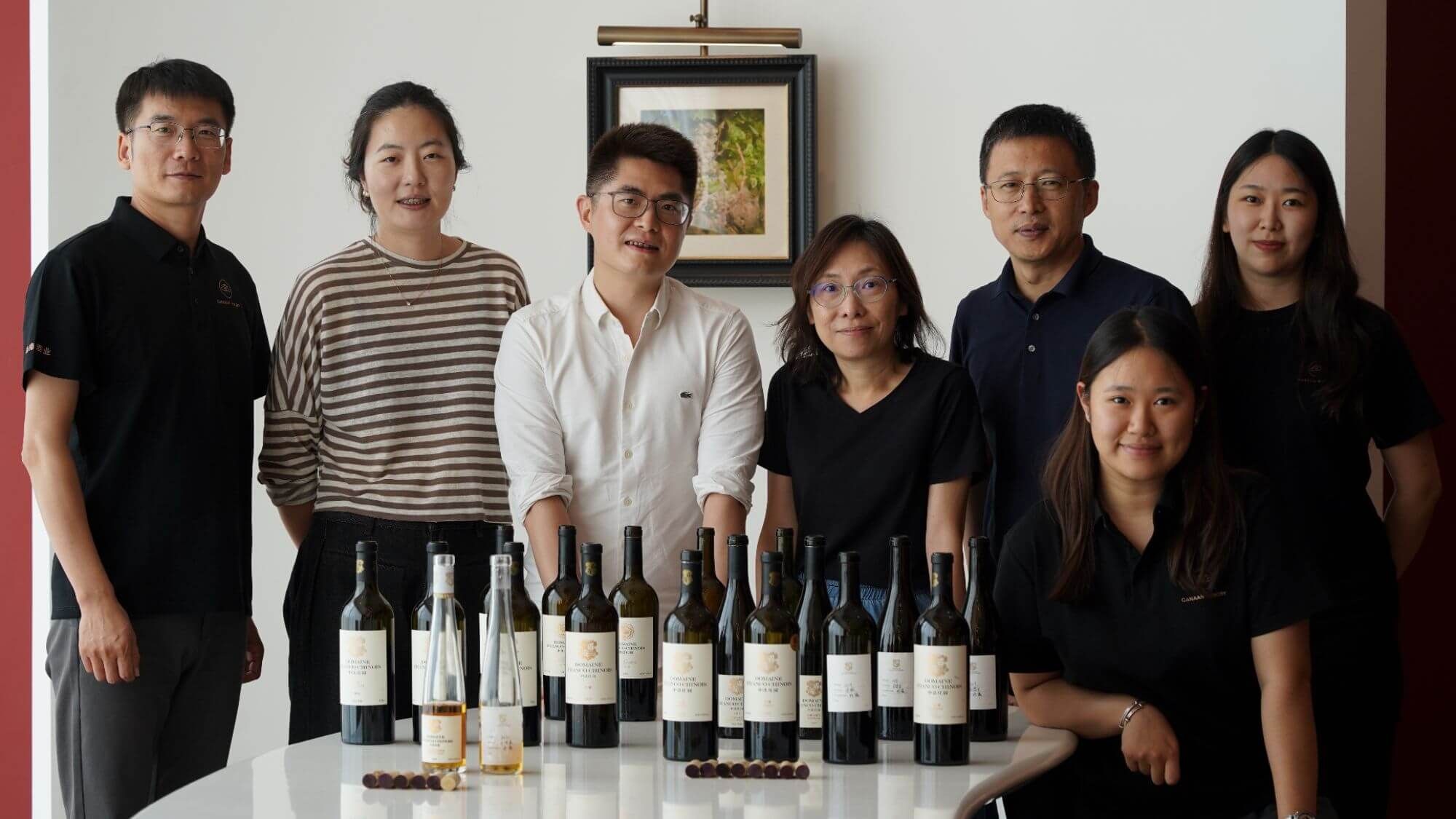
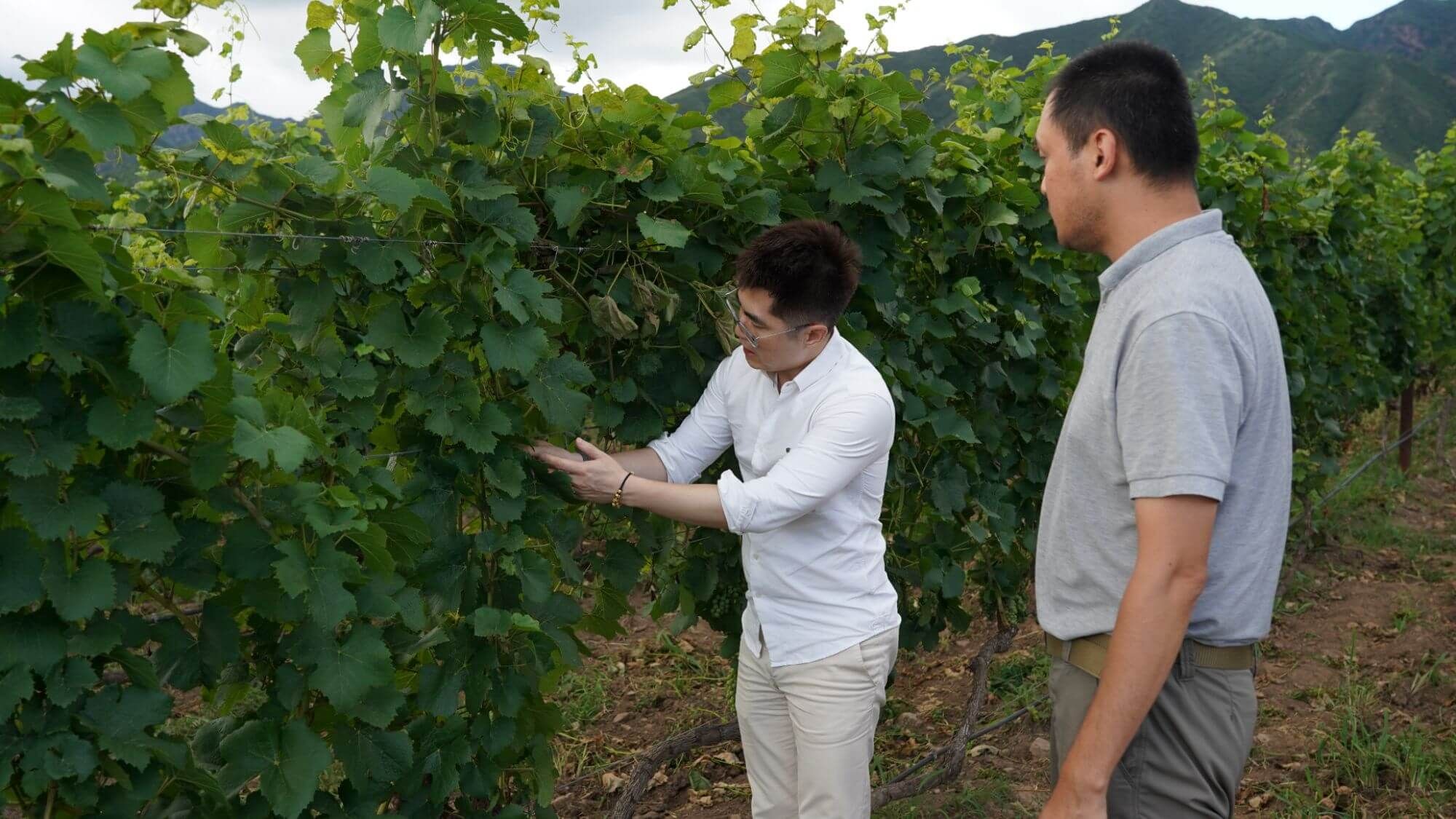
Throughout those two days, I quietly observed how colleagues from viticulture, winemaking, marketing and other departments interacted with one another. There was a warmth and genuine human connection in their everyday exchanges that left a deep impression on me.
Someone from the technical team might drop by to ask the marketing team how customers had recently responded to a particular wine. And when the marketing team was discussing packaging, someone might casually turn to the winemaking director and ask, “What do you think of this font?”
These may sound like tiny, insignificant details. But if you compare this atmosphere with the almost complete silence found in many traditional Chinese offices, you begin to appreciate just how precious such a working environment can be.
I remember something Richard said during one of our conversations: “At the end of the day, the wine business is a people business.”
After spending two days at the estates, I would like to add a few words of my own: “The wine business is also a business built on warmth and human connection.”
My third impression has to do with money
At first, I was tempted to write: “The wine industry needs someone with deep pockets to support it.”
But then I thought that might sound a little too provocative, so let me put it another way, with an analogy everyone can understand.
For an estate genuinely aspiring to produce great wines, having a financially strong backer who understands the value of long-term commitment is perhaps rather like Tchaikovsky finding his patron Nadezhda von Meck, Michelangelo finding the Medici family, or Leonardo da Vinci finding Francis I in the final years of his life.
Planting vines does not mean you will have all the answers by the first harvest three years later. Nor will a vineyard suddenly produce more grapes simply because the owner happens to want a higher yield. In a difficult vintage, selection must become even stricter. If the fruit from a particular parcel fails to meet the required standards, then it has to be sacrificed. If the technical team is pressured every year to meet production targets, even the most talented winemaker would probably end up losing his mind.
At Domaine Franco-Chinois and Canaan Winery, however, I heard something quite different. Mr. Zhao Desheng explained with confidence: “In certain difficult vintages, we have to deliberately reduce yields to safeguard the final quality. Of course, the finance department in Taiwan sometimes sends emails asking questions. But as long as we explain the technical reasoning clearly, we have never experienced any interference from senior management.”
Well, when you have a boss who provides the financial resources you need and, more importantly, places complete trust in your judgement, you really are one lucky employee.
Now that I’ve shared these impressions from beyond the tasting table, it’s time to return to the wines themselves.
Over the course of two days, I conducted vertical tastings of nearly 50 wines from Domaine Franco-Chinois and Canaan Winery. I may not necessarily be able to identify the estates in my next blind tasting, but I certainly came away with a wealth of new insights and experience. And now, I’d like to share them all with you.
Part One: Tasting Impressions
AMA SNAPSHOT of Domaine Franco-Chinois
1. American-style sweetness, French-style elegance
The grapes at Domaine Franco-Chinois consistently reach high levels of ripeness, with alcohol levels exceeding 14.5% in many vintages. Even so, the wines rarely feel heavy or excessive. On the palate, they display the generous, luscious fruit character often associated with New World wines. But when it comes to structure, oak management and the finish, a distinctly French sense of restraint and sophistication quickly comes through.
2. A classic “old money” aesthetic
Domaine Franco-Chinois is not the kind of wine that rushes to reveal everything. Many of its subtleties take a little patience to unfold.
There is plenty of power, but never a need to show off. Oak is used generously, but rarely steals the spotlight. Particularly in great vintages with rich textures, as the wine opens up, ripe fruit, sweet spices, refined toasted notes and densely woven tannins gradually come together, creating a reassuring sense of substance and warmth.
3. Oak tannins and grape tannins fit together like mortise-and-tenon joints
Many Chinese wines made from very ripe grapes and aged with substantial oak influence can suffer from a certain disconnect: the fruit takes centre stage at first, while the tannins seem to trail behind as a separate element.
At Domaine Franco-Chinois, however, the tannins from the oak and those from the grapes fit together with remarkable precision. To me, the way they interlock is reminiscent of the mortise-and-tenon joints used in traditional Chinese wooden architecture.
4. Blending is Domaine Franco-Chinois’ true trump card
After revisiting several of the estate’s single-varietal wines during this tasting, I am more convinced than ever that blending is Domaine Franco-Chinois’ greatest strength. Not only does the texture become noticeably softer and more harmonious, but the blended wines also seem to have a clear advantage in terms of nuance and complexity.
5. The three musketeer vintages: 2017, 2018 and 2019
These three vintages each have their own distinct personality, but all stand out for their consistently high quality. The 2017 vintage deserves particular attention. It is a wonderfully complete, all-round vintage, excelling in aromatic expression, texture, structure and finesse.
6. Give Domaine Franco-Chinois time to breathe after opening
With relatively high alcohol levels and a substantial proportion of new oak, the different elements can sometimes seem as though they are still getting acquainted when the wine is first poured.
During the vertical tasting, I experimented with this repeatedly and found that allowing the wine to rest quietly in the glass for just over five minutes noticeably improved its overall integration.
Serving temperature is equally important. I find 15–16°C ideal. Once the temperature approaches 18°C, the warming sensation from the higher alcohol can easily become more pronounced.
7. Petit Manseng is among China’s finest late-harvest sweet white wines
8. Domaine Franco-Chinois’ Marselan goes beyond the variety’s usual limits
Marselan’s greatest strength lies in its immediate appeal: deep colour, sweet fruit and relatively modest tannins make it exceptionally approachable on the palate.
However, judged against my personal standards for a truly great grape variety, particularly when compared with complex varieties such as Cabernet Sauvignon and Syrah, I still believe Marselan has some considerable ground to cover.
And yet, Domaine Franco-Chinois manages to preserve everything that makes Marselan attractive while adding a level of structure and density that the variety does not normally possess. I have shared this wine with wine professionals in France on two occasions, and even seasoned experts were genuinely surprised.
(That said, I remain cautious about the long-term potential of this grape variety, so I will keep my tasting notes to myself for the time being.)
AMA SNAPSHOT of Canaan Winery-Chapter and Verse range
1. Elegance is the defining thread of Chapter and Verse
2. Very few unpleasant green or underripe notes
Vintage conditions vary enormously in Huailai, and Cabernet Sauvignon is notoriously late-ripening. In cooler years, it can be particularly difficult to avoid green pepper and grassy aromas altogether.
However, throughout this vertical tasting, I encountered almost no pronounced green or underripe notes that significantly compromised the overall quality of the wines.
3. The drier the vintage, the more cohesive the wine’s texture
This characteristic was particularly evident in the 2019 vintage.
4. In certain vintages, a little blending might actually be beneficial
Single-varietal wines are one of Chapter and Verse’s most distinctive features. But in challenging vintages, an excessive pursuit of varietal purity may not always bring out the sense of harmony that the estate seeks to express.
This is especially apparent in the tannin texture, where a few slightly angular edges can sometimes emerge towards the finish.
5. Chapter and Verse Reserve Syrah was a wonderful surprise
Having studied wine in the Northern Rhône, I have always had something of a soft spot for Syrah.
After tasting Syrah from both of Chapter and Verse’s quality tiers, I came away thoroughly impressed. The acidity is bright, the fruit expression pure, and the spicy notes of black pepper and liquorice are beautifully defined. Violet aromas, meanwhile, are an ever-present feature.
I would strongly encourage everyone to pay particular attention to the 2022 Chapter and Verse Mastery Syrah, as well as the Reserve Syrah, which is already available on the market.
Part Two: A Complex Shared History
What exactly is the relationship between Domaine Franco-Chinois, Canaan Winery and Chapter and Verse (诗百篇She Bai Pian)?
When the names Domaine Franco-Chinois, Canaan Winery and Chapter and Verse come up together, it’s not just consumers who get confused. Even people in the wine trade sometimes struggle to make sense of the connections.
Two questions I hear particularly often are:
“Why are Canaan Winery’s wines called Chapter and Verse?
And why does Domaine Franco-Chinois share a technical team with them?”
It wasn’t until I visited the estates this time that I finally managed to understand the whole story together.
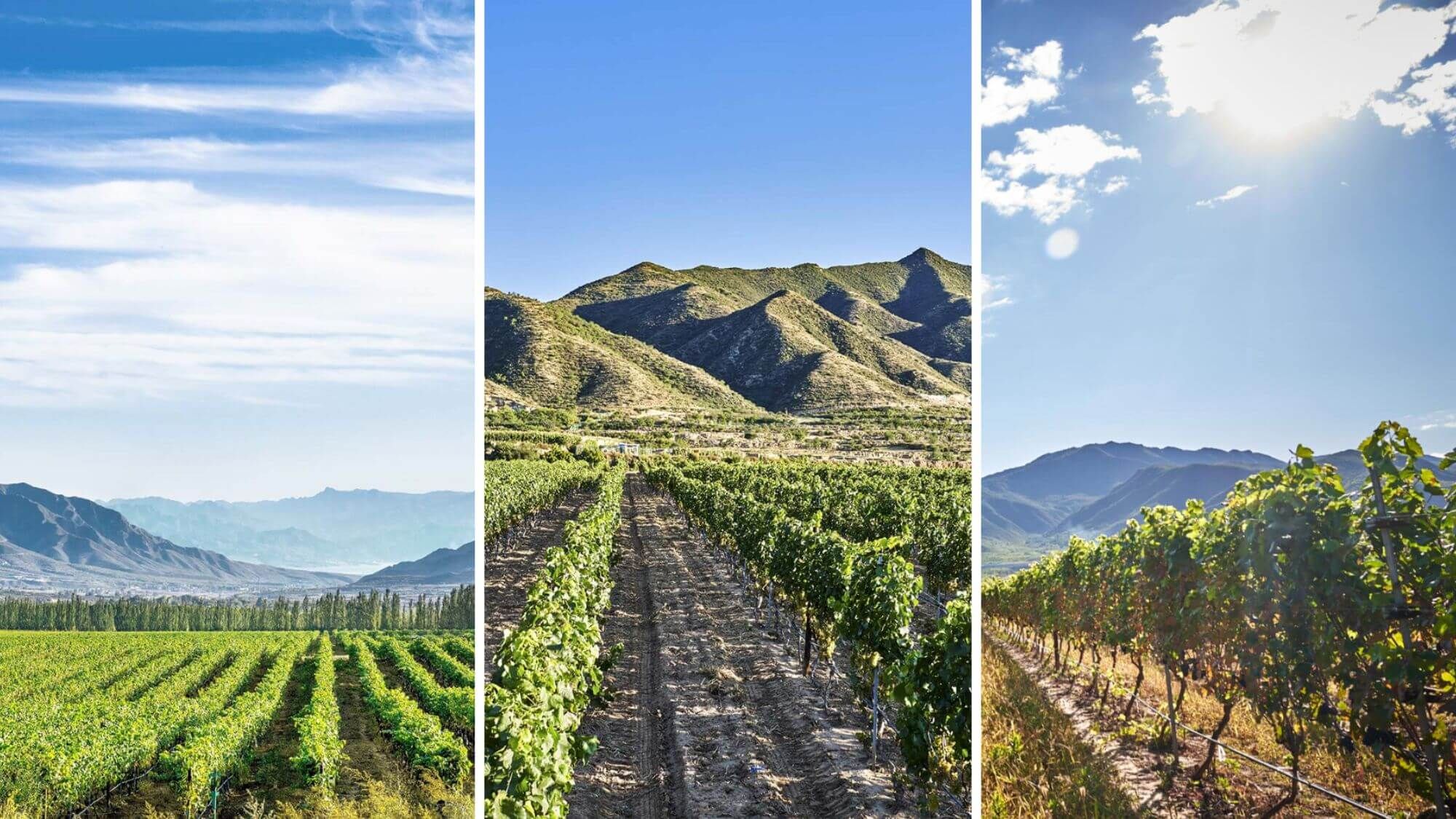
-The first story begins in 1997
In 1997, French President Jacques Chirac paid an official visit to China. At the time, France and China were working to develop a series of partnerships in agriculture and food production, with viticulture and winemaking identified as one of the key areas of cooperation.
After several rounds of discussions, the two sides agreed on a straightforward arrangement: China would provide the land, while France would supply vine nursery stock, expertise in viticulture and winemaking, equipment, and technical training. It seemed like a perfect match.
Once the agreement was taking shape, however, a very practical question arose: where exactly should the vines be planted?
The French team of experts travelled across several regions, including Shandong, Ningxia and Hebei. After multiple rounds of evaluation, Huailai gradually emerged as the preferred location.
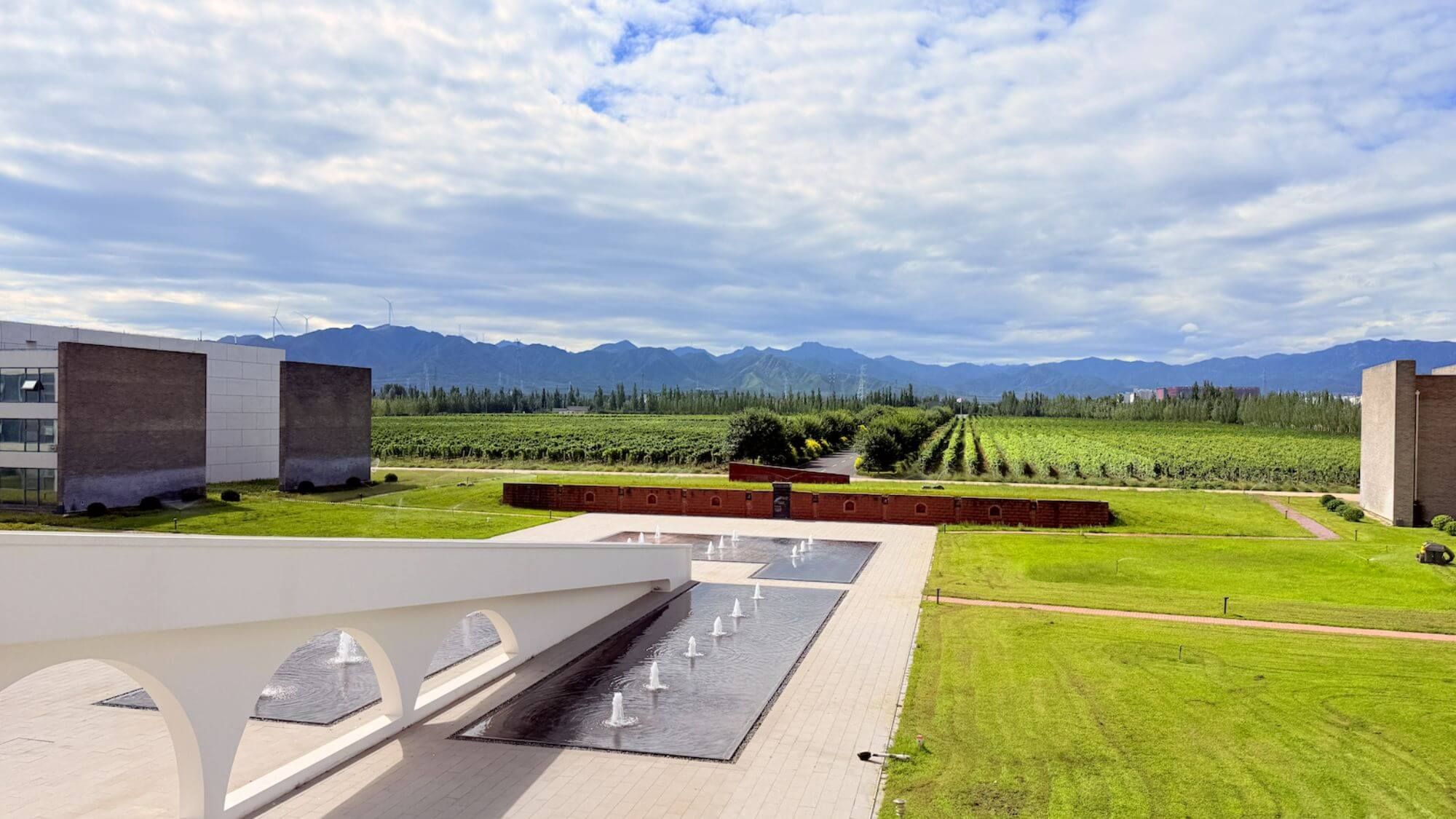
-1999, the Sino-French Demonstration Farm for Viticulture and Winemaking
In 1999, the agriculture ministers of France and China formally signed an agreement in Paris to establish the “Sino-French Demonstration Farm for Viticulture and Winemaking.”
Yes, you read that correctly. Back then, it really was called a “farm”, not a “winery”.
Why a “demonstration farm”?
At the time, nobody knew for certain which French grape varieties would perform best in Huailai. Could Cabernet Sauvignon reach full ripeness? Would Merlot adapt to the local conditions? What about white grape varieties?
There were plenty of questions, but no ready-made answers.
So what could they do? The simplest, and perhaps most reliable, solution was to plant a little of everything and see how the vines performed.
Come to think of it, wasn’t this “demonstration farm” essentially doing all the trial and error on behalf of the surrounding growers? 😂 If the experiment succeeded, everyone would have a model to follow. If it failed, at least future generations would know which pitfalls to avoid.
And so, once the project was established, France brought over an impressive collection of 16 grape varieties and 21 different clones. These included familiar names such as Cabernet Sauvignon and Merlot, but also Marselan, a variety that even the French themselves did not think particularly highly of at the time. And, of course, there was Petit Manseng, which has since become one of Domaine Franco-Chinois’ signature varieties.
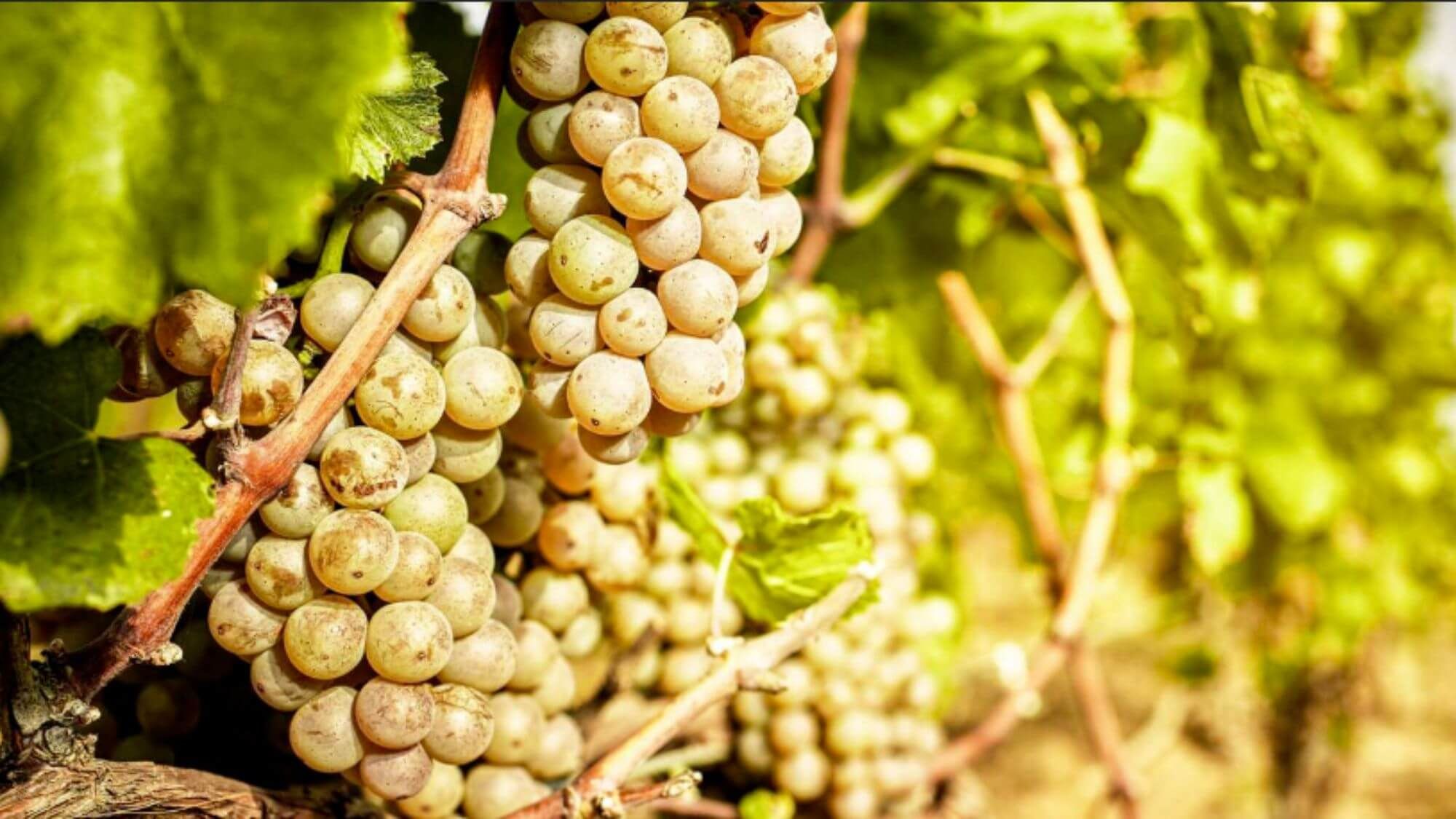
-2006, Enter the second storyline
Meanwhile, another group of people was travelling across China in search of suitable land.
Around 2006, the investment team behind Canaan Winery began planning a wine project in China. Their approach was quite different from that of the earlier Sino-French initiative.
The investors brought together technical experts from several countries, including the United States and Australia. Rather than starting with vineyard trials, they first studied China’s long-term climate records, then travelled from region to region to conduct field surveys and collect soil samples.
According to Anita, before making their final decision, the team visited 11 provinces, travelled more than 17,000 kilometres and analysed over 400 soil samples.
And after all that travelling and research, guess where they finally decided to settle?
Huailai. Again!
What a remarkable coincidence!
When I heard this story, I couldn’t help laughing as I stood in the vineyard. “So, did all these groups of experts secretly agree on the answer beforehand? Or is this simply a case of great minds thinking alike?”
In 2009, Canaan Winery planted its first vines and began building its winery in the same year. (Its first wine in the true sense of the word, however, would not appear until 2014.)
-2010: The two stories finally converge
Just one year after Canaan Winery began planting its vineyards, Domaine Franco-Chinois reached a crucial turning point of its own.
Following a selection process, Canaan Investment Group was eventually chosen to invest in and acquire Domaine Franco-Chinois in 2010.
As Anita and Mr. Zhao Desheng later joked, “Desheng, who was practically struggling to put food on the table, could finally start enjoying the good life.”
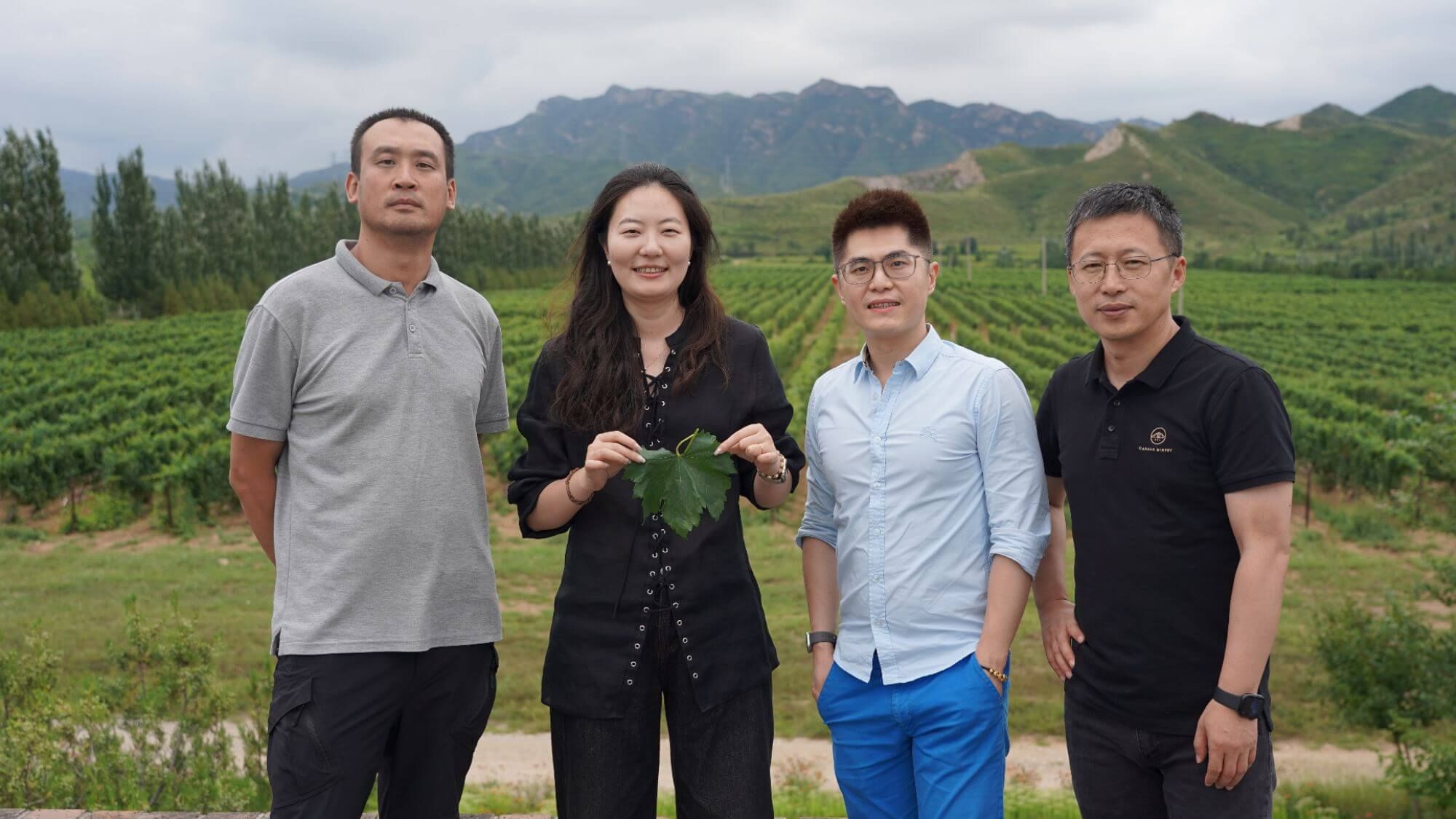
But don’t assume the two estates merged into one!!
This was something I only fully understood after visiting them in person.
To this day, Domaine Franco-Chinois and Canaan Winery maintain independent brands and separate finances. In principle, each estate also sources its grapes from its own vineyards.
But that brings us to another question.
If the winery is called Canaan Winery, why do we hardly ever see wines labelled “Canaan” on the market? Why are they all called “Chapter and Verse”?
In fact, Canaan Winery had already produced its own wines as early as 2014. But between 2014 and 2019, the team was still conducting extensive internal research into its vineyards, grape varieties and winemaking techniques, while also working out how to define and implement the different quality tiers: Select, Mastery and Reserve.
As a result, the question of which brand name the wines would eventually carry remained unresolved for quite some time.
Around 2019, Richard joined the team as CEO. It was only then that the investors and management gradually established “Chapter and Verse” as Canaan Winery’s principal wine brand for the market.
Today, the definition on Canaan Winery’s official website is perfectly clear: Chapter and Verse is the name of the wine brand belonging to Canaan Winery.
Looking back at the whole story, I would say that Chapter and Verse is rather like Canaan Winery’s own child, raised from birth, while Domaine Franco-Chinois is more like an adopted elder sister, with a longer history and a little more seniority.
There we go! Everyone clear now?
I think I’ve earned myself a big red flower for explaining all that!
Part Three: Terroir
-Why Huailai, of all places?
Think about it. The French experts who came to China all those years ago, followed by the American and Australian technical teams, used completely different approaches to selecting their vineyard sites. And yet, both groups eventually arrived at exactly the same answer: Huailai!
Two independent teams, both drawn to the same place. What could possibly explain such a remarkable coincidence?
Well, the answer lies in the vineyards themselves.
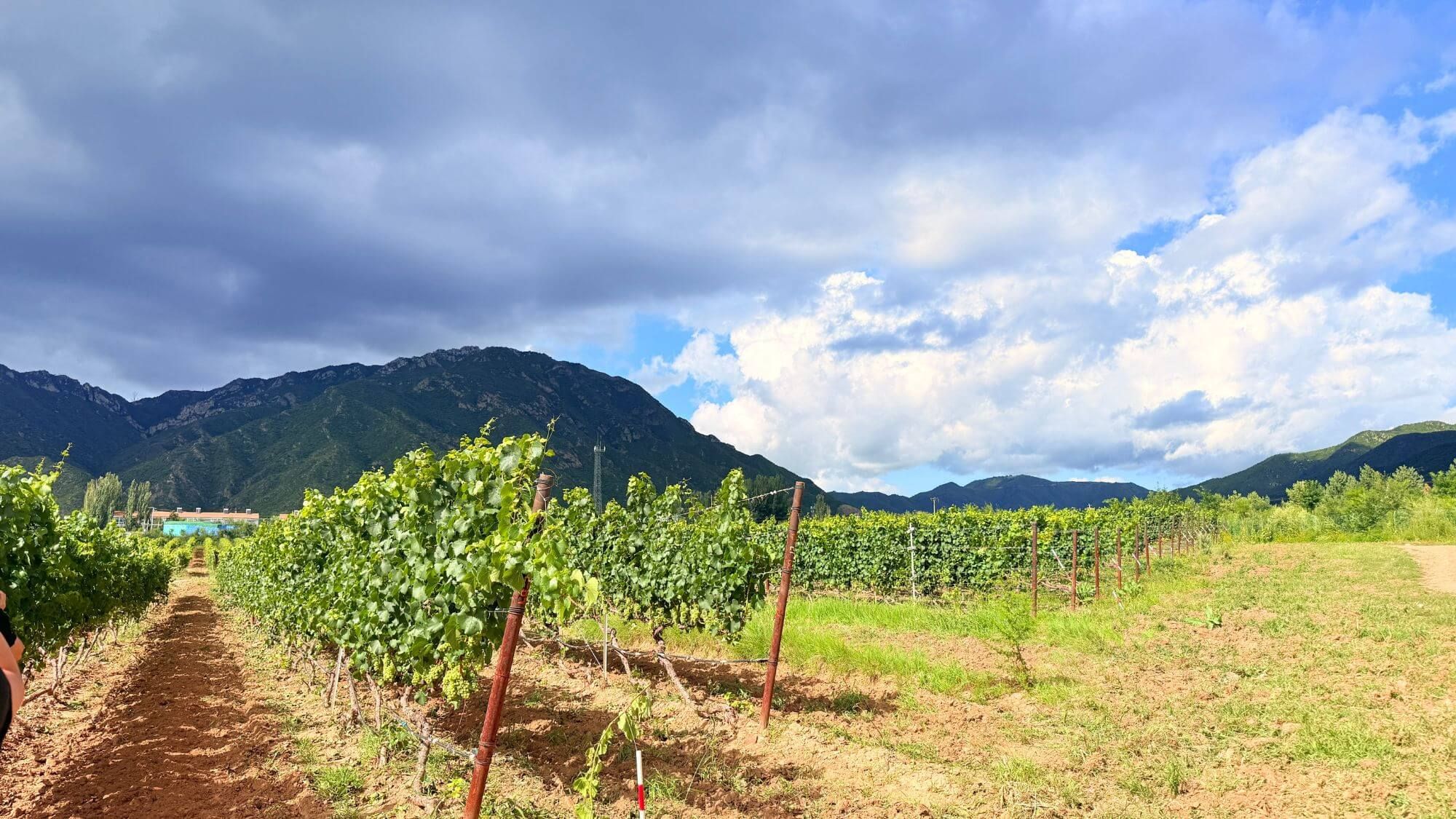
I had read quite a few reports about the Huailai wine region before my visit. The descriptions were always more or less the same: located around the 40th parallel north, with a temperate, semi-arid continental monsoon climate, abundant sunshine, relatively low rainfall and significant differences between day and night temperatures.
But once I actually visited the region, I realised that these rather dry, textbook descriptions barely scratched the surface of what makes Huailai so special.
Take the weather during my visit, for example. Beijing was experiencing exceptionally heavy rainfall. Anita told me that while driving to the winery, parts of the motorway had even been closed because of flooding. Yet as soon as she crossed Badaling, the torrential rain simply disappeared. By the time she reached the area around the Guanting Reservoir, the ground was still dry in many places. It had barely rained at all.
That experience gave me a much more tangible understanding of the local topography.
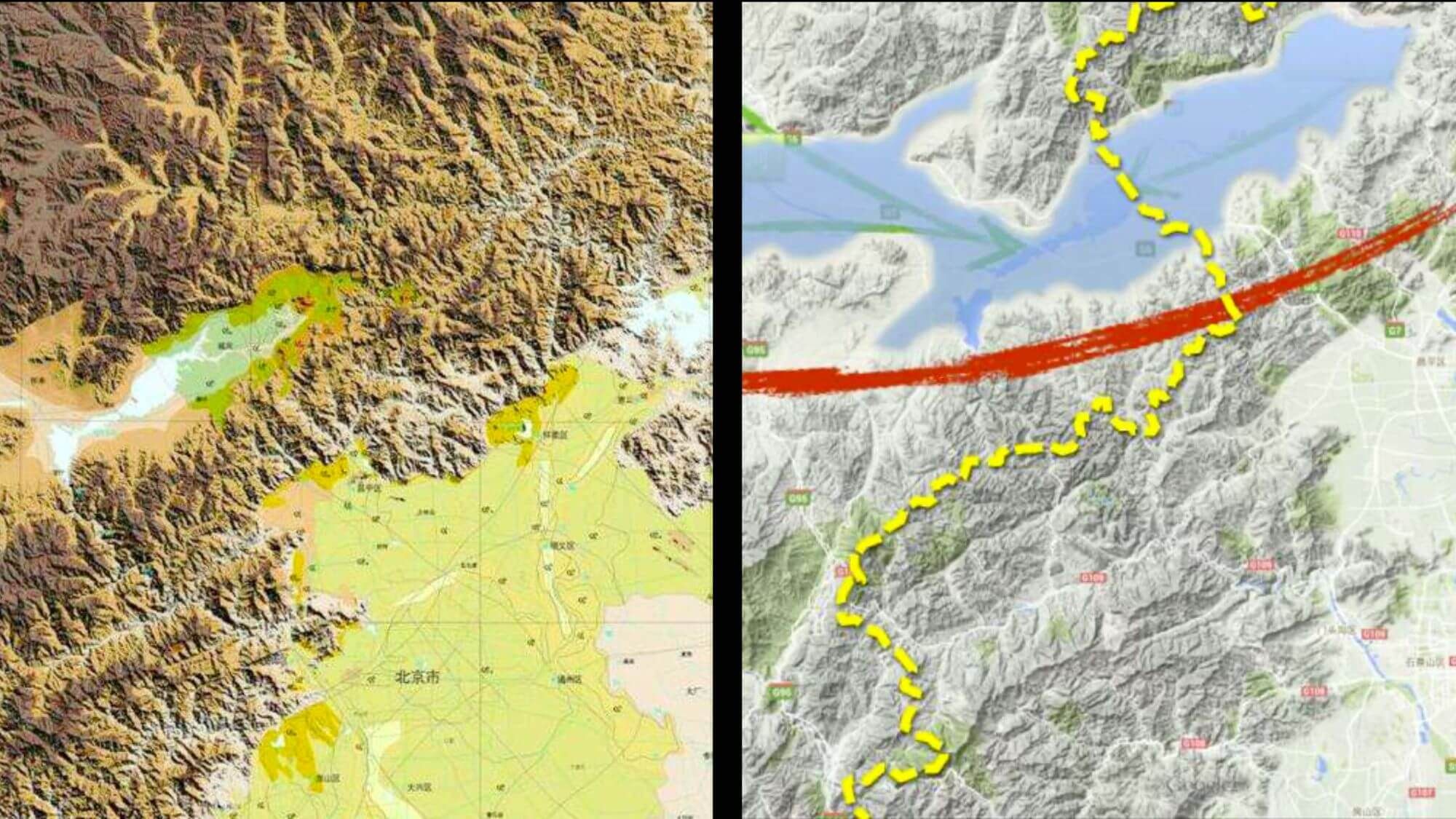
Key factor one: A Lake Nestled Between Two Mountain Ranges
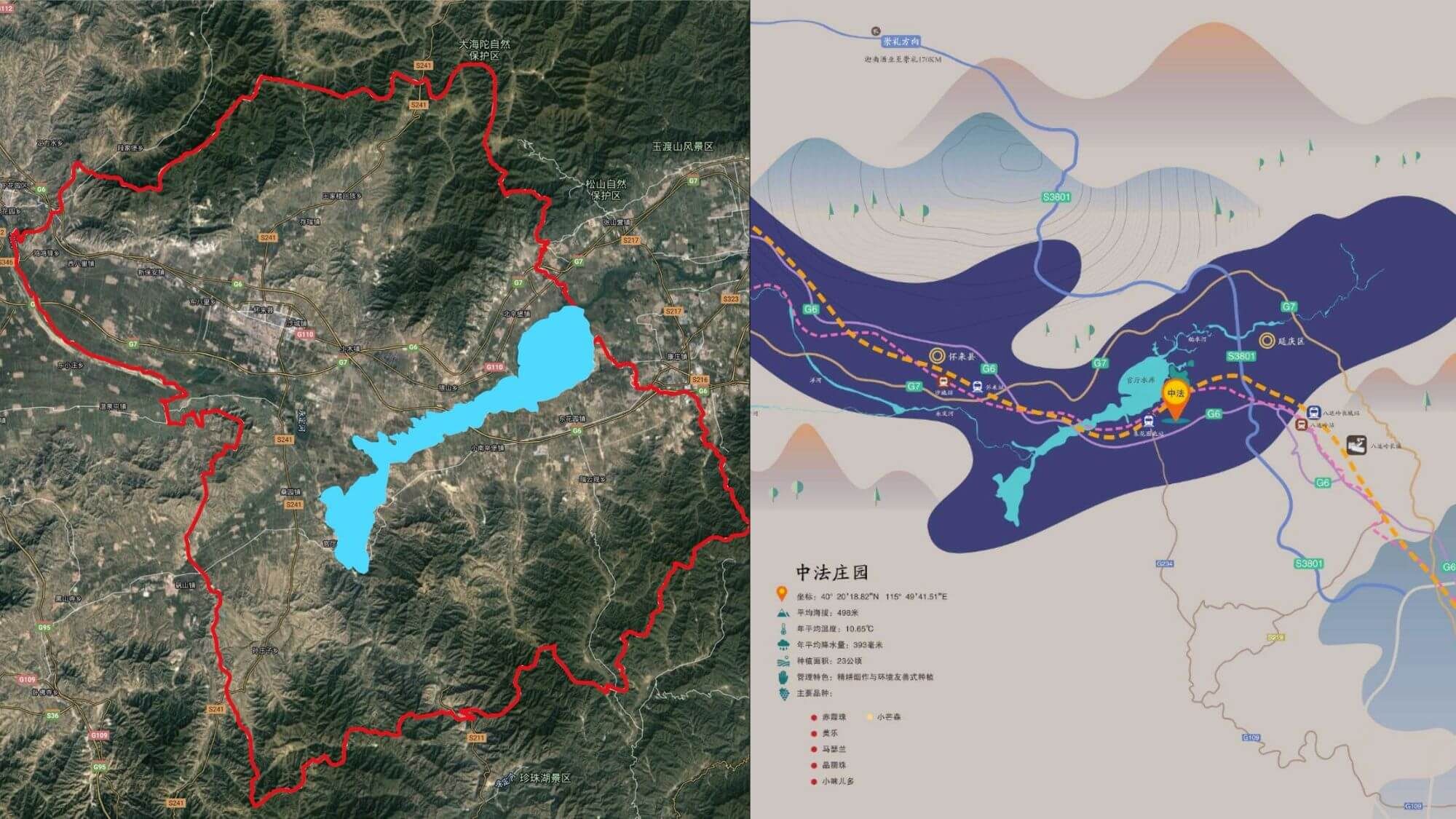
The geography of Huailai can be summed up quite simply as “two mountain ranges surrounding a lake”.
To the north lie the Yan Mountains, while to the south are the Jundu Mountains and the foothills of the Taihang Mountains. Between them stretches the vast Guanting Reservoir.
The surrounding mountains, the enormous body of water and the strong winds sweeping through the valley all interact to create the region’s distinctive microclimate.
The Guanting Reservoir acts rather like a natural temperature regulator. In summer, the water absorbs heat, helping to moderate extreme temperatures and preventing the grapes from accumulating sugar too rapidly whenever a heatwave arrives. Later in the ripening season, this vast body of water also helps soften sudden drops in temperature between day and night, allowing late-ripening varieties such as Cabernet Sauvignon to extend their growing season.
Key factor two: Wind
Another essential factor is the wind.
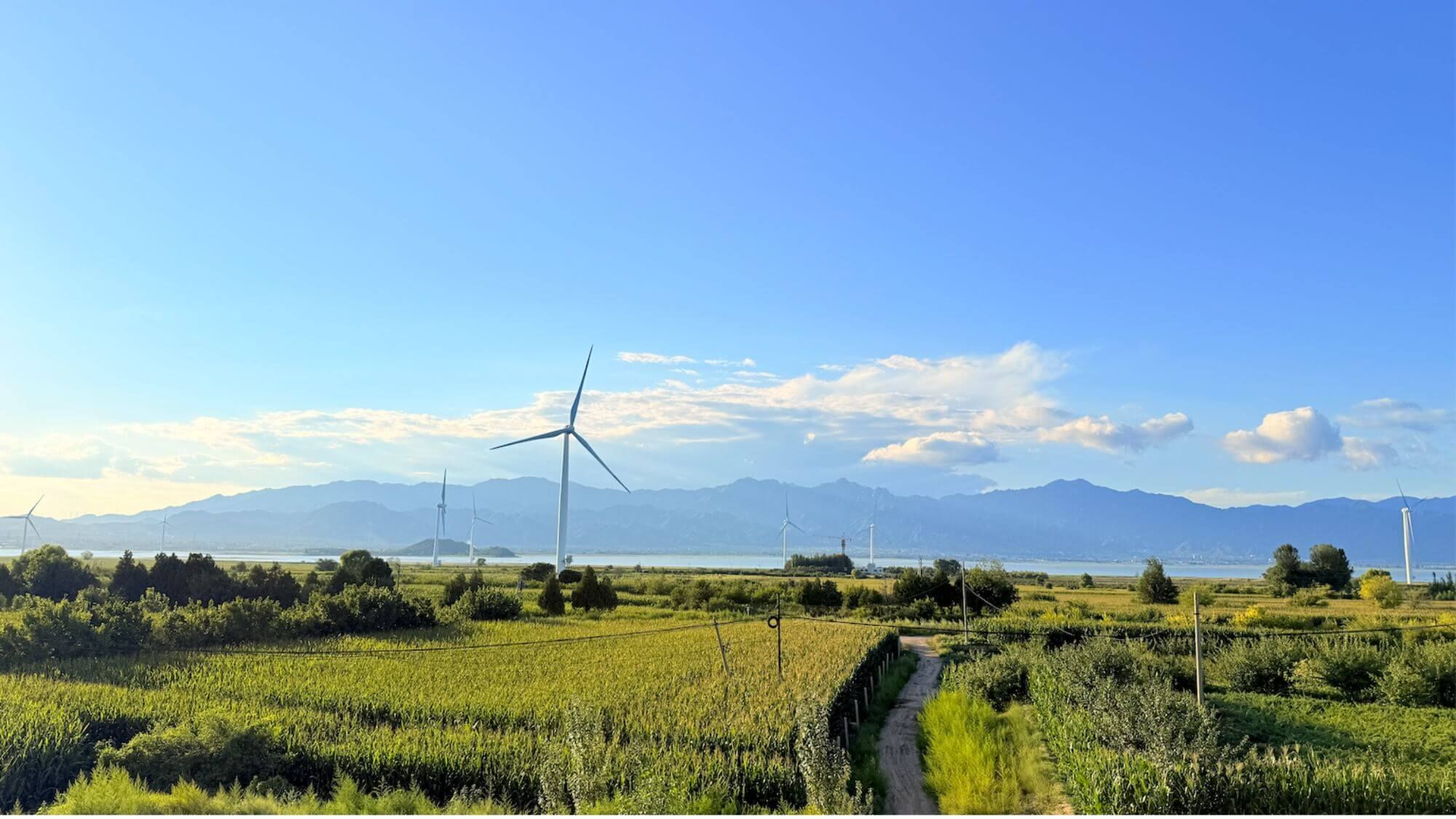
When you arrive at the Guanting Reservoir, you’ll see rows upon rows of wind turbines. The locals even joked with me, “We only get wind twice a year here. Each time, it lasts six months!” 😂😂😂
When I was taking the high-speed train from Donghuayuan Station, people kept reminding me to hold on tightly to my luggage. Otherwise, one careless moment and the wind might send it flying right off the platform!
These persistent winds influence vine transpiration and the pace of ripening. After rainfall, they also help dry the leaves and grape clusters quickly, further reducing the risk of disease.
Key factor three: The timing of rainfall
Speaking of rainfall, I came away with another interesting observation.
Huailai receives around 400 mm of rain annually, which may sound rather dry. But 400 mm of rainfall here means something quite different from 400 mm in many European wine regions.
That’s because a large proportion of Huailai’s rainfall is concentrated in summer, precisely when the vines are undergoing their main growing season.
This explains why Mr. Zhao Desheng repeatedly emphasised that, in Huailai, looking only at the annual rainfall total tells you very little. What matters far more is “WHEN” that rain actually falls.
Key factor four: Diurnal temperature variation
The final factor is the difference between daytime and nighttime temperatures.
During the day, abundant sunshine allows the grapes to continue accumulating sugars and phenolic compounds. At night, temperatures fall, helping to slow the loss of acidity.
To me, it is the particular combination of these four climatic factors, constantly interacting with and balancing one another, that makes Huailai such a fascinating region to study.
It also helps explain why Domaine Franco-Chinois and Chapter and Verse can achieve such high levels of ripeness while still retaining impressive acidity in their wines.
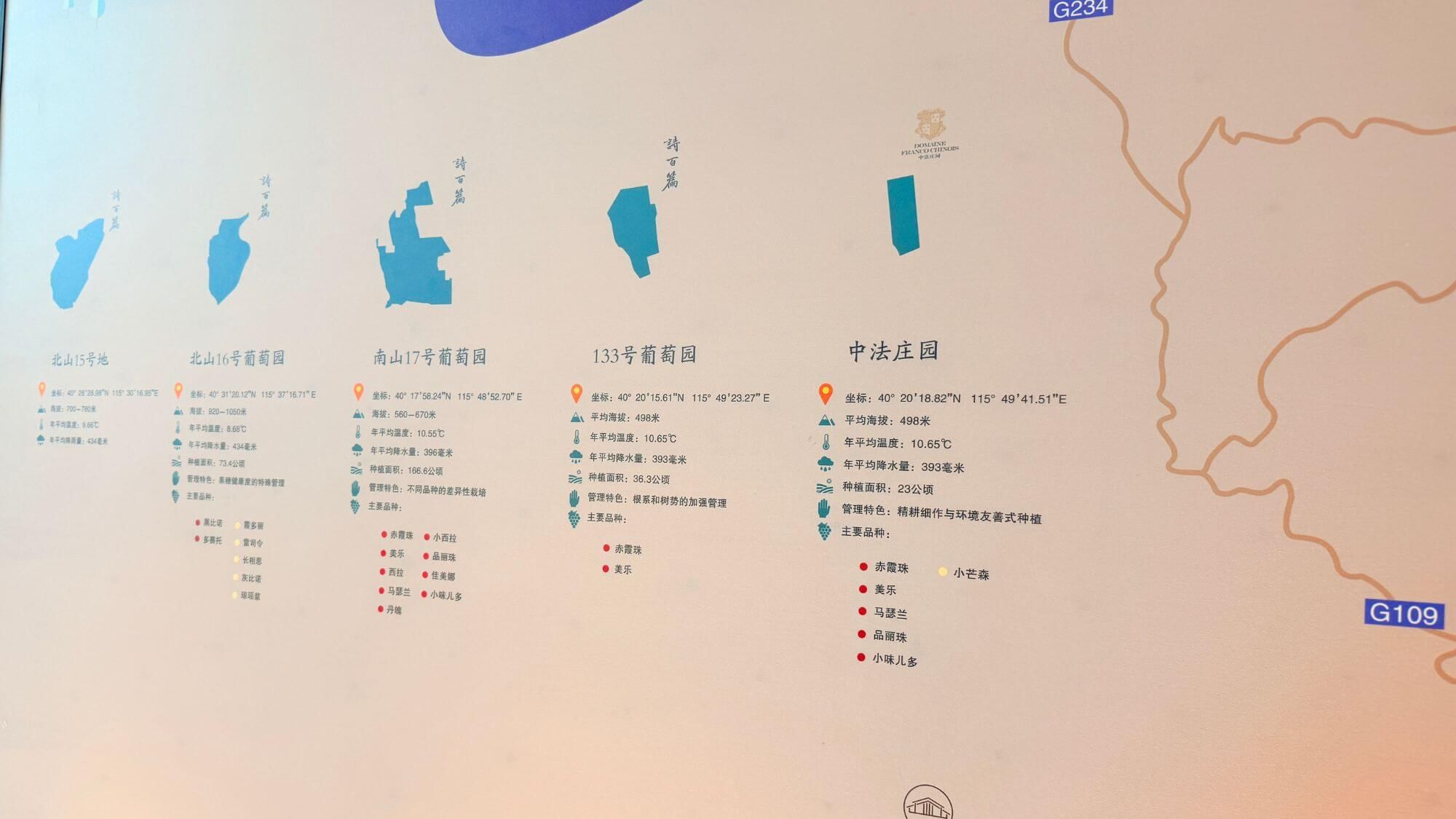
Next, I’m going to use four vineyard maps to help you explore the terroir of Domaine Franco-Chinois and Chapter and Verse in detail.
Consider this your very own “AMA Virtual Vineyard Tour”! 😝
<Domaine Franco-Chinois>
Let’s begin with Domaine Franco-Chinois.
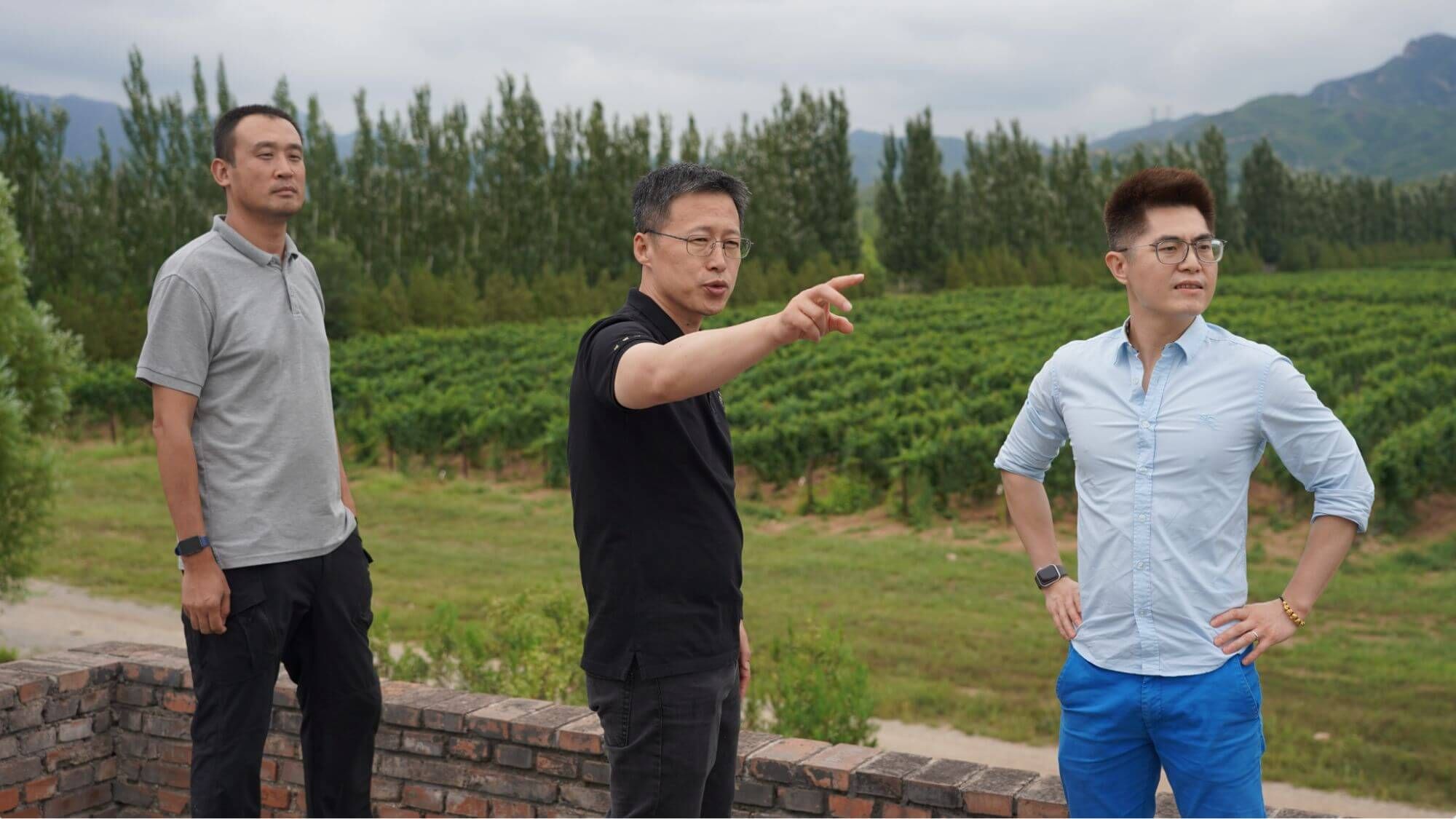
Its vineyards are relatively concentrated, all located on the northern side of the southern mountains, covering approximately 23 hectares at an altitude of nearly 500 metres.
The terrain is generally gentle, and the soils are predominantly alluvial sandy loam formed by ancient river channels.
The upper layers contain a certain proportion of fine soil particles, but the deeper you go, the greater the concentration of gravel. In some places, stones can account for as much as 50–75% of the deeper soil layers.
This soil structure allows the upper layers to provide sufficient moisture and nutrients while the young vines are establishing their vigour. As the roots grow deeper, however, they soon encounter highly free-draining layers of sand and gravel.
Water and nutrients are still available, but never in such abundance that the vines can grow unchecked.
I suspect that this carefully balanced level of water stress may be one of the important reasons why Domaine Franco-Chinois can achieve such high levels of grape ripeness while maintaining excellent concentration in its wines.
<Canaan Winery-Chapter and Verse>
Chapter and Verse takes an entirely different approach.
Its vineyards extend across both the northern and southern shores of the Guanting Reservoir, with elevations ranging from around 500 metres to more than 1,000 metres.
——
The South Mountain Vineyard No. 17
is an absolute giant, covering an impressive 79.8 hectares.
This site is particularly well suited to red grape varieties that require greater warmth to ripen. Cabernet Sauvignon, Merlot, Syrah, Tempranillo and Carménère can all find favourable growing conditions here.
Syrah, in particular, left a lasting impression on me during this visit. The black fruit reaches excellent ripeness, while the acidity and peppery aromas remain beautifully defined.
North Mountain Vineyard No. 16
presents an entirely different picture.
At elevations of 900–1,050 metres, the cooler conditions significantly slow the pace of ripening, making the site much better suited to cool-climate varieties such as Chardonnay, Riesling, Sauvignon Blanc and Pinot Noir.
Vineyard No. 133 is the smallest and lowest of the three sites, covering just 20.4 hectares at an average elevation of 498 metres.
Its sandy soils, combined with abundant gravel and rounded stones, create warmer surface temperatures. As a result, the vineyard is planted mainly with varieties such as Cabernet Sauvignon and Merlot, which require sufficient warmth to reach full ripeness.
So the reason Chapter and Verse can produce such a wide range of single-varietal wines is not simply that the team wants to make lots of different wines. It is because the terroir of its vineyards genuinely varies so much from one site to another.
Part Four: Winemaking
Once I stepped into the winery, I began to understand where all the money had gone.
Mr. Zhao Desheng told me that building the new winery had indeed required a substantial investment. The complete heating and cooling circulation system alone cost enough money to build an entirely new winery in some other Chinese wine regions.
The first thing I noticed when I entered the Chapter and Verse winemaking facility was the extraordinary height of the building.
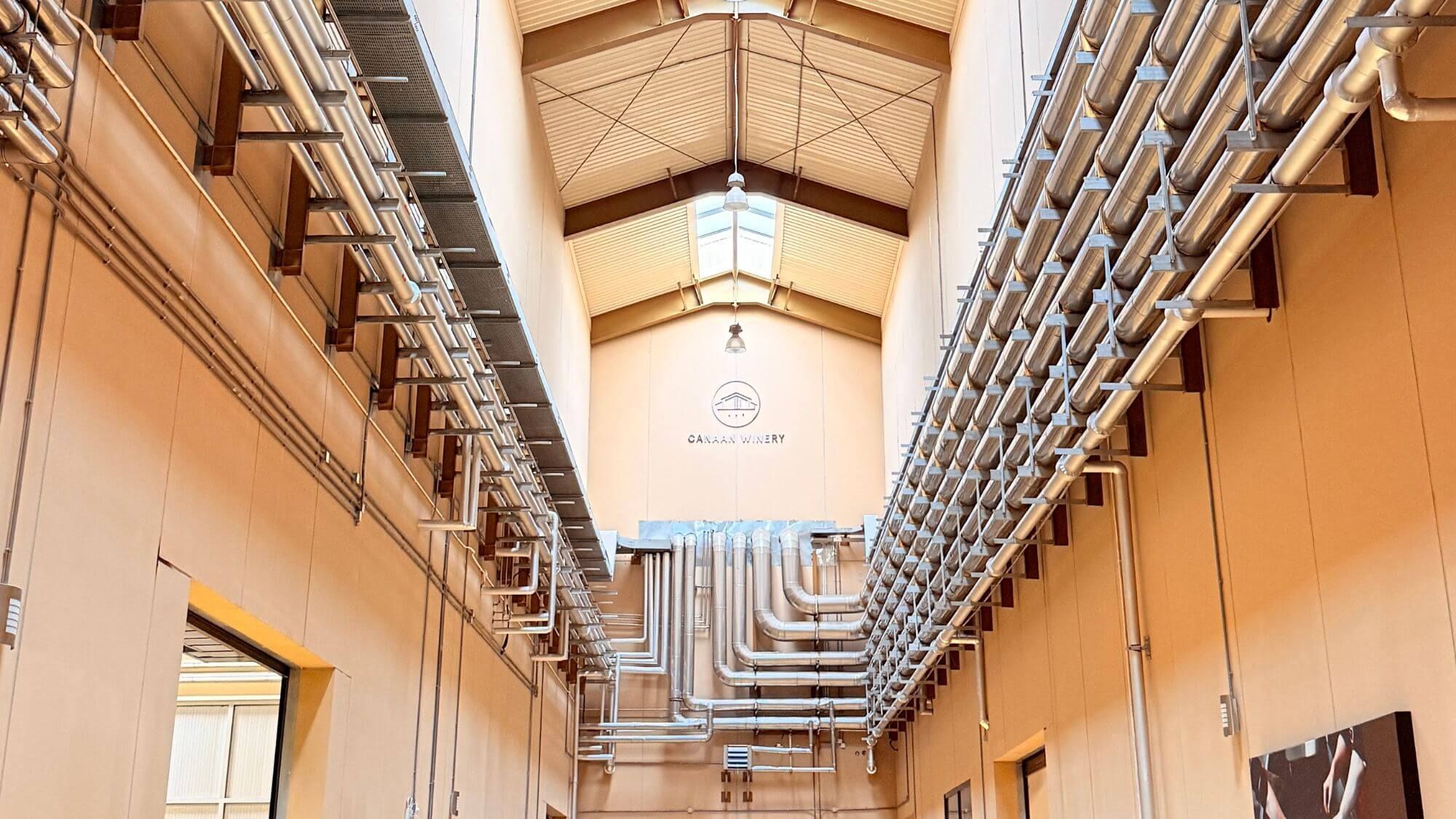
The high ceilings were not simply designed to make the space look impressive. They serve a practical purpose, allowing warm air to rise and helping to keep temperatures at the level of the fermentation tanks as stable as possible.
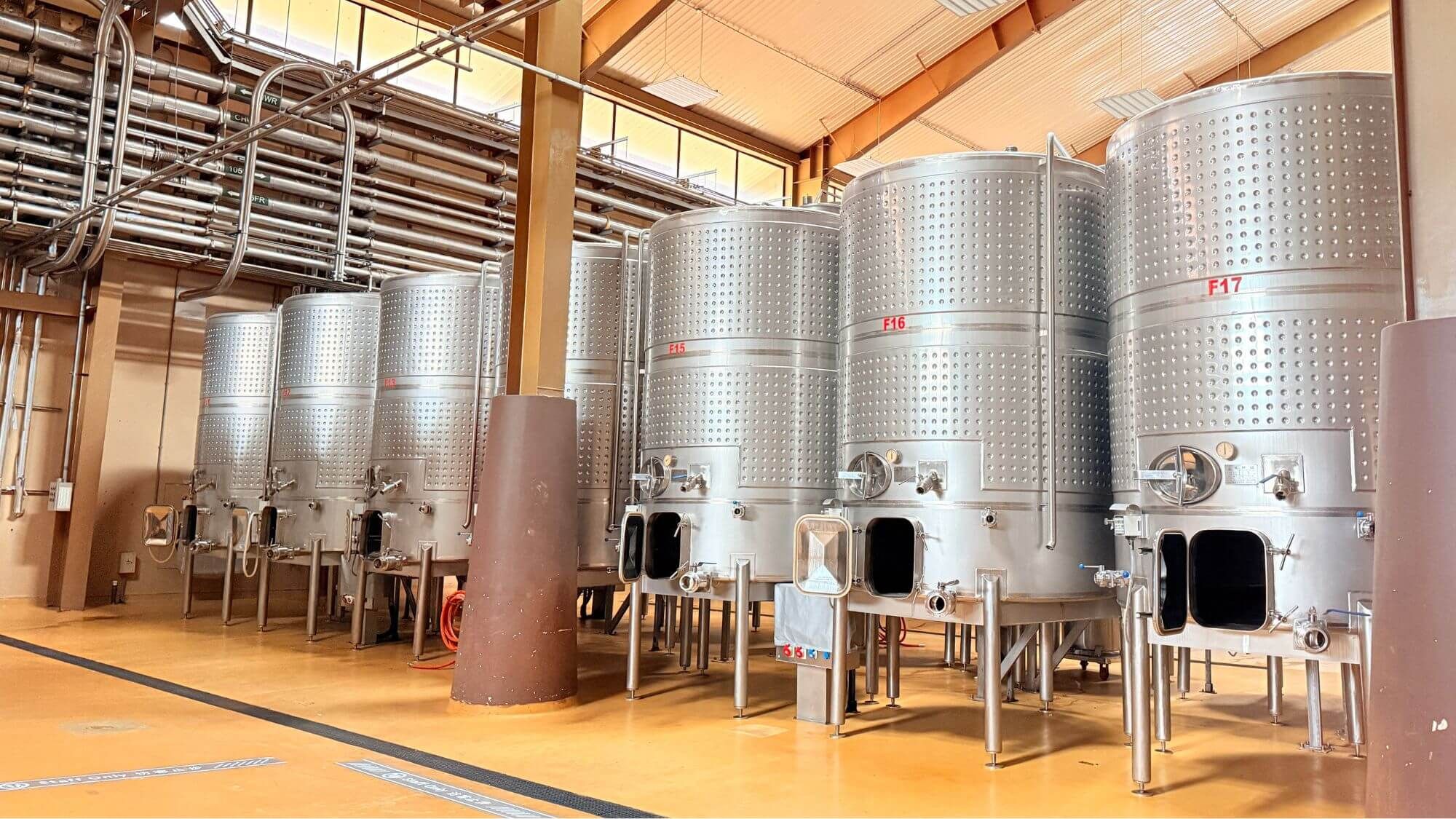
Further inside, I found a large number of small and medium-sized fermentation tanks. The larger ones have a capacity of around 10 tonnes, while the smaller ones hold less than 3 tonnes.
As mentioned earlier, the vineyards of the two estates are divided into numerous individual parcels. Fermenting these small batches separately allows the winemaking team to preserve as many different expressions as possible. When the time comes for blending, the winemaker naturally has a much wider range of components to work with.
This approach is entirely in line with the philosophy of modern Bordeaux winemaking.
There was another design feature that made me give the team a big thumbs-up.
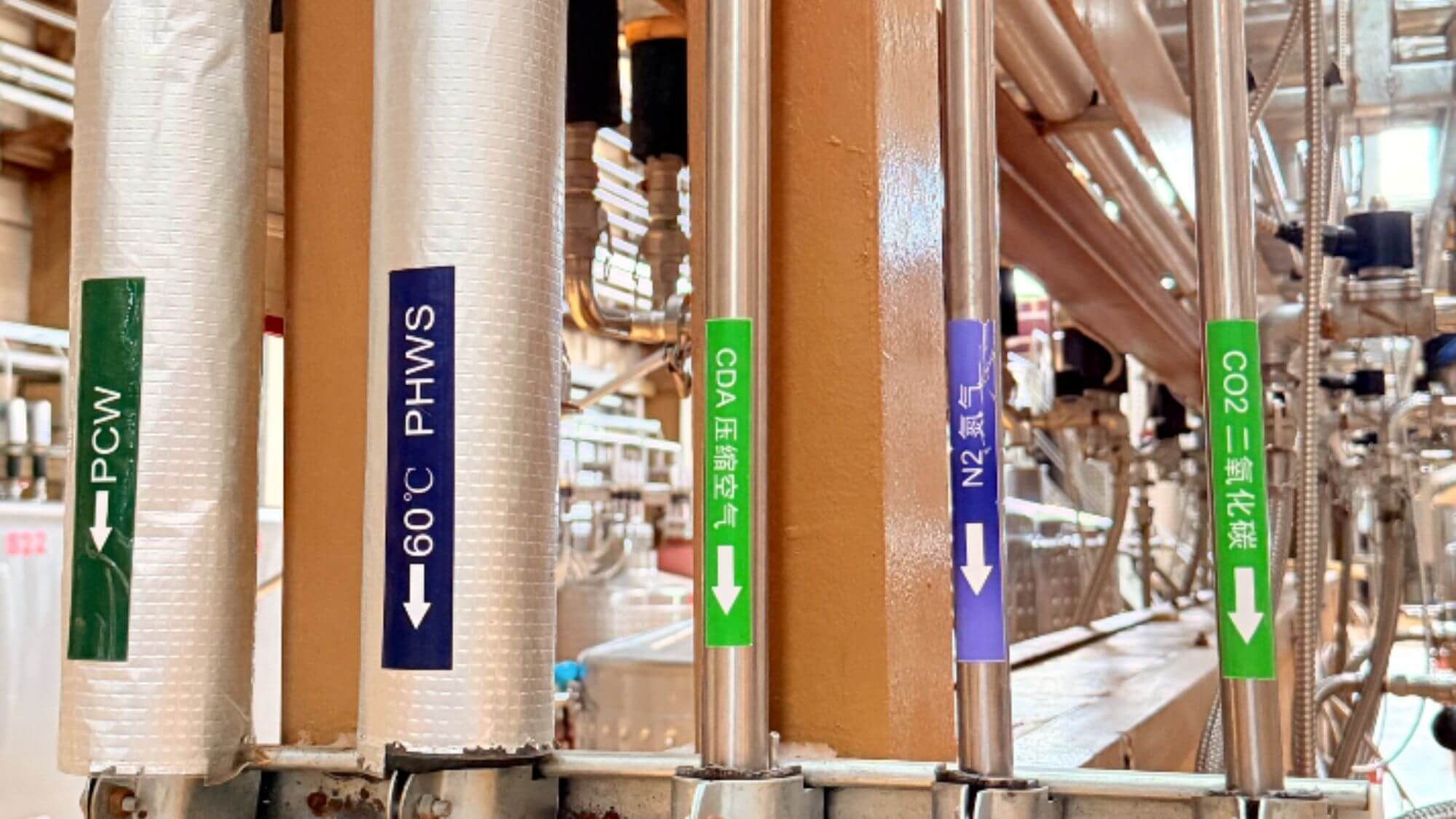
They had cleverly integrated the pipes carrying cold water, hot water, nitrogen and compressed air directly into the railings on the upper level above the fermentation tanks.
From below, they look like ordinary metal handrails. In reality, however, the entire circulation and supply network is concealed within them.
Such an ingenious design says a great deal about the thought and care that went into planning the facility.
Together, the two estates have approximately 2,000 to 3,000 oak barrels.
As a general rule, wines in the Reserve range are aged almost entirely in oak barrels.
For the Mastery range, the proportion varies between approximately 50% and 90%, depending on the wine, while the Select range typically sees around one-third of the wine aged in oak.
During my visit, I also noticed that every oak barrel carried its own barcode.
When I asked Mr. Zhao about this, he explained that the entire barrel management system had been digitalised, allowing the team to access detailed information simply by scanning the code.
For example, they can check which wines a particular barrel previously held, what it contains now and how long it has been in use.
Going further back, they can even trace the wine to its original vineyard parcel, the specific harvest batch, the yeast used during fermentation, where malolactic fermentation took place, and much more.
This kind of data management, built up systematically over many years, is something I encounter frequently in Bordeaux. But among Chinese wineries, it remains exceptionally rare.
Part Five: Behind the Winery
-Wait, this winery even has its own vine nursery?
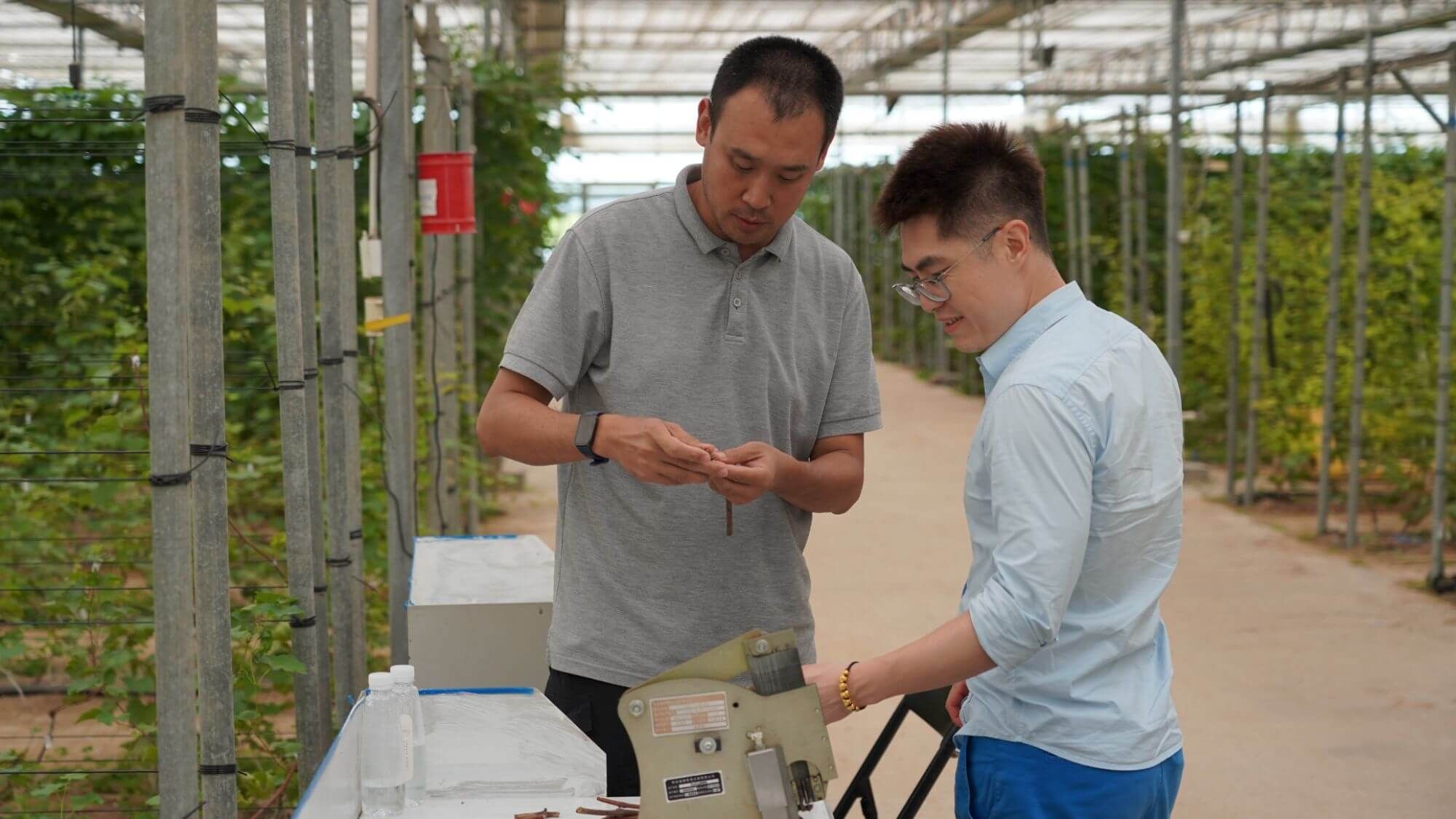
Another part of the visit that I found particularly interesting was the estate’s own vine nursery.
Some people might wonder what’s so fascinating about grapevine seedlings. Why not simply buy them and plant them?
But for an estate working with so many grape varieties across such a wide range of elevations, choosing the right planting material is anything but a trivial decision. Once the vines go into the ground, they are expected to remain there for at least twenty or thirty years.
Different clones and rootstocks can behave very differently depending on the soil in which they are planted.
To identify the most suitable vines for each parcel, the team decided to establish its own nursery and propagation system, managing everything themselves, from grafting and callus formation to raising young vines.
-Mr. Zhao Desheng
Before getting into the winemaking techniques, I’d like to say a few words about Mr. Zhao Desheng.
I had always thought of him as a classic engineer type: quiet, reserved and rather introverted.
After spending two days together, I realised that he does indeed remind me of many old-school winemakers I have met in Bordeaux.
He speaks in a clear, methodical way and rarely shows much emotion. At first, he can seem a little reserved, perhaps even slightly distant. But once the conversation turns to a technical subject that genuinely interests him, he gradually relaxes. Every now and then, he even comes out with a surprisingly good joke.
Remember Anita teasing him earlier, saying that “Desheng, who was practically struggling to put food on the table, could finally start enjoying the good life”?
Well, do you know how he replied?
“Absolutely! These days, I can barely fit into my trousers anymore!”
Hahaha! 😄
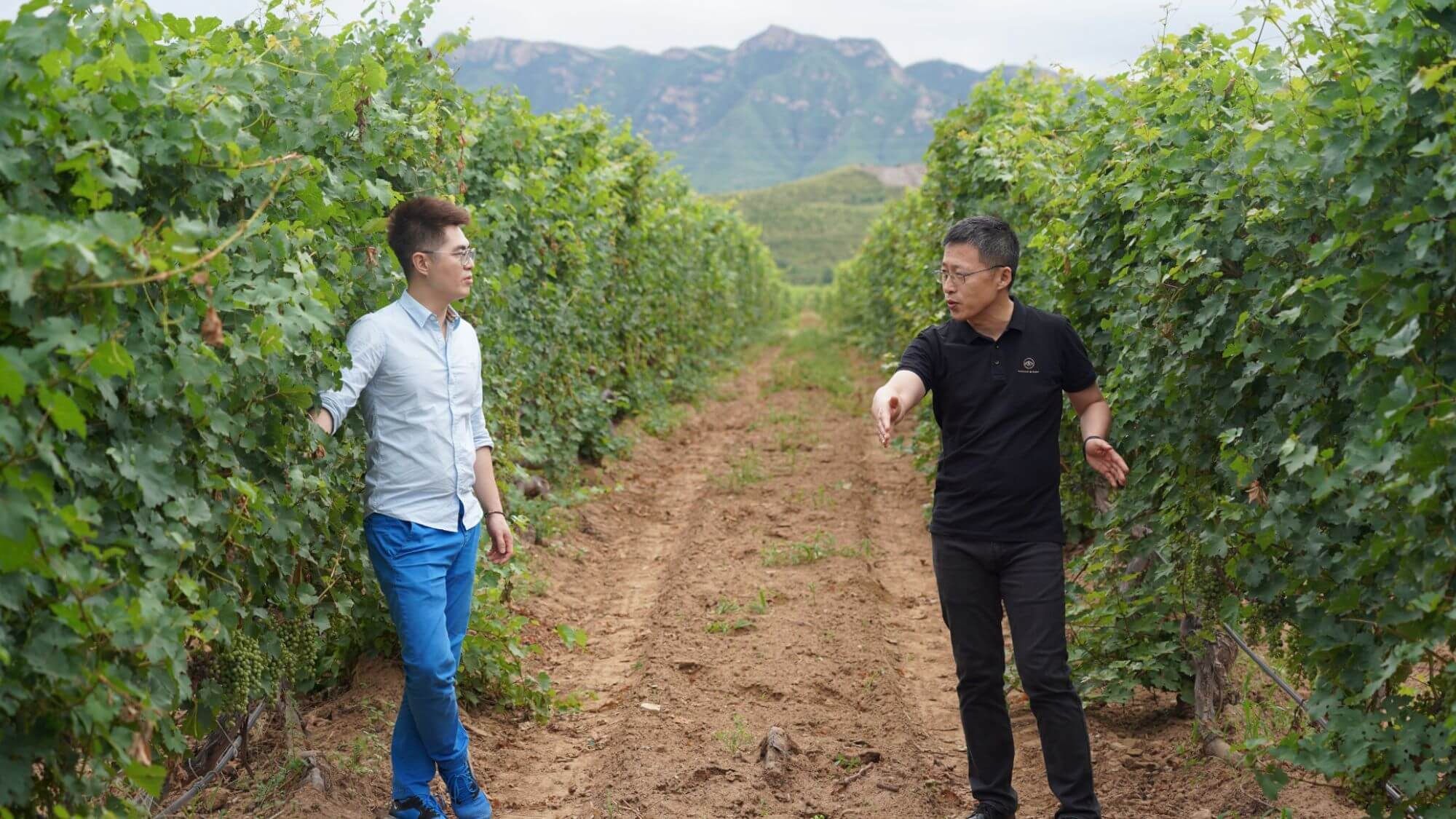
When discussing wine, he tends to explain things in a very straightforward, objective way: what problems arose in the vineyard, what measures the team took at the winery, and what the results turned out to be.
For wine critics like us, who spend much of our time visiting estates, this kind of direct, completely open communication is exactly what I appreciate most.
But the longer we talked, the more I began to recognise another side of his personality: a deeply uncompromising determination, particularly when it comes to quality. On that front, he simply refuses to lower his standards, even slightly.
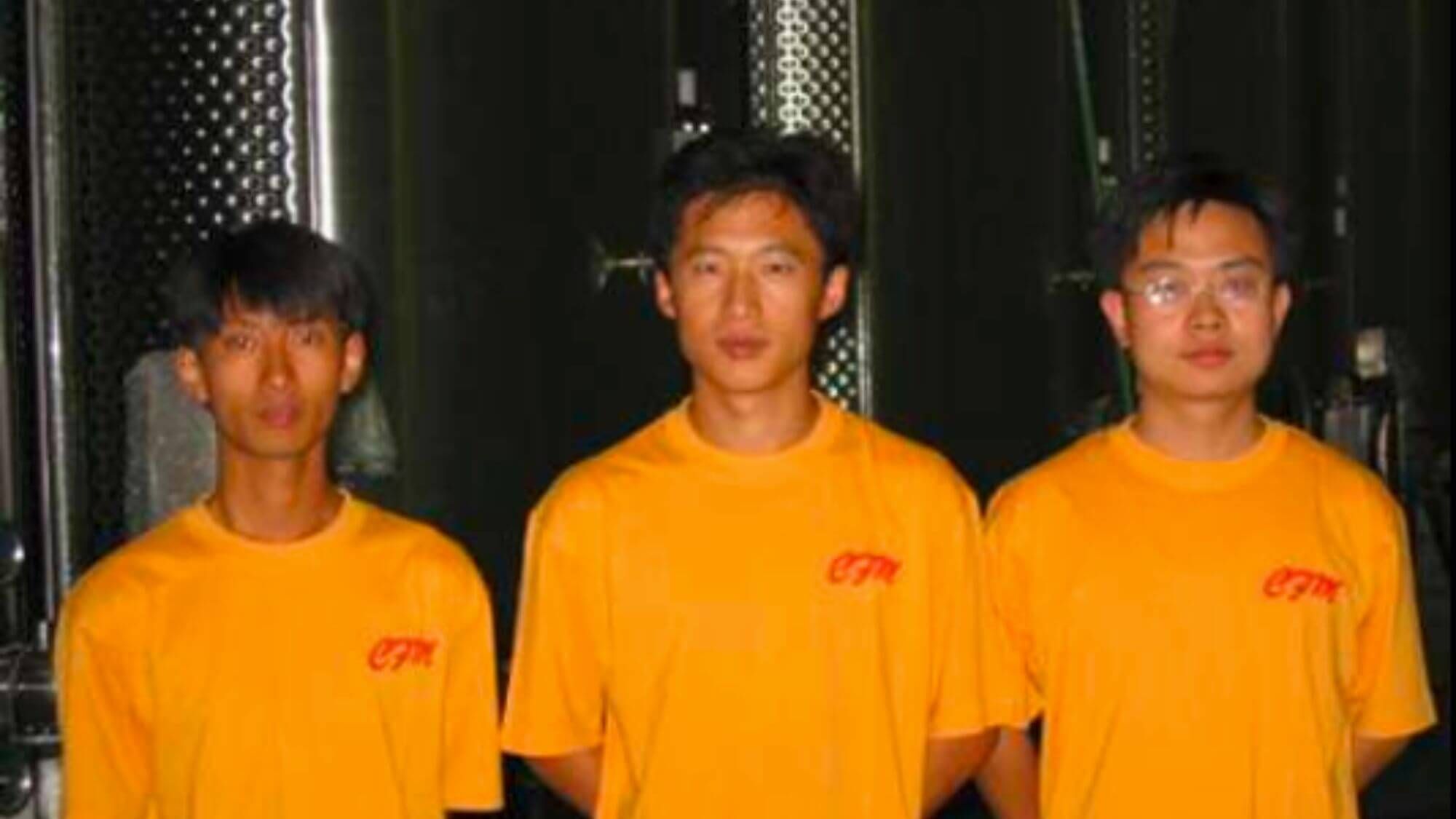
According to Mr. Zhao himself, he joined Domaine Franco-Chinois in 2001. The following year, he was sent to ENITA in Bordeaux to study viticulture and oenological engineering. He returned to China in 2003, just in time for Domaine Franco-Chinois’ first official harvest.
It would hardly be an exaggeration to say that he spent practically his entire youth at Domaine Franco-Chinois.
Final Thoughts
After returning to Bordeaux and getting my child settled back into school, I spent my evenings sorting through all the material I had gathered.
As I worked, scenes from those two days at the estates kept flashing through my mind.
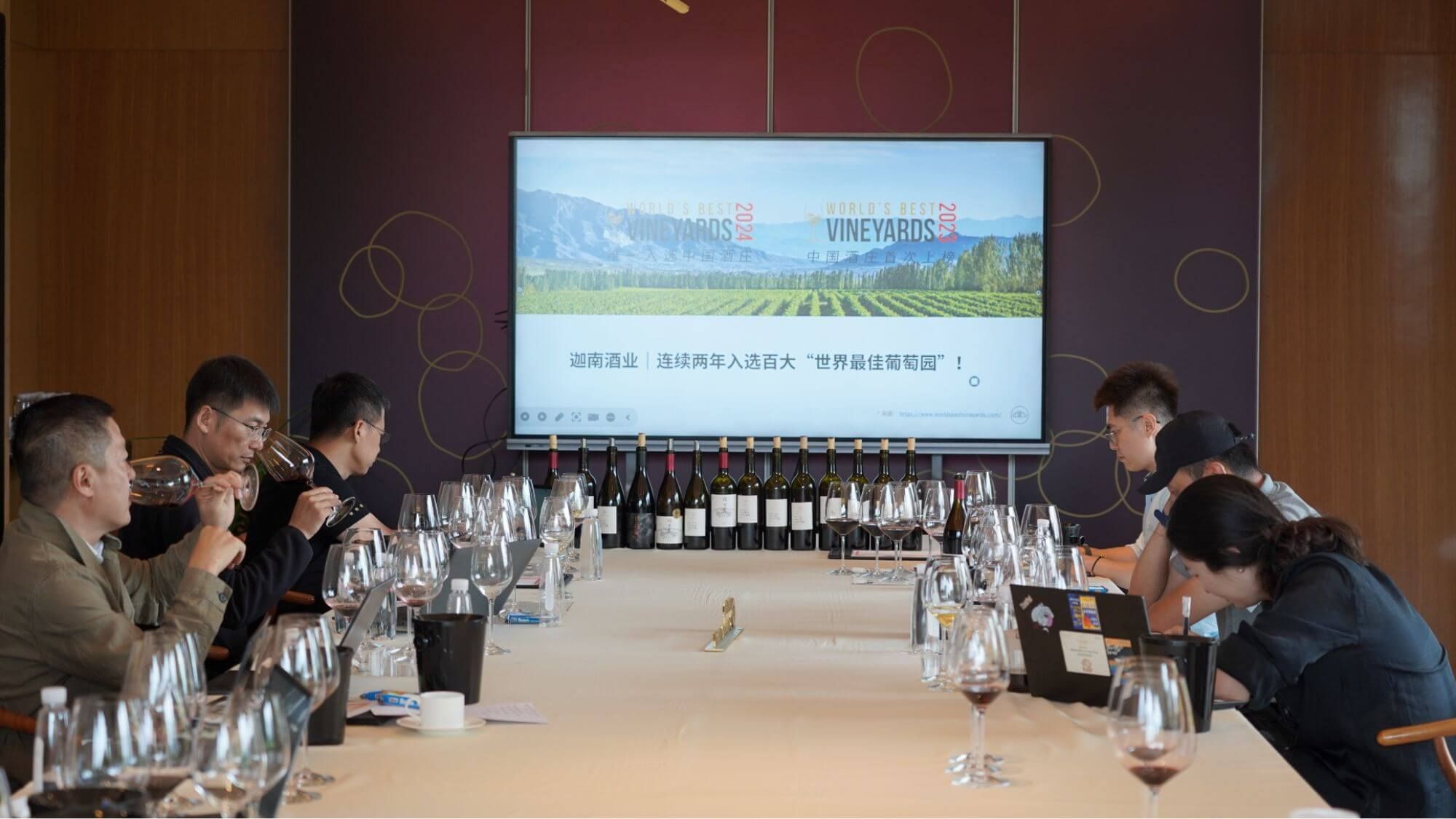
Sitting in the tasting room for two consecutive days, exploring wines from different vintages and quality tiers. Walking through the vineyards with the team, examining the soils and discussing the characteristics of each vintage. Sharing staff meals together, with all the comforting happiness that comes from a generous helping of carbohydrates. And just before leaving, sitting quietly as an observer while the team conducted an internal tasting of older vintages…
Every scene remains remarkably vivid.
Those who know me well are aware that I can be rather stubborn when it comes to the way I work, especially over the smallest details. Sometimes, even my wife finds my insistence on getting everything just right absolutely maddening.
But during my two days at Domaine Franco-Chinois and Canaan Winery, I discovered that the people there are just as obsessed with details as I am. And that suited me perfectly.
I have always believed that an estate genuinely committed to making great Chinese wine, one that hopes someday to present its wines to enthusiasts around the world with real confidence and pride, should look exactly like this: rigorous, meticulous and willing to invest time, effort and resources in the things that most people never see.
This is a team with exceptional technical expertise, but also genuine warmth and a strong human touch.
I truly enjoyed walking the vineyards and tasting wines with all of you.
Once again, my heartfelt thanks to the teams at Domaine Franco-Chinois and Canaan Winery for your support, generosity and openness throughout those two days.
And thanks to all of you, I know one thing for certain: Huailai is a place I’ll have to come back to.