AMA Vertical Tasting
Château Bellevue
(2001-2023)
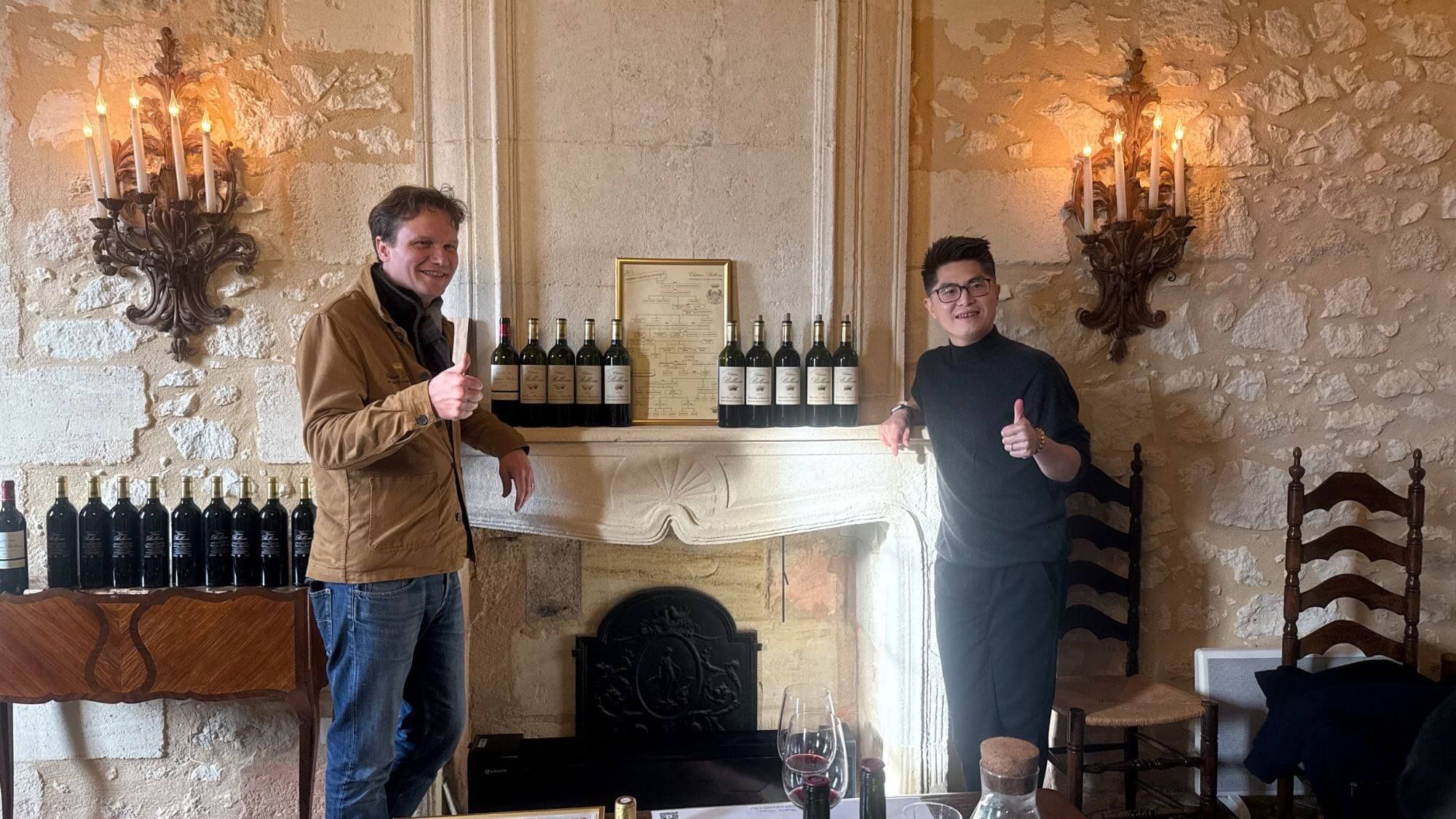
This is how it happened. At the end of 2025, I received an invitation from Château Bellevue, asking me to return for another vertical tasting.
My first reaction was surprise. After all, just two years earlier, we had already conducted a systematic tasting covering more than a dozen vintages. At the time, I even joked that although there are many estates in Bordeaux named “Bellevue,” only one truly possesses top-tier terroir: the “Château Bellevue” that perched on the heights of Saint-Émilion!
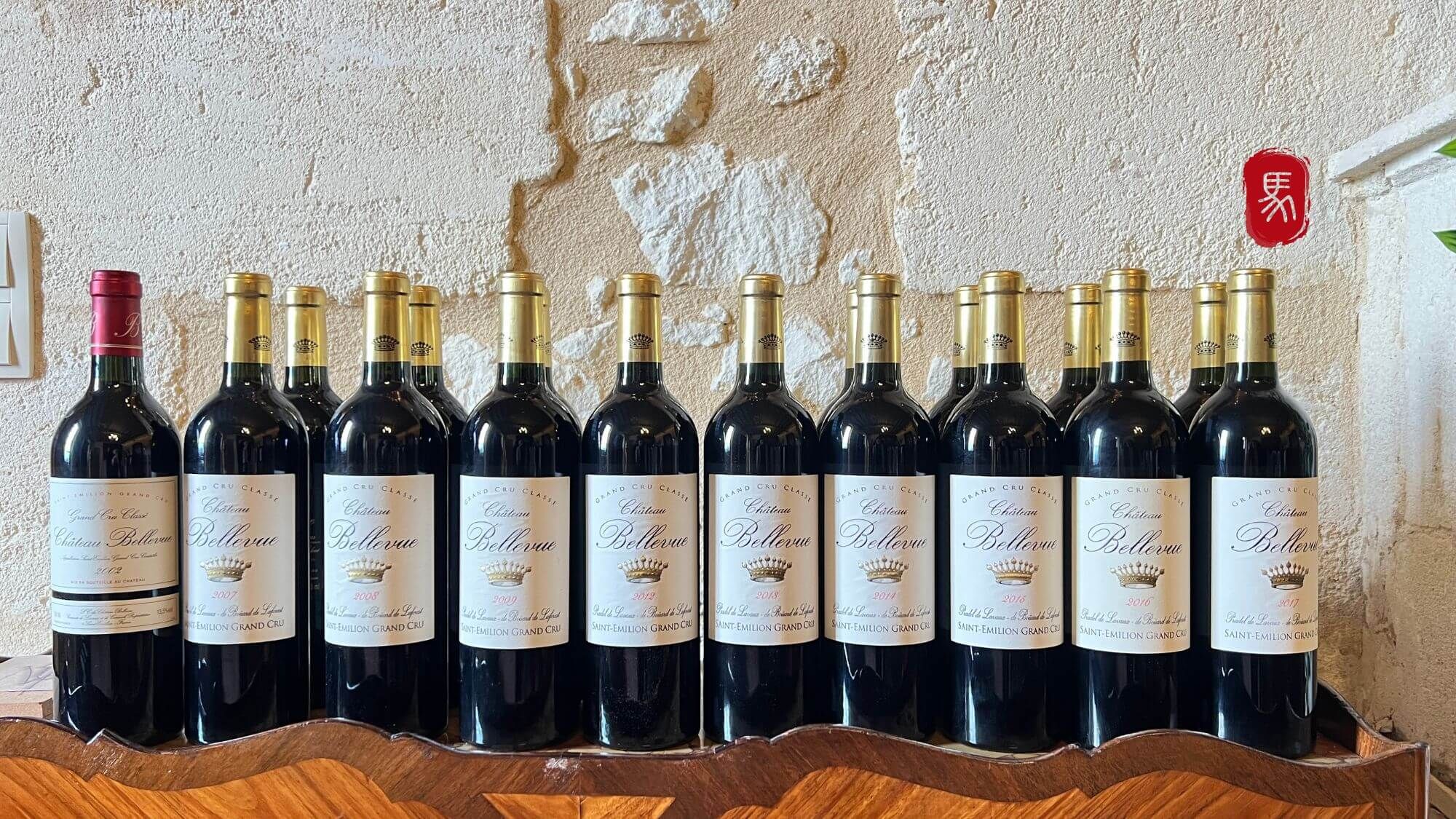
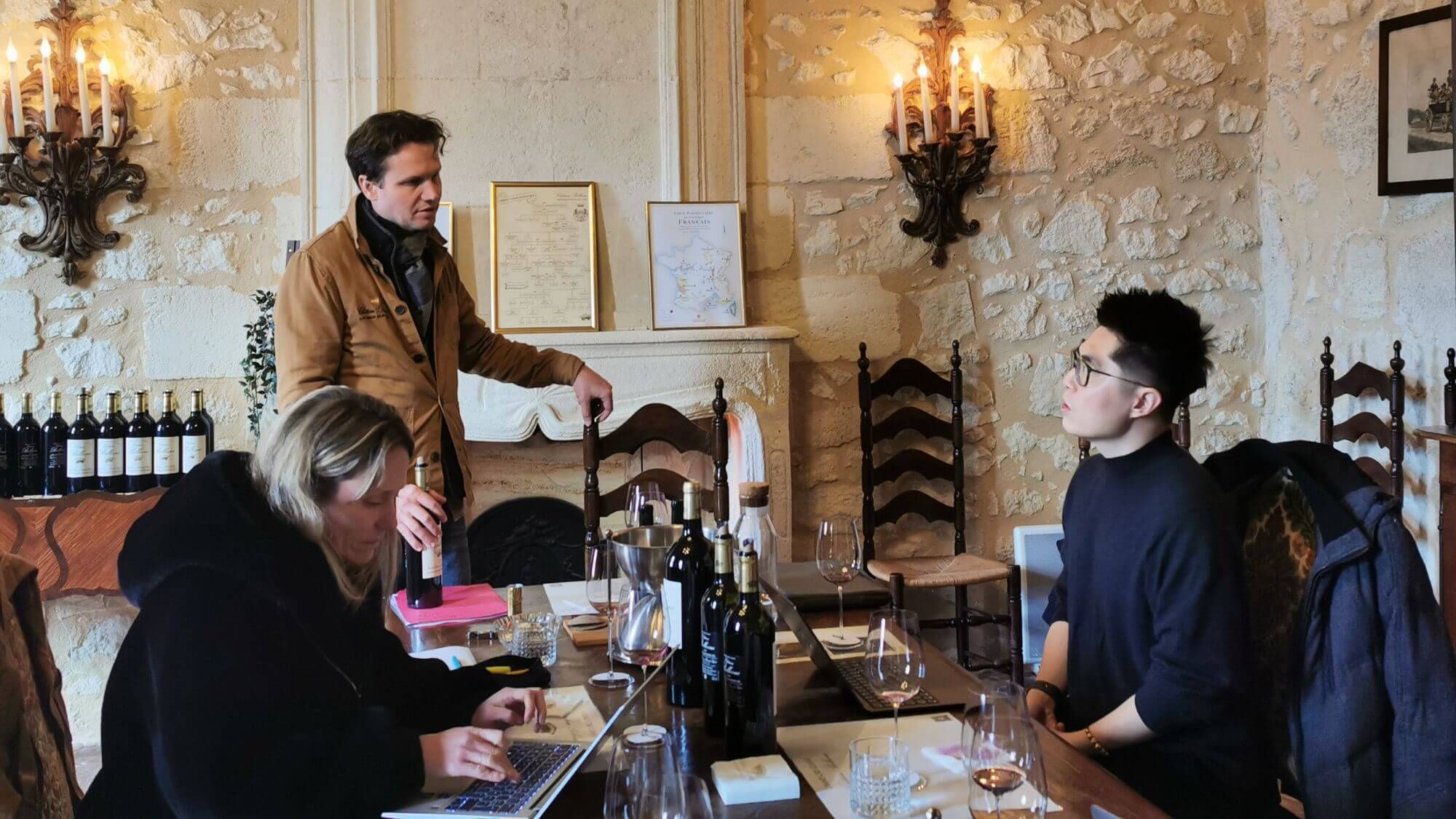
Yet Sophie and Axel remained insistent. They made it clear that this would not be a “repeat tasting.” Instead, they hoped I would complete the picture by tasting every remaining vintage from 2001 through 2023 that I had not yet reviewed. That is Bordeaux for you. When it comes to verticals, they do not cut corners.
Since I have already shared quite a lot about Château Bellevue’s terroir background and a few behind-the-scenes stories in previous articles, this time I want to approach things differently. Rather than revisiting familiar ground, I would like to place the impressions from both vertical tastings along the same timeline. Only by doing so can we gain a fuller and more dimensional understanding of Château Bellevue’s character and how its style has evolved over different periods. And that is when you see why I once suggested keeping a close eye on this château, one of the very few Grand Cru in Bordeaux where genuine value can still be found.
Click here, and read the previous article that Alexandre MA did the vertical tasting at Château Bellevue
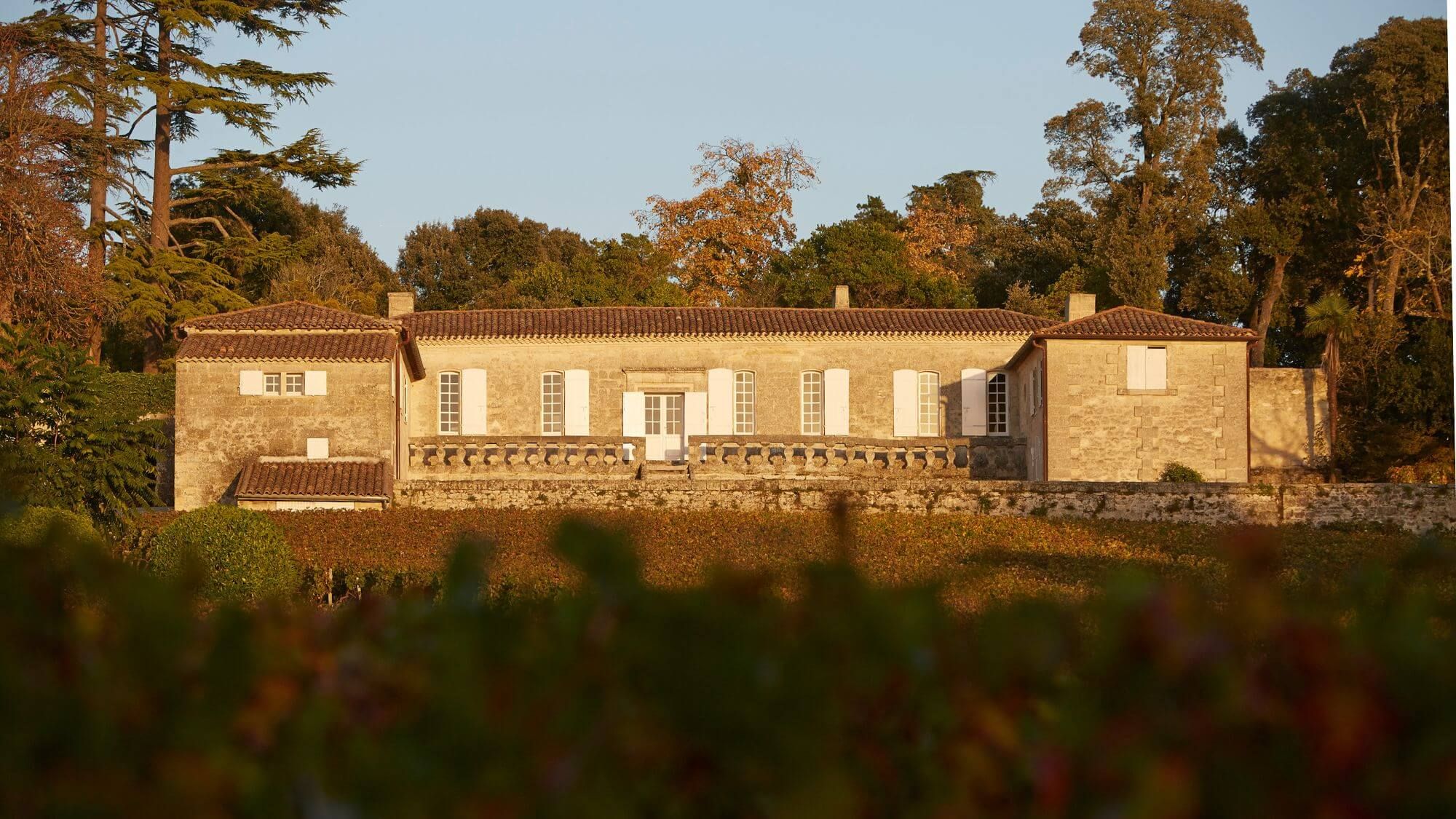
AMA SNAPSHOT of Château Bellevue
1. A 100% Merlot That Often Feels Like Cabernet Franc
Château Bellevue is made entirely from Merlot, yet during tastings it often gives me a sensation reminiscent of Cabernet Franc. This freshness is not about greenness. Rather, it comes from the interplay of acidity, floral lift, and refined herbal notes. In blind tastings, it can be highly misleading.
2. “Sweetness” and Warmth in Hot Vintages
In warmer vintages, Château Bellevue becomes particularly compelling, with fruit aromas turning notably sweet and generous. The sweetness arrives directly and confidently, yet never feels excessive. In the glass, it carries a distinct impression of sunlight.
3. Limestone Plateau and Old Vines Shape a Compact Core
The limestone plateau, combined with very low yields from old vines, gives Château Bellevue remarkable concentration. Whether in warm or cooler vintages, the wine shows a tightly knit structure, as if all elements move together. Each component supports the others, with almost no sense of looseness. Even in the less ripe 2007 vintage, this cohesion remains intact.
4. Higher Alcohol, Always Balanced by Acidity
Château Bellevue often reaches 14.5% or even 15% alcohol. Yet thanks to the low pH naturally provided by its limestone terroir, the wine consistently finds a line of vibrant acidity that keeps the palate fresh and energetic.
5. Two Distinct Aging Paths
In warmer vintages, aging tends to bring out mature notes such as black truffle. In cooler years, the evolution leans toward fresher tones, gradually revealing aromas of mint oil and pine cone.
6. 2000–2007: The Purest Expression of Limestone
Between 2000 and 2007, Château Bellevue placed greater emphasis on expressing its limestone terroir. In youth, the aromatics may not have been especially exuberant, yet the chalky tannins and saline finish stood out clearly.
With aging, truffle notes appeared consistently during this period, particularly in 2000, 2001, 2002, and 2003. These vintages remain essential for understanding its early terroir-driven style.
7. 2007–2021: Structure Takes the Lead
From 2007 to 2021, the wines became noticeably more concentrated, with finer tannins and a stronger structural presence. The stylistic focus gradually shifted from pure terroir expression toward a clearer articulation of structure and framework.
8. 2022–2023: A New Chapter Begins
The 2022 and 2023 vintages mark the opening of a new chapter for Château Bellevue. In 2022, the fruit profile is strikingly clear and precise. By 2023, floral aromas become more lifted and expressive, and the texture turns exceptionally refined, as smooth as chilled fresh milk. It stands as a true milestone vintage for the estate.
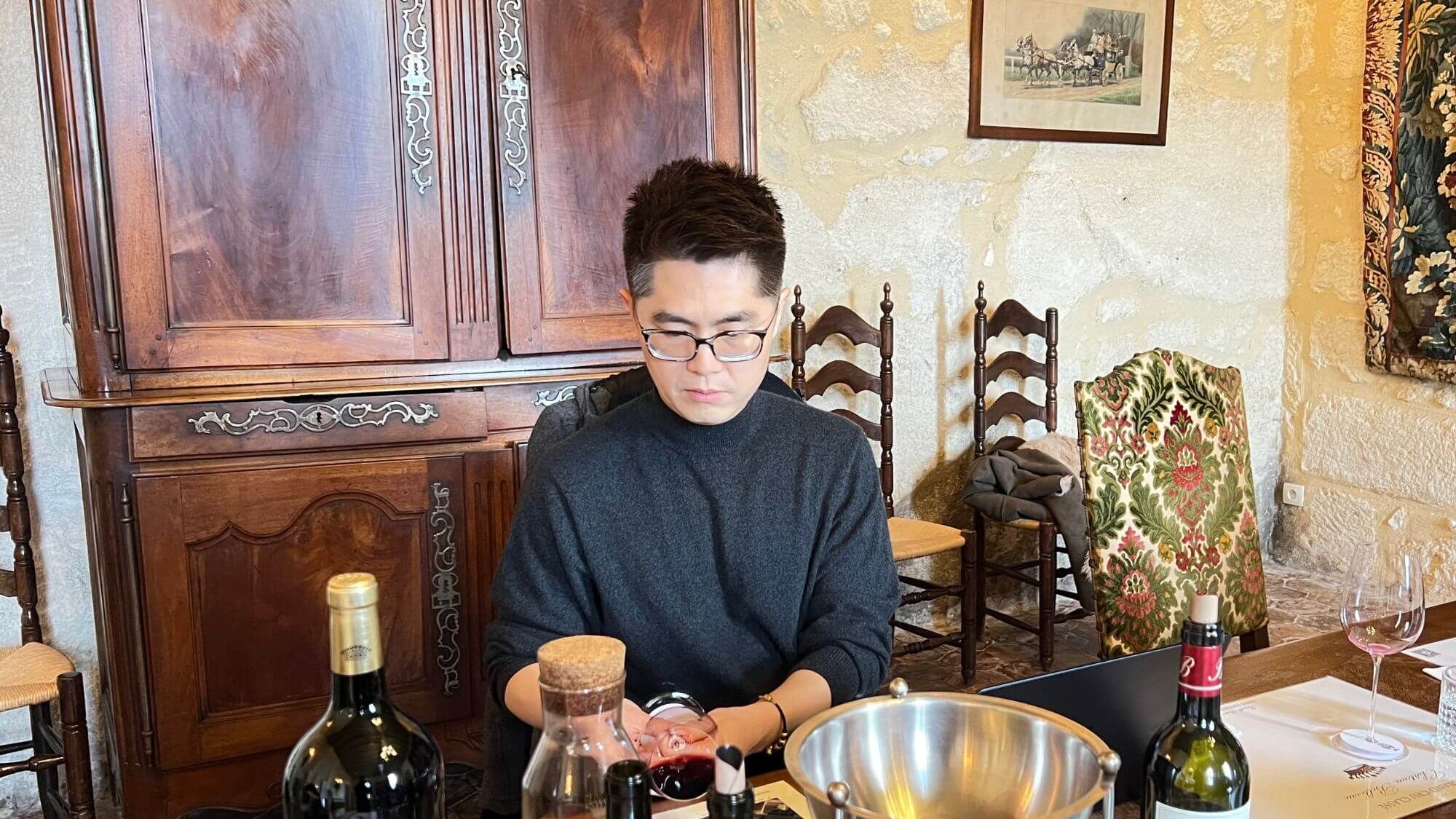
2016: A Completely Renewed Experience
During this second vertical, I retasted the 2016 vintage, often described by many as the strongest year in Saint-Émilion’s history. Compared with my previous tasting, its performance after two additional years of aging is even more impressive.
Although the imprint of oak remains clearly present, it does nothing to obscure the wine’s abundant fruit. The acidity is firm, the structure compact. Even after 10 years of aging, it still carries a kind of purity one might only find in the eyes of youth.
In my view, this stands as the pinnacle of the estate under the stewardship of the De Boüard family.
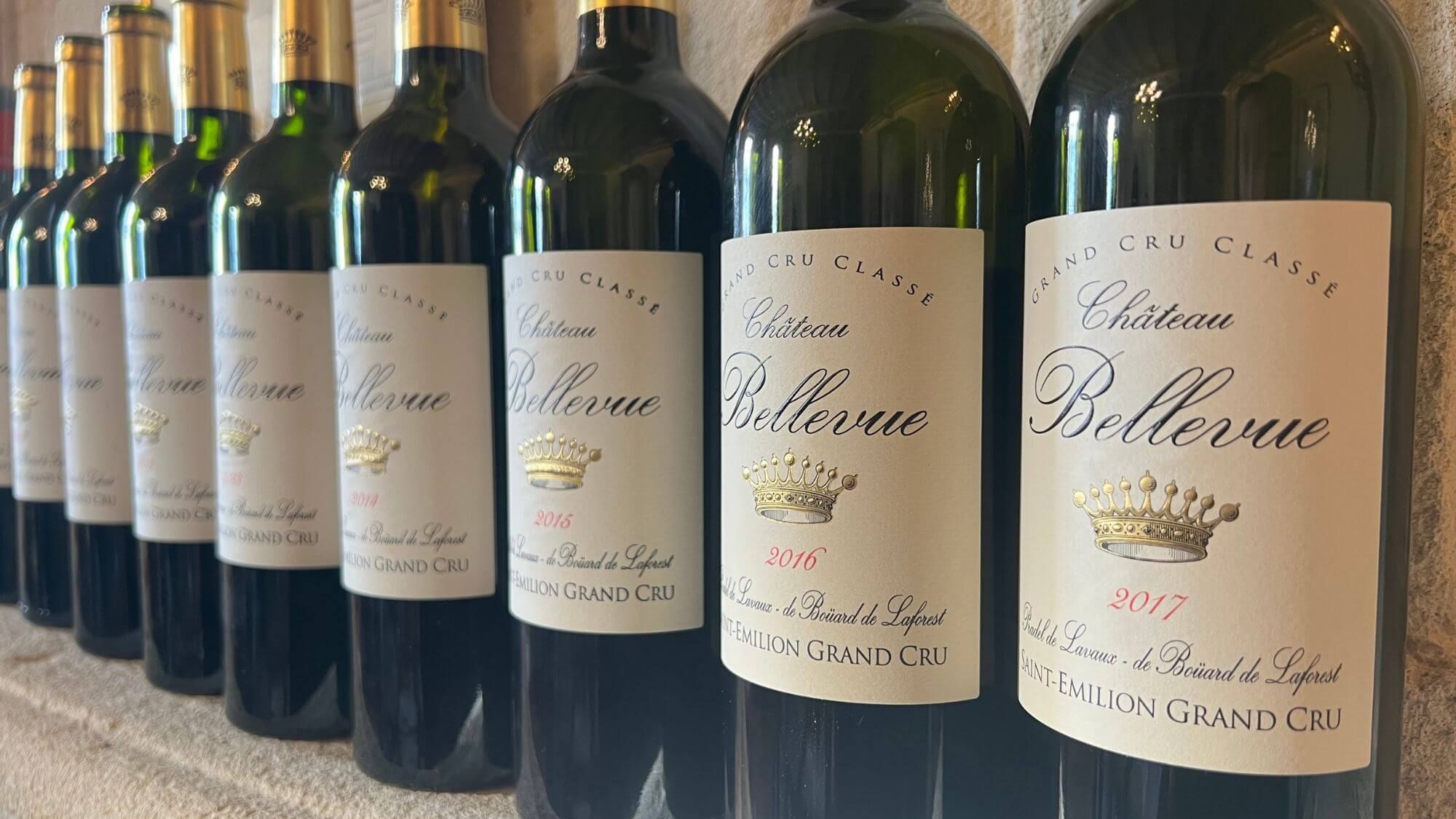
Having completed this second vertical tasting, I was reminded of a rather bold assessment I once made when tasting the base wine of Château Bellevue 2023.
At the time, I said: “If we look purely at terroir and quality, without considering any external factors, Château Bellevue should be promoted to Premier Grand Cru Classé B at the next classification.”
After tasting the bottled 2023 this time, I am even more convinced of that judgment. Whether this prediction will come true, however, is something best left to time.