
AMA Vertical Tasting
Domaine Auguste Clape
(2013-2021)
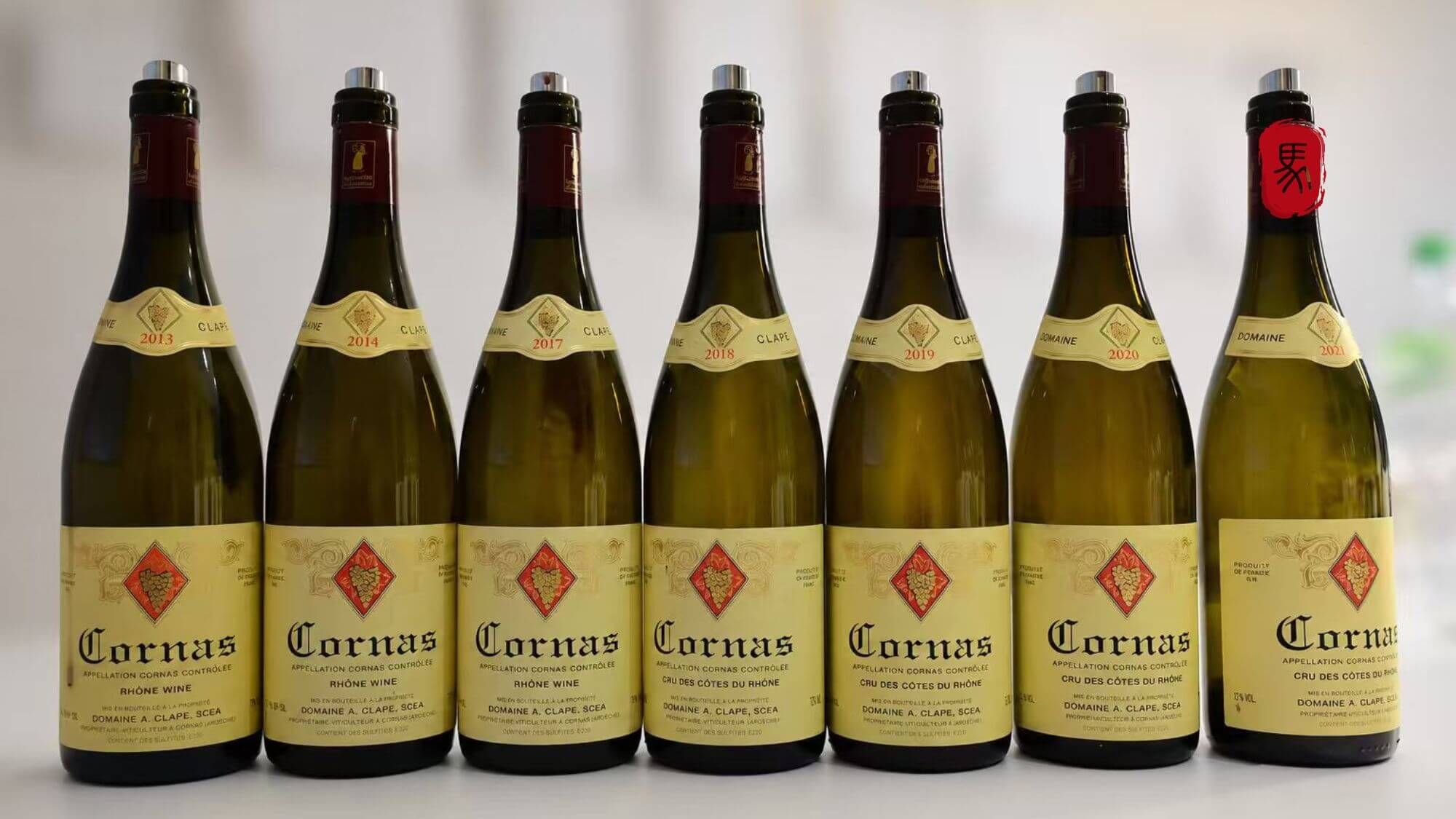
Domaine Auguste Clape is a Cornas estate I personally adore. It is no exaggeration to say that without Auguste Clape, Cornas would never have the stature it enjoys today. And perhaps we, as wine lovers, would never have discovered that Syrah could possess such intense, primal, yet irresistibly captivating sensual tension. In my eyes, it stands as an enduring monument of Cornas.
I had tasted wines from the estate on many occasions before, and every encounter left a lasting impression on me. Yet after completing a seven-vintage vertical tasting in Bordeaux with a group of close friends, I suddenly realized something:
Some estates have long transcended the simple act of “making wine.” What they are truly doing is safeguarding a flavor, a spirit of taste, that is slowly fading from our era.
At a time when more and more wineries are moving toward styles defined by elegance, lightness, and crystalline transparency, Domaine Auguste Clape has remained like the granite slopes on which it stands, steadfast and unyielding, never truly bowing to the fashions of the age.
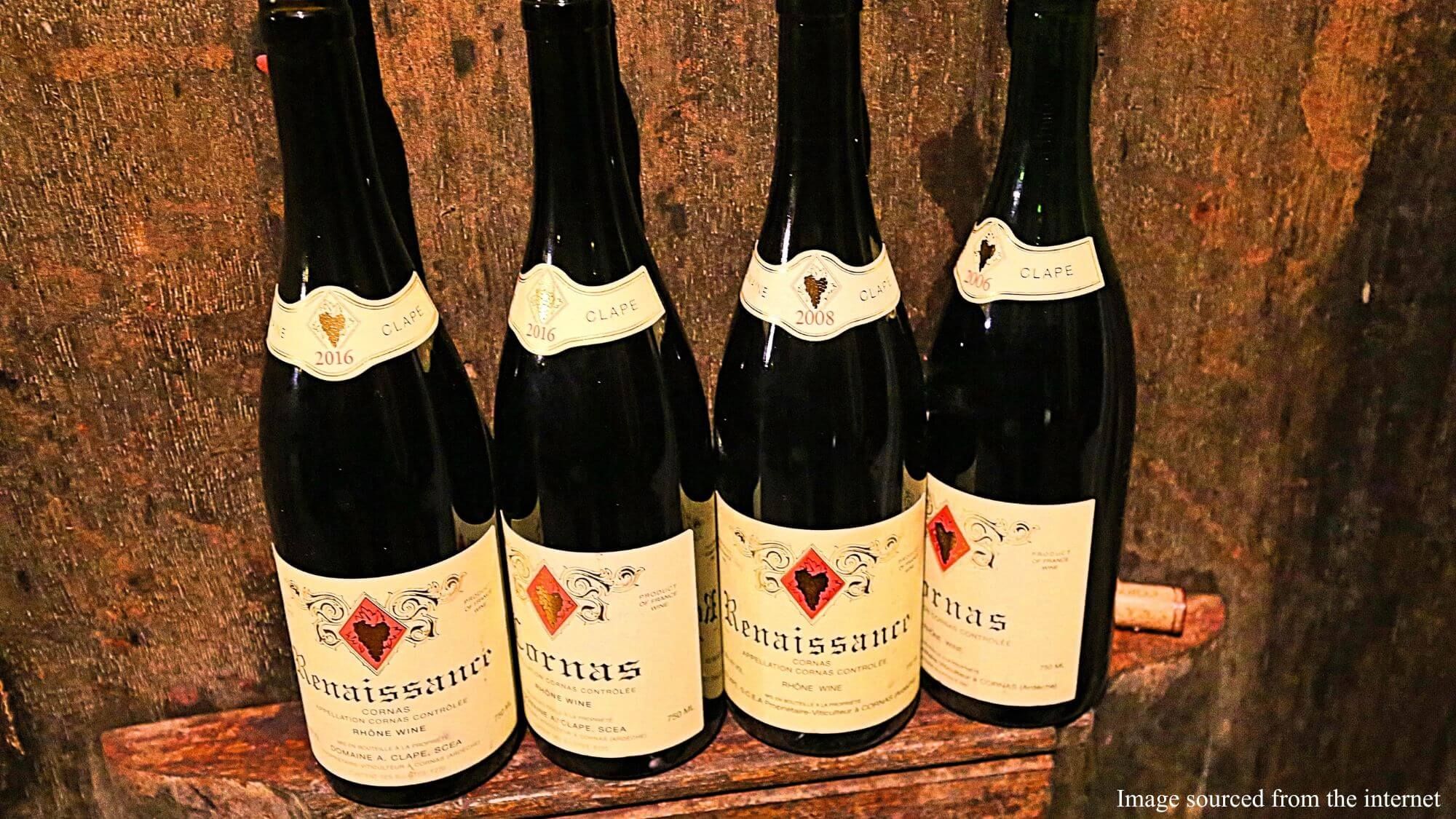
Cornas has never been an appellation that is “easy to love.” It lacks the soaring grace of Côte-Rôtie, and it does not possess the imperial grandeur of Hermitage. Traditional Cornas is driven by the raw force of granite, marked by an animalistic wildness, and framed by tannins that can feel rugged, even slightly aggressive.
For many newcomers to the Rhône Valley, it is hardly what one would call “welcoming.”
Yet this is precisely where Auguste Clape becomes so extraordinary: it preserves the untamed soul of Cornas in its entirety, while somehow imbuing that wildness with a profound elegance that is almost impossible to resist.
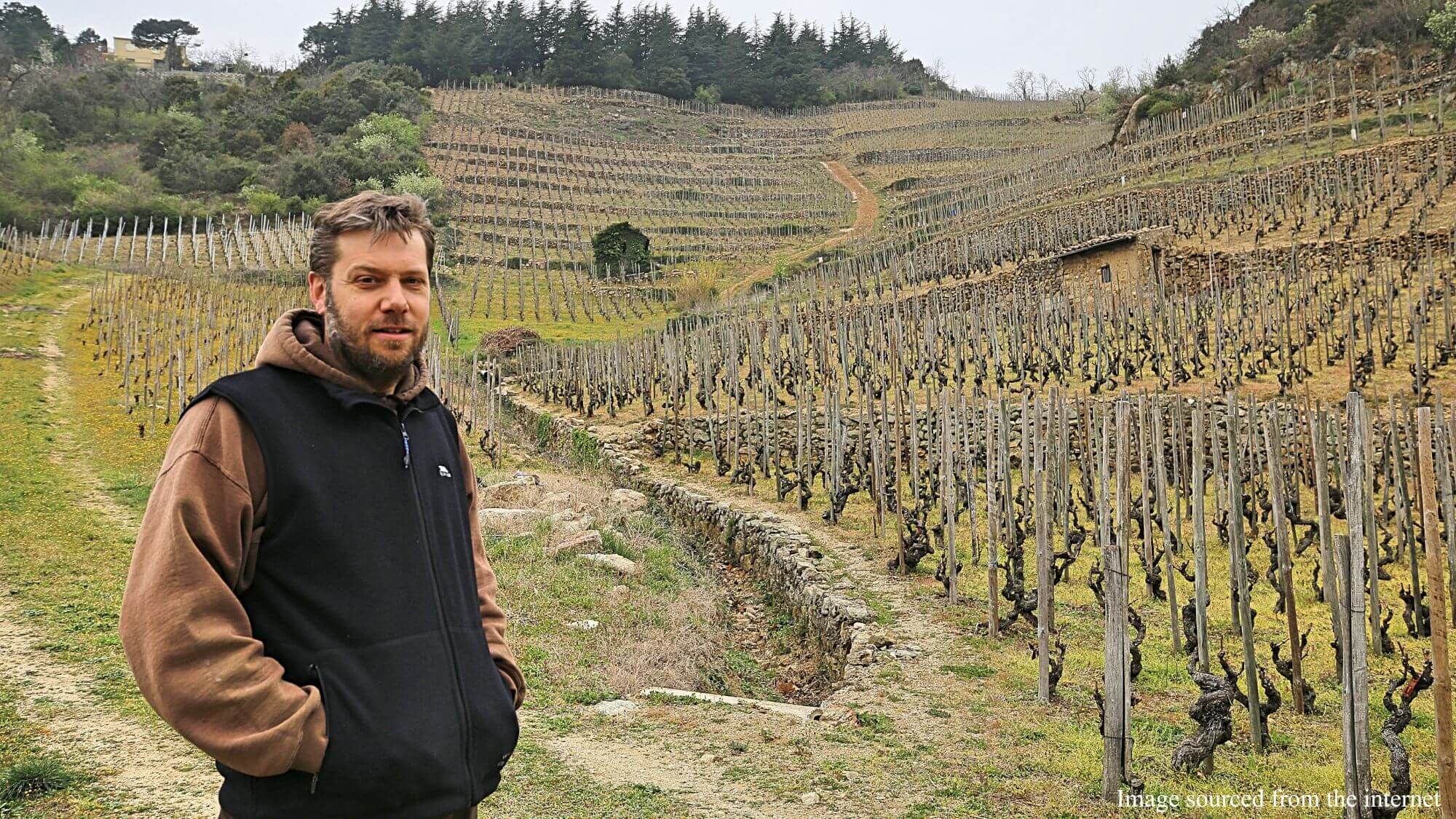
AMA SNAPSHOT of Domaine Auguste Clape
After this vertical tasting, I realized that the identity of Domaine Auguste Clape is even more unmistakable than I had imagined. These are not wines that seek to charm everyone, nor are they made to please at first glance. They belong to those who truly understand Cornas.
1. Remarkable consistency
Even in weaker vintages, the wines never truly falter, while great vintages are capable of reaching extraordinary heights.
2. Syrah with extraordinary sensual tension
Clape captures the animal-hide wildness so intrinsic to Cornas, yet expresses it with a kind of effortless, almost aristocratic swagger.
3. A strikingly distinctive aromatic signature
Chinese hawthorn, licorice candy, black tea, dried beef, violet, and black olive together form what feels like the unmistakable olfactory language of Clape.
4. A “mountain-shaped” tannic structure
The tannins do not spread horizontally across the palate. Instead, they rise vertically, like the upward tension of a granite massif.
5. Whole-cluster fermentation without a trace
This is perhaps the estate in all of Cornas that handles whole-cluster fermentation with the greatest subtlety. Despite using 100% stems, there is almost no excess greenness or angularity.
6. Highly recommended vintages: 2020, 2019, 2017, 2016, 2015
Each of these vintages reveals, in its own way, the extraordinarily rare balance that Domaine Auguste Clape achieves between power, wildness, and elegance.
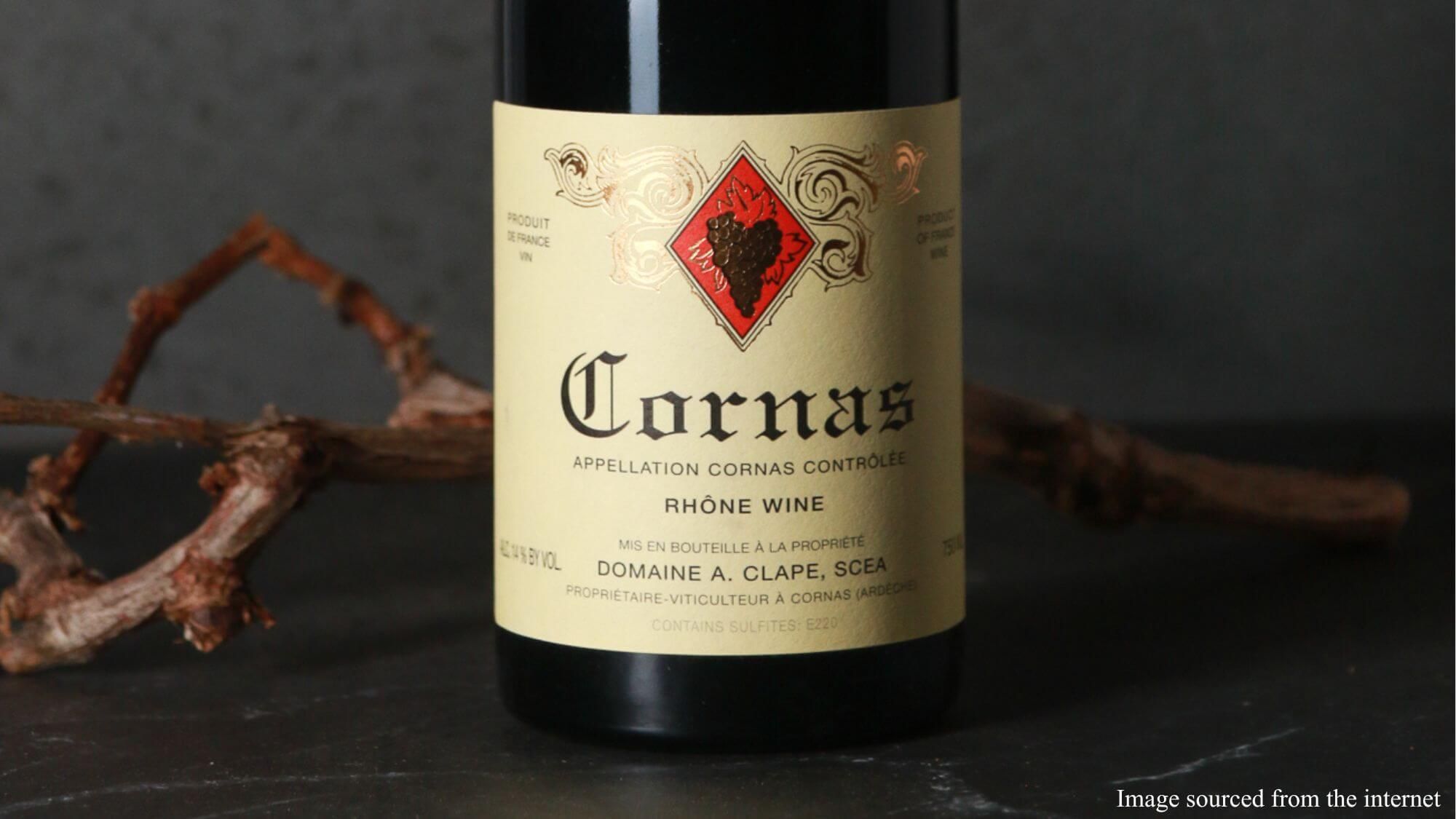
Cornas in 19th-Century
If we turn the clock back to the 19th century, we would find that Cornas looked nothing like it does today.
There were no legendary estates back then. Across the steep granite slopes lived only ordinary farmers, men and women working the hillsides under harsh conditions. The Frugier family was one of them. They lived in the mountains, growing grapes alongside cereals. Life was far from prosperous, and at times genuinely difficult, yet it was just enough to survive.
Then came 1865, when the phylloxera crisis, which devastated almost the entire European wine industry, struck Cornas as well. Vineyards began to die on a massive scale, and many growers abandoned viticulture altogether. For farmers of that era, “terroir” mattered far less than survival itself. One by one, vines were uprooted and replaced with grain crops. Faced with the eternal question of “bread or wine,” they chose bread almost without hesitation.
Today, we often romanticize legendary estates, but in truth, many of them simply endured longer than others.
By 1890, Henri Frugier replanted two hectares of vineyards. At the time, Cornas remained poor, isolated, and largely forgotten. No one knew what those grapes might one day become worth, and even less could anyone have imagined that, decades later, this tiny hillside village would become one of the world’s great symbols of Syrah.
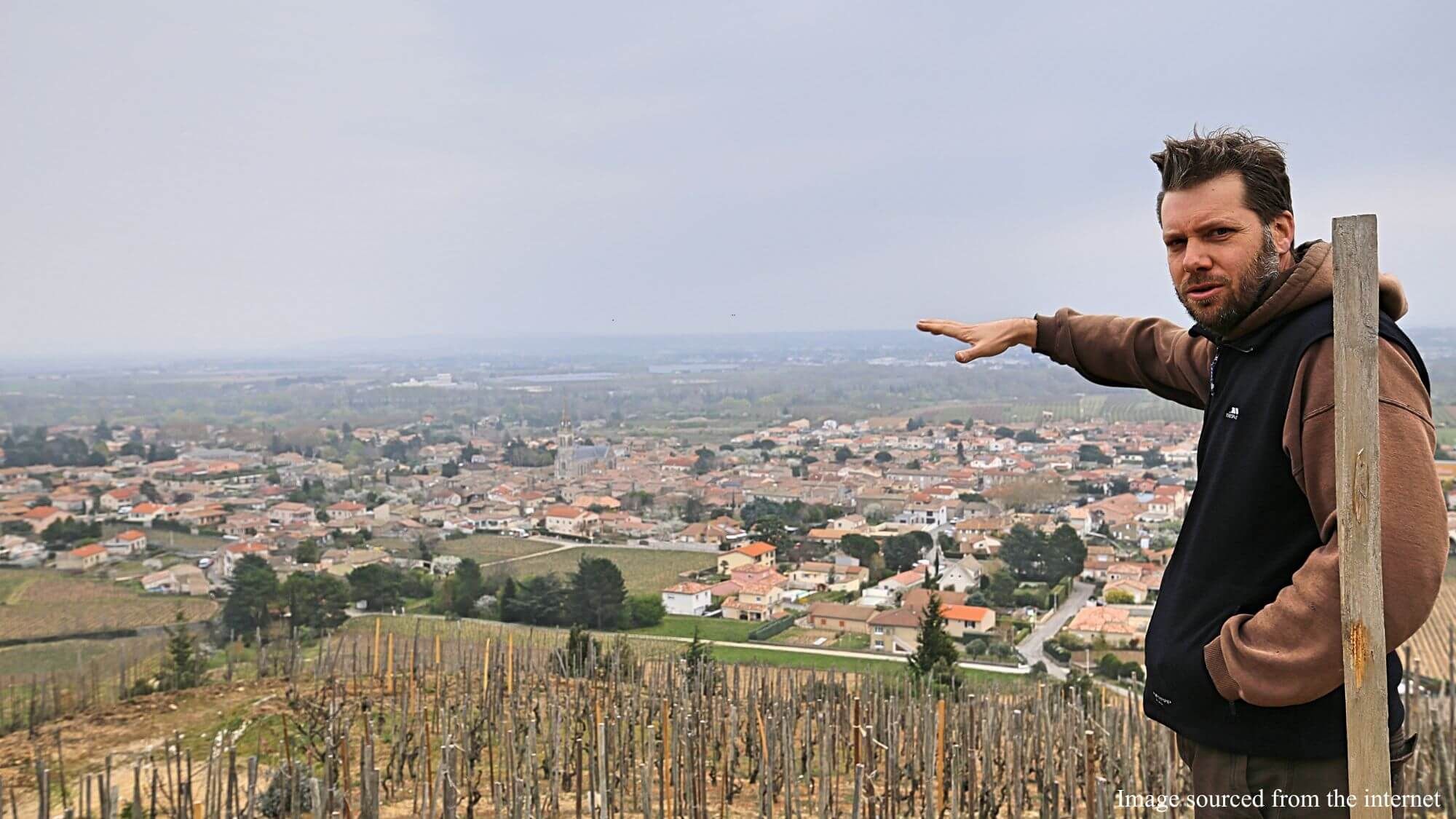
The Arrival of Auguste Clape
Yet fate seemed determined to keep testing the family. Henri Frugier had no son, and in 1925 the estate passed into the hands of his daughter, Antoinette Frugier. She was, by all accounts, a pragmatic woman. She had no grand ambition to “restore the glory of Cornas.” Her goal was far more grounded, perhaps even humble: to become the region’s largest supplier of bulk wine, selling to local négociants and restaurants in Valence.
The business did reasonably well, but there was one problem: Antoinette also had no son to carry the family estate forward.
Then fate intervened once again. Antoinette’s daughter, Henriette Rousset, married a young man named Auguste Clape.
I have always felt that Auguste Clape embodied a very traditional Rhône vigneron spirit. He was not the kind of man who spoke in elegant phrases, but once he believed in something, he pursued it with a stubbornness that bordered on obsession. After joining the family, the very first decision he made was to stop selling wine in bulk and begin bottling it himself.
Today, that may sound perfectly natural. But in Cornas at the time, it was considered almost madness. Few people believed Cornas was worthy of bottling, and even fewer imagined that this wild, animal-scented, mineral-driven Syrah could ever become a so-called “great wine.”
But Auguste Clape believed.
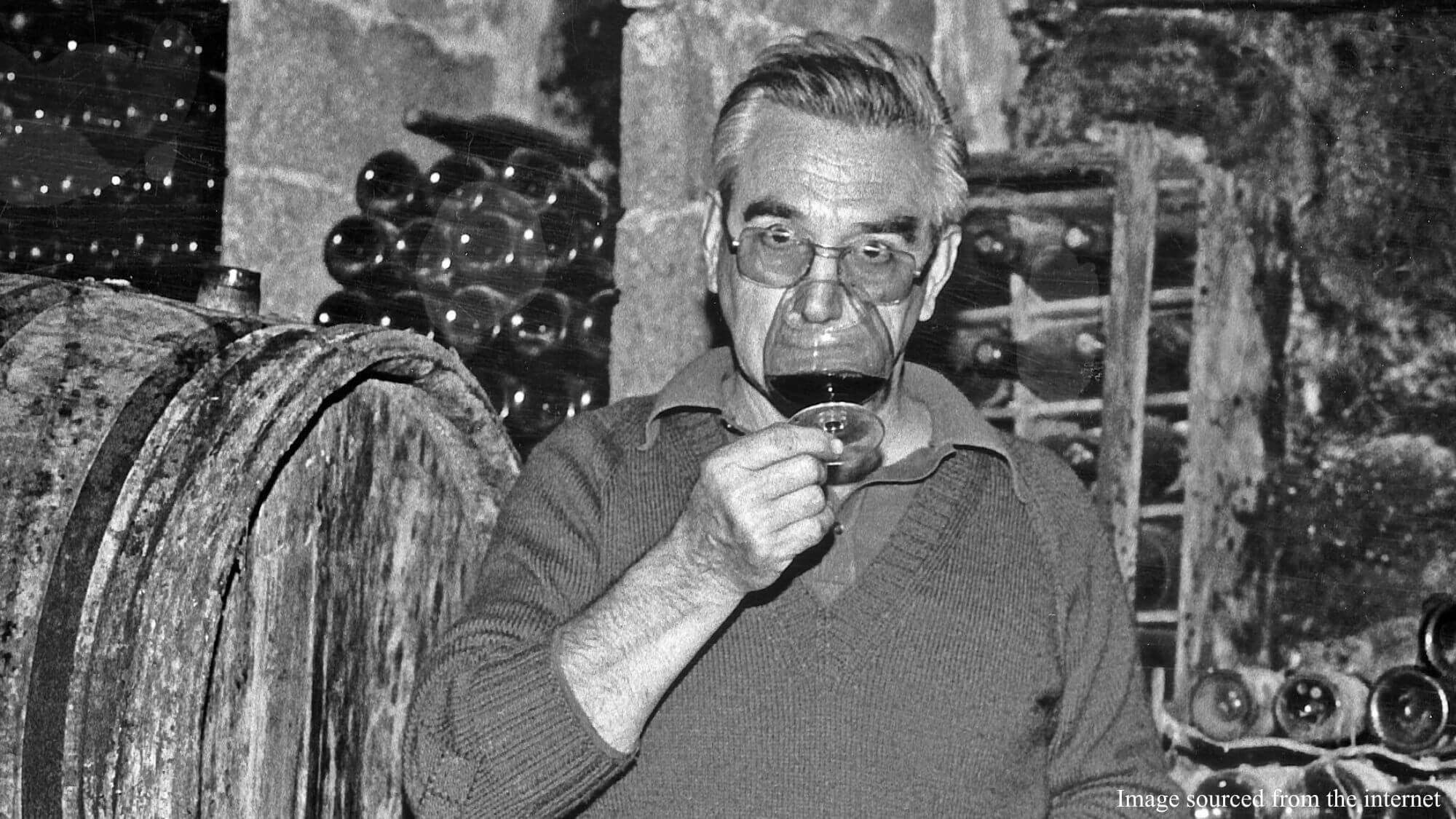
In 1955, he helped establish the Marché des Vins de Cornas, tirelessly promoting this tiny, nearly forgotten appellation beyond its borders. By 1968, when he fully took over the estate, he gradually abandoned cereal farming and redirected the family’s focus entirely back to the vineyards, especially the south- and southeast-facing granite slopes that would later become the heart of the domaine.
At the time, many growers no longer wanted to work these hillsides because the labor was simply too brutal. Machines could not climb the slopes, the gradients were dangerously steep, and even today some parcels still rely on mules and winches. Yet the Clape family persisted through three generations.
Honestly, every time I stand beneath those towering Cornas slopes and look upward, one phrase inevitably comes to mind: a real-life version of “the Foolish Old Man Moving Mountains.”
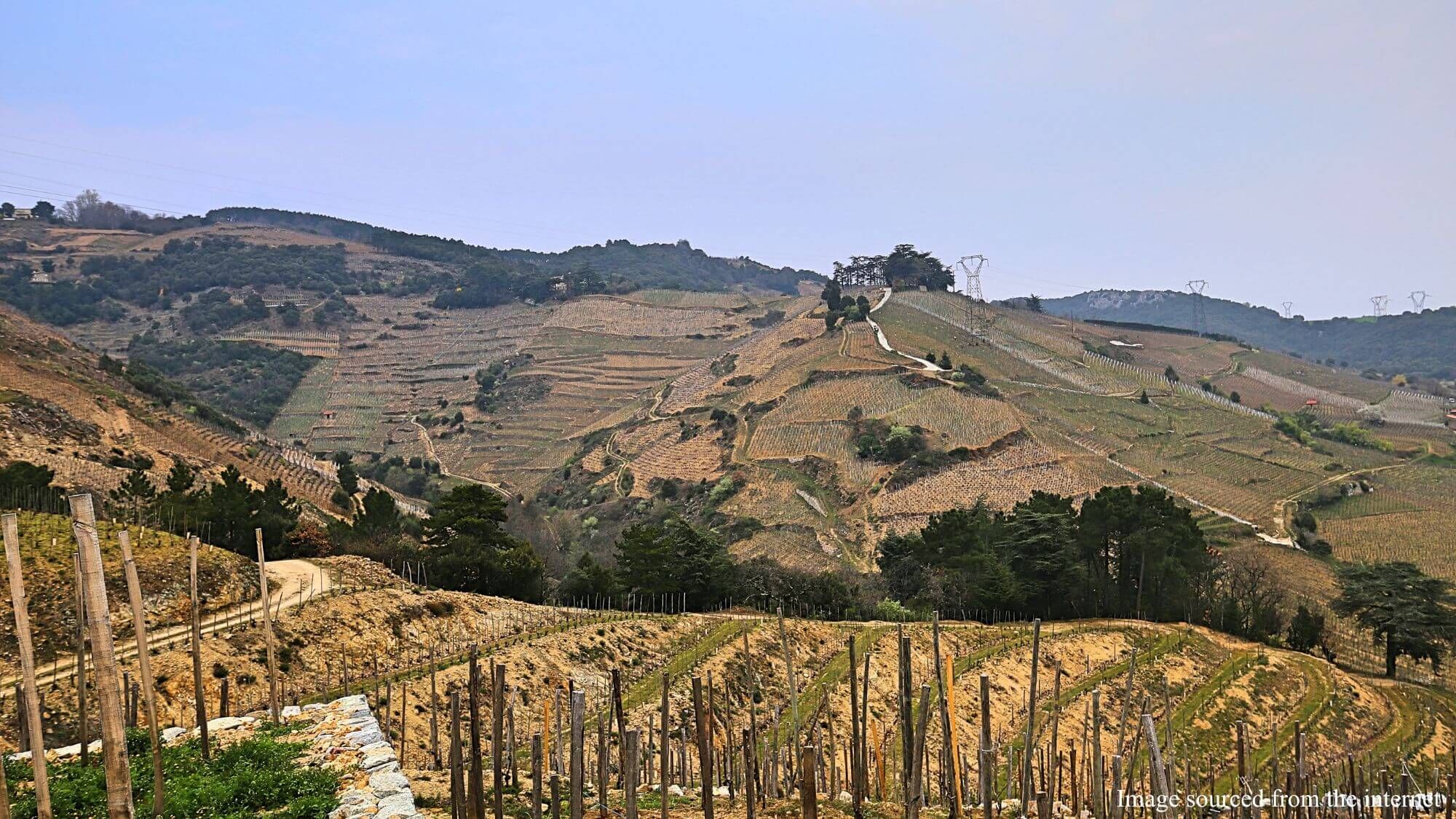
Today, the estate owns 9.3 hectares of vineyards spread across Reynard, La Côte, Sabarotte, Chaillot, Mazorier, Les Côtes, Patou, Le Calvaire, Tezier, and Saint-Pierre. Among them, Reynard, La Côte, and Sabarotte form the true spiritual core of Domaine Auguste Clape. Reynard in particular, with its dark granite soils, gives the wines that unmistakable sense of austerity, minerality, and smoky tension that has become one of Clape’s defining signatures.
Because of this intricate mosaic of terroirs, Clape has never been obsessed with the expression of a single vineyard. Instead, the family has always believed that a truly great Cornas should not merely showcase the “performance” of one parcel, but rather express Cornas as a whole. That is why, to this day, blending remains central to their philosophy. In many ways, it perfectly aligns with my own belief that blending, at its highest level, is the ultimate form of expression.
In practice, many estates ask themselves questions like: “Is this barrel powerful enough? Luxurious enough? Charming enough?” Clape, however, asks something entirely different: “Is this truly Cornas enough?” Three generations of the family taste together to decide the final blend. If a barrel shows fruit that feels overly sweet, or lacks enough minerality or sternness, it may be deliberately downgraded into Renaissance, no matter how high its intrinsic quality may be.
This is not a philosophy centered around the “genius” of one individual, but rather a collective search, across generations, for the purest expression of terroir.
That almost obsessive commitment extends throughout the entire winemaking process. 100% whole-cluster fermentation, native yeasts, aging in old 1000-liter foudres with almost no new oak, light egg-white fining, restrained use of SO₂…
Walking into the cellar feels like stepping into another era. The equipment appears almost excessively old-fashioned, the walls stained with wine and marked by decades of time. Nothing about it resembles a polished 21st-century winery. And yet, astonishingly, the wines they produce are often more elegant, more ethereal, and even purer than many of the modern-style Cornas wines of today.
The Second Generation: Pierre-Marie Clape
In 1988, Pierre-Marie Clape officially joined the estate as the second-generation head of the family. Before returning to Cornas, he had worked at the renowned Domaine Tempier in Bandol, as well as at Vieux Télégraphe in Châteauneuf-du-Pape. Compared with his father’s deeply instinctive, old-school Rhône grower mentality, Pierre-Marie was the one who truly began to bring greater structure, precision, and coherence to the entire domaine.
When people taste Clape today, what often strikes them is how the wines manage to preserve the untamed soul of traditional Cornas while displaying an almost unbelievable level of consistency. Especially across the past two decades of vintages, one thing becomes increasingly clear: regardless of the conditions of the year, the estate has maintained an extraordinary sense of structural integrity, balance, and identity.
In many ways, what we now recognize as the “Clape style” was truly shaped and firmly established during the Pierre-Marie era.

The Third Generation: Olivier Clape
When Olivier Clape officially joined the estate in 2002, the story became even more fascinating.
Unlike the generations before him, Olivier came with a distinctly international background. He had worked in Napa Valley, Australia, and New Zealand, and had been exposed to countless wines shaped by technical precision and highly internationalized aesthetics.
In many ways, this is often the most dangerous stage for a traditional estate. The third generation is usually the one most tempted to question tradition. Especially in an appellation like Cornas, whose identity is rooted in wildness, austerity, and rugged intensity, it would have been easy to soften the edges, polish the tannins, and steer the wines toward something more seductive, sweeter, and more modern.
Yet after seeing the world, Olivier ultimately became even more convinced of the path his grandfather and father had chosen.
He gradually came to understand that the world is not lacking in technically perfect wines. What has become truly rare are wines that still carry the personality of their place, the imprint of the grower, and even a touch of beautiful imperfection. So rather than changing Clape, Olivier chose to protect its soul even more fiercely. After all, once certain flavors disappear, they are almost impossible to recover.
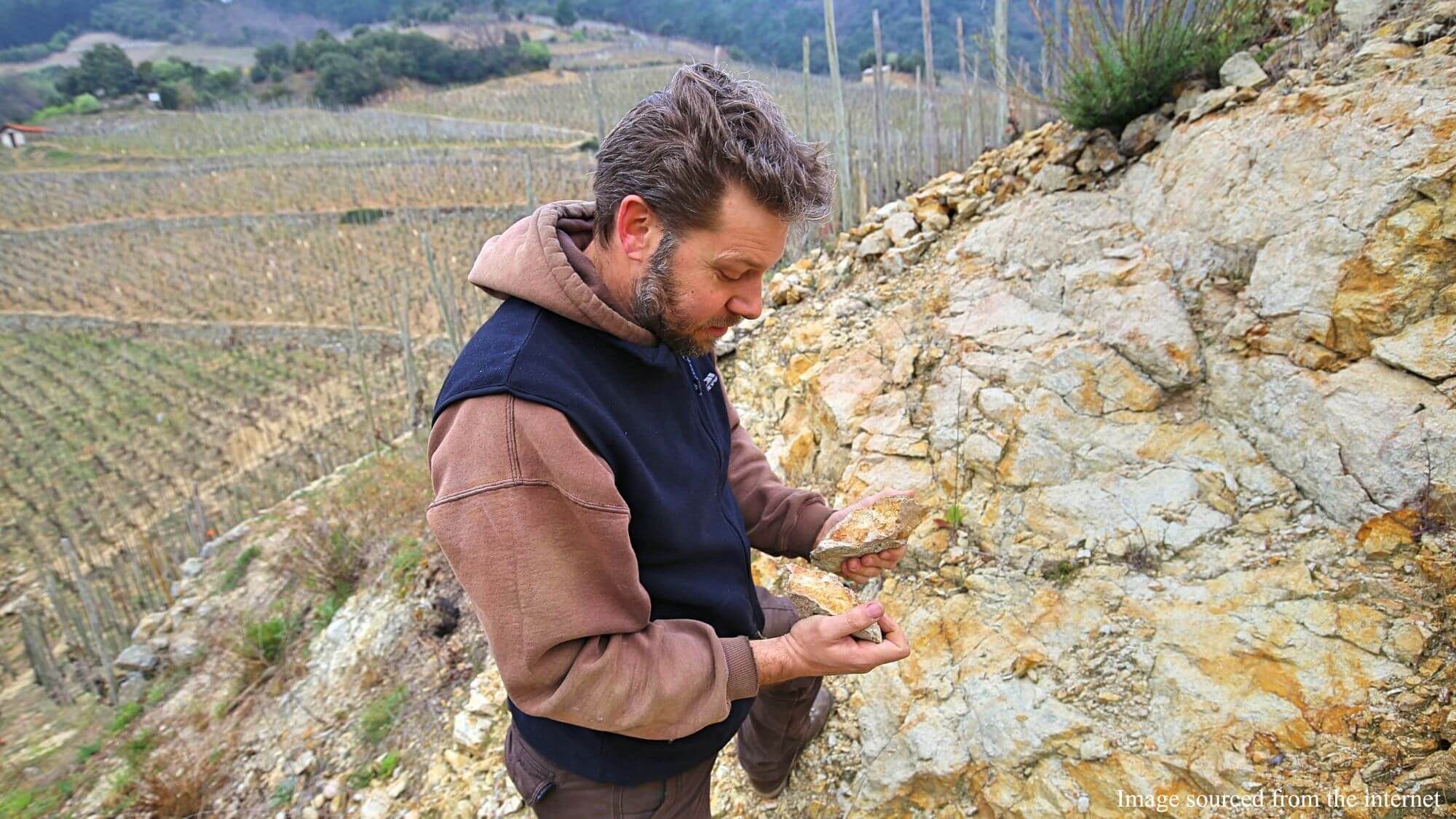
In 2018, Auguste Clape passed away at the age of 93. Then in 2025, Pierre-Marie Clape also suddenly left this world. Within the span of only seven years, two generations were gone. Olivier, who had long been protected and guided by his elders, suddenly found himself standing alone at the front line.
The era of three generations tasting together, blending together, and deciding the direction of the wines together had quietly come to an end. What remained was Olivier alone, guarding the slopes of Cornas.
And for a third-generation vigneron who grew up beside both his grandfather and father, what he inherited was never merely a winery. What he inherited was an entire chapter of Cornas itself.
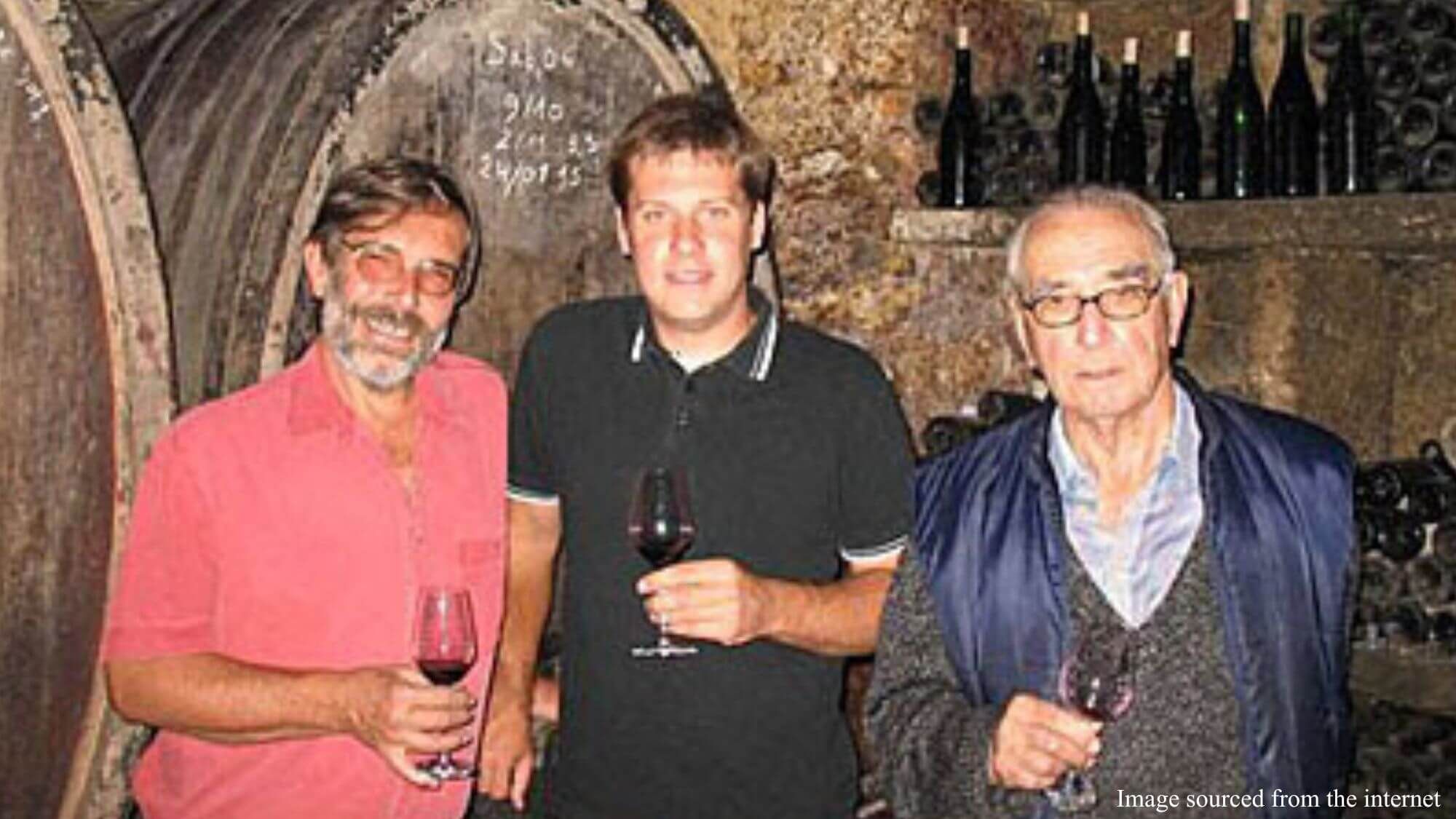
Although the first vintages fully directed by Olivier have not yet been released, everything I have seen over the past two decades of the three generations working side by side, along with Olivier’s deep understanding of traditional Cornas, gives me confidence that the future of Domaine Auguste Clape will continue to offer that unmistakable Clape signature.
A singular taste that is becoming ever rarer, and impossible to replicate.