
AMA Vertical Tasting
Tenuta di Biserno
(2008-2023)
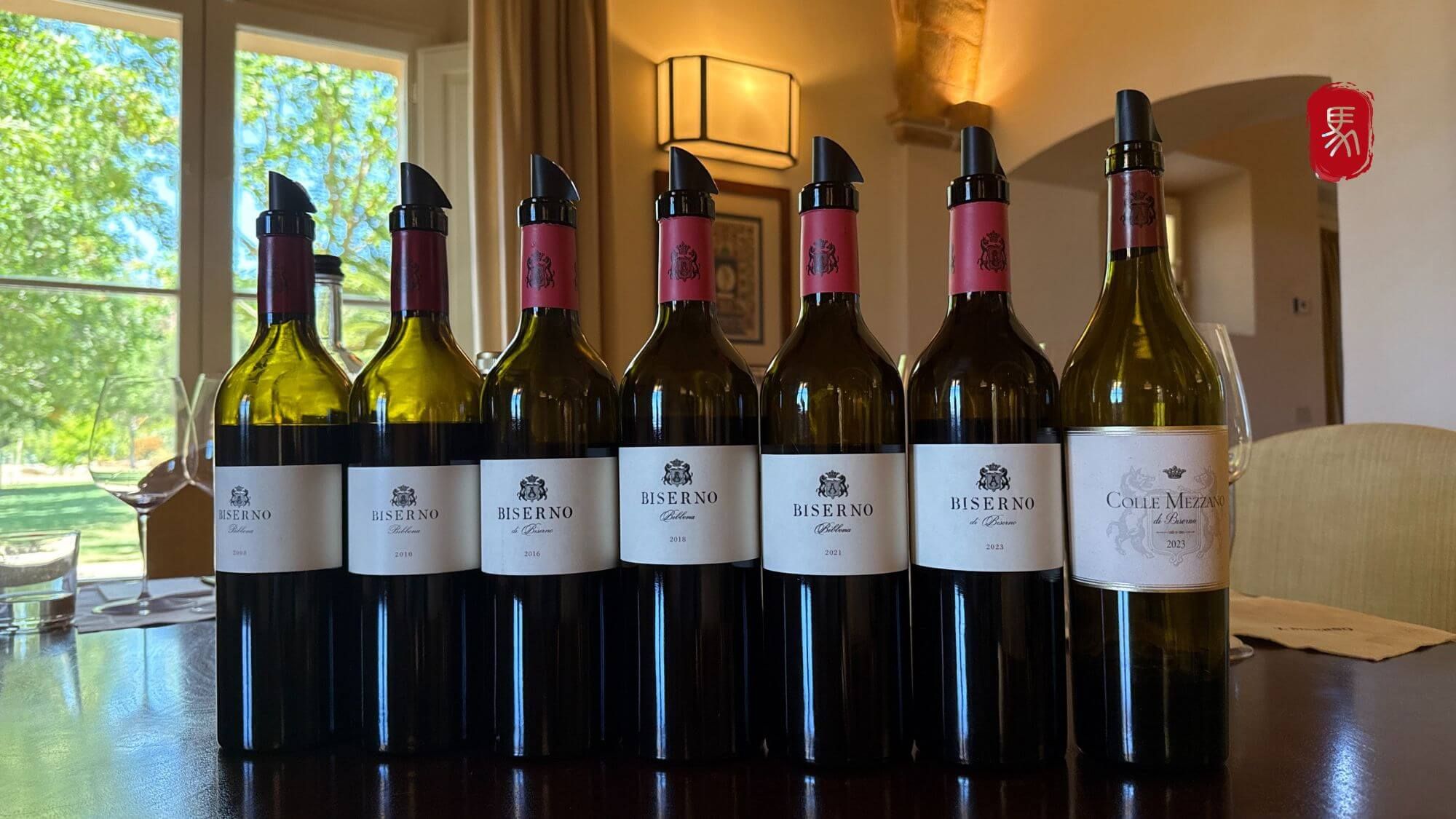
In early June, before the most intense heat of the Tuscan summer arrived, I spent a week exploring the region and visiting its wineries.
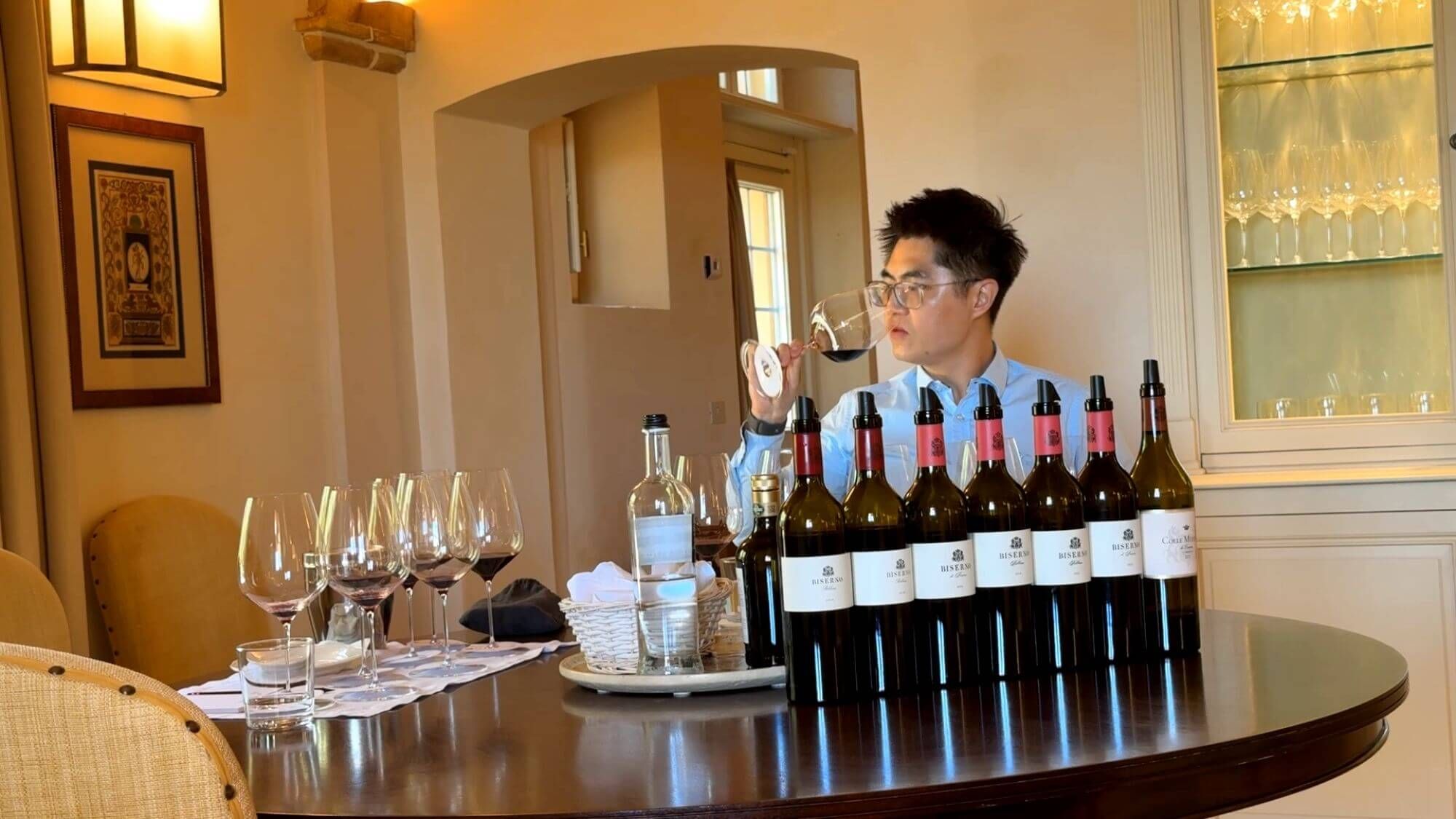
My itinerary was already drawing to a close, but before setting off, I decided to stay one extra day. I had arranged a vertical tasting with Niccolò Marzichi Lenzi, the current family steward of Biserno, and I had long wanted to use this opportunity to gain a deeper understanding of a rising star that has never once disappointed me.
As it turned out, there could hardly have been a better way to conclude this journey through Tuscany.

Over the years, I have tasted Biserno many times. It has always felt different from many of the “Super Tuscans” I know. Along the Tuscan coast, the sun is generous and direct, and many estates seem content to bottle that sunshine itself. Biserno, however, has always carried a remarkable sense of freshness. Beneath its ripe black fruit, there are often notes of fresh bay leaf, rosemary, and sage. You can feel the ripeness and vitality bestowed by the Mediterranean sun, yet never find yourself overwhelmed by them.
That is precisely why I came to the estate this time. Through a vertical tasting spanning more than a decade, I wanted to see how Biserno has evolved over the years. More importantly, I hoped to answer a question that had intrigued me for a long time: where does this distinctive sense of freshness truly come from?
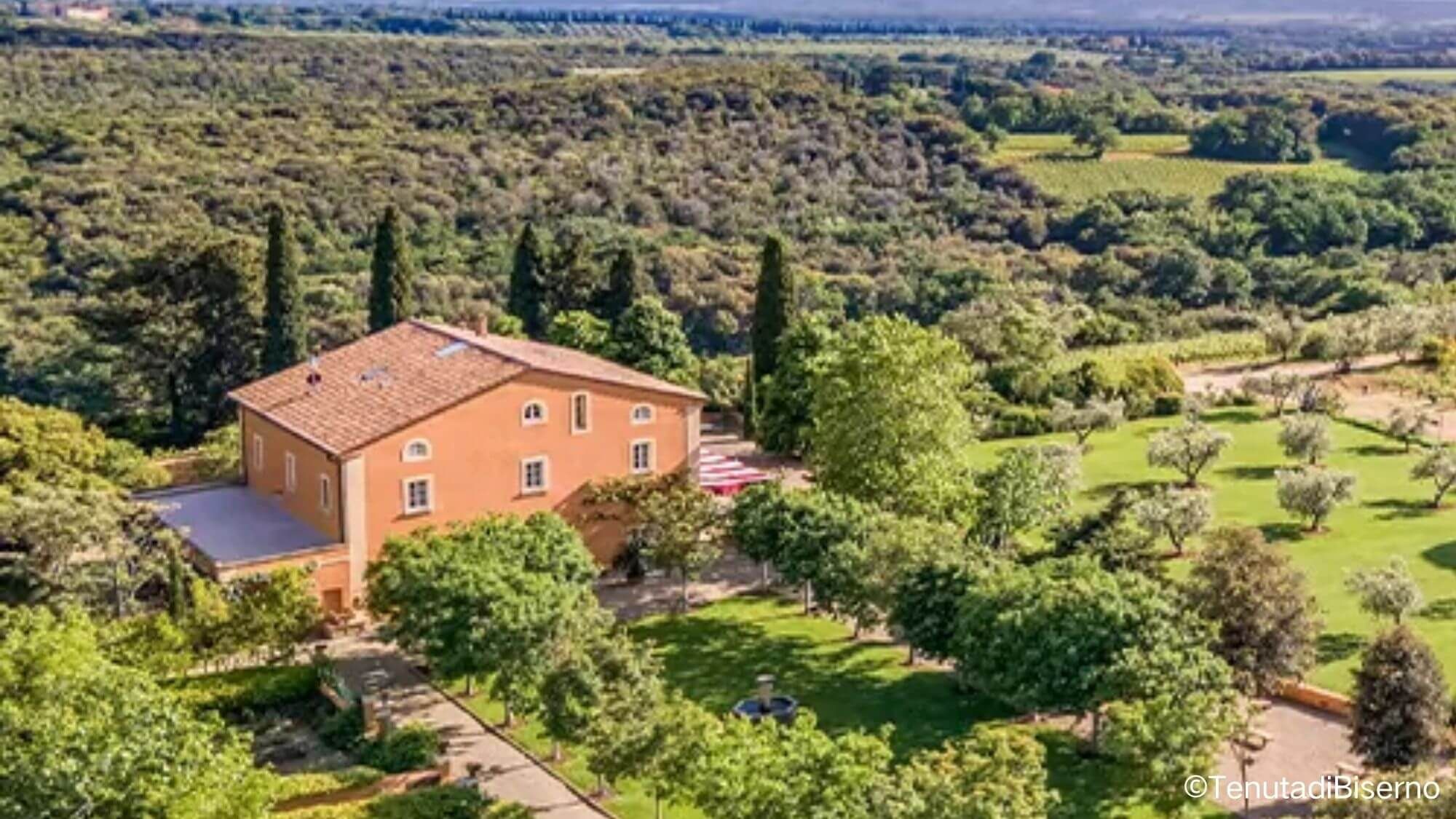
AMA SNAPSHOT of Tenuta di Biserno
Here are my key takeaways from this vertical tasting:
1. 2008–2015: A clear reflection of the era’s prevailing style
The early vintages of Biserno bear the unmistakable imprint of their time. Extraction was more assertive, the influence of new oak more pronounced, and the overall style placed greater emphasis on structure, concentration, and power, in line with the rich and opulent Super Tuscan wines that were highly sought after by the international market during that period.
2. From 2011 onward, acidity gradually became a defining signature
Beginning around the 2011 vintage, acidity started to play a much more prominent role. It was no longer merely a structural component supporting the wine’s framework, but increasingly became a key source of energy, balance, and length. Over time, it evolved into one of the estate’s most distinctive hallmarks.
3. The 2016 vintage marked a major turning point
The 2016 vintage represents a pivotal moment in Biserno’s stylistic evolution. The fruit became more precise and clearly defined, the acidity brighter and more expressive, while the character of Cabernet Franc emerged with greater confidence. From this point onward, the estate gradually shifted its focus from sheer power toward balance and a more nuanced expression of terroir.
4. The 2021 vintage stands as the definitive expression of the estate’s modern style
In 2021, concentration, depth, and precision come together with remarkable harmony. Cabernet Franc reveals its full elegance and complexity, resulting in a wine that perfectly captures the direction Biserno has been pursuing in recent years. If I could recommend only one vintage, I would choose Biserno 2021 without hesitation.
5. The coexistence of ripeness and freshness is a constant across all vintages
Despite consistently generous ripeness levels and relatively high alcohol, every vintage retains a distinctive herbal character. Notes of bay leaf, rosemary, and sage run like a thread through the entire vertical, creating a uniquely Mediterranean sense of freshness that is immediately recognizable as Biserno.
6. Even in cooler years, the wines achieve impressive ripeness
The 2010 and 2018 vintages are among the best examples. Although the growing season progressed more slowly, both wines achieved excellent ripeness and completeness. This ability to reach full maturity even in challenging years speaks volumes about the strength and consistency of the Biserno terroir.
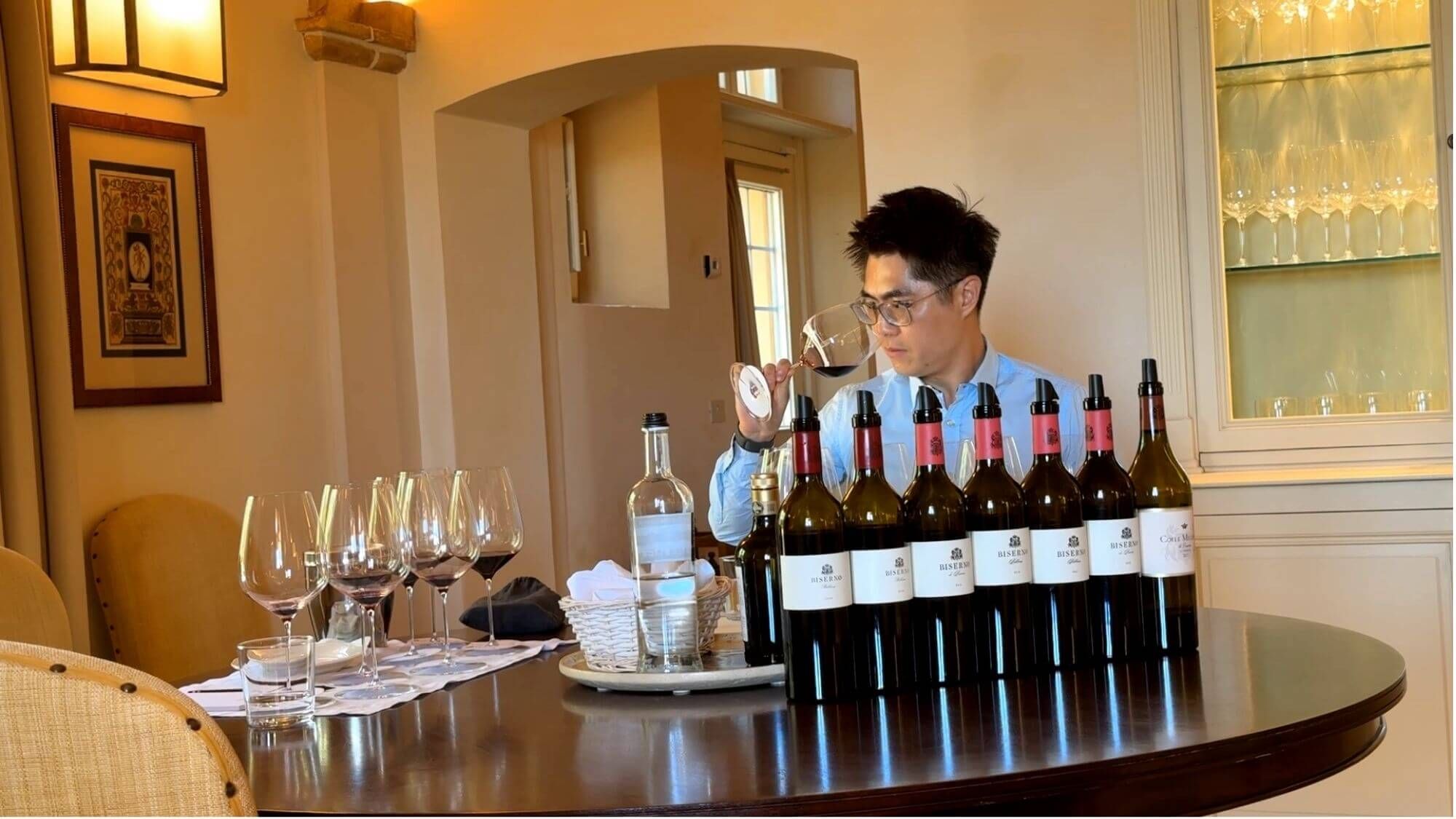
Why Would the Man Who Sold Ornellaia Start All Over Again?
If this vertical tasting left me increasingly convinced that Biserno has truly found its identity, the next question naturally follows: where did it all begin?
The answer revolves around one name: Lodovico Antinori.
In the Italian wine world, Lodovico Antinori is often described as a “discoverer of terroirs.” Without him, there would be no Ornellaia and no Masseto. Biserno, meanwhile, is the project he embarked upon after selling Ornellaia and beginning a new chapter.
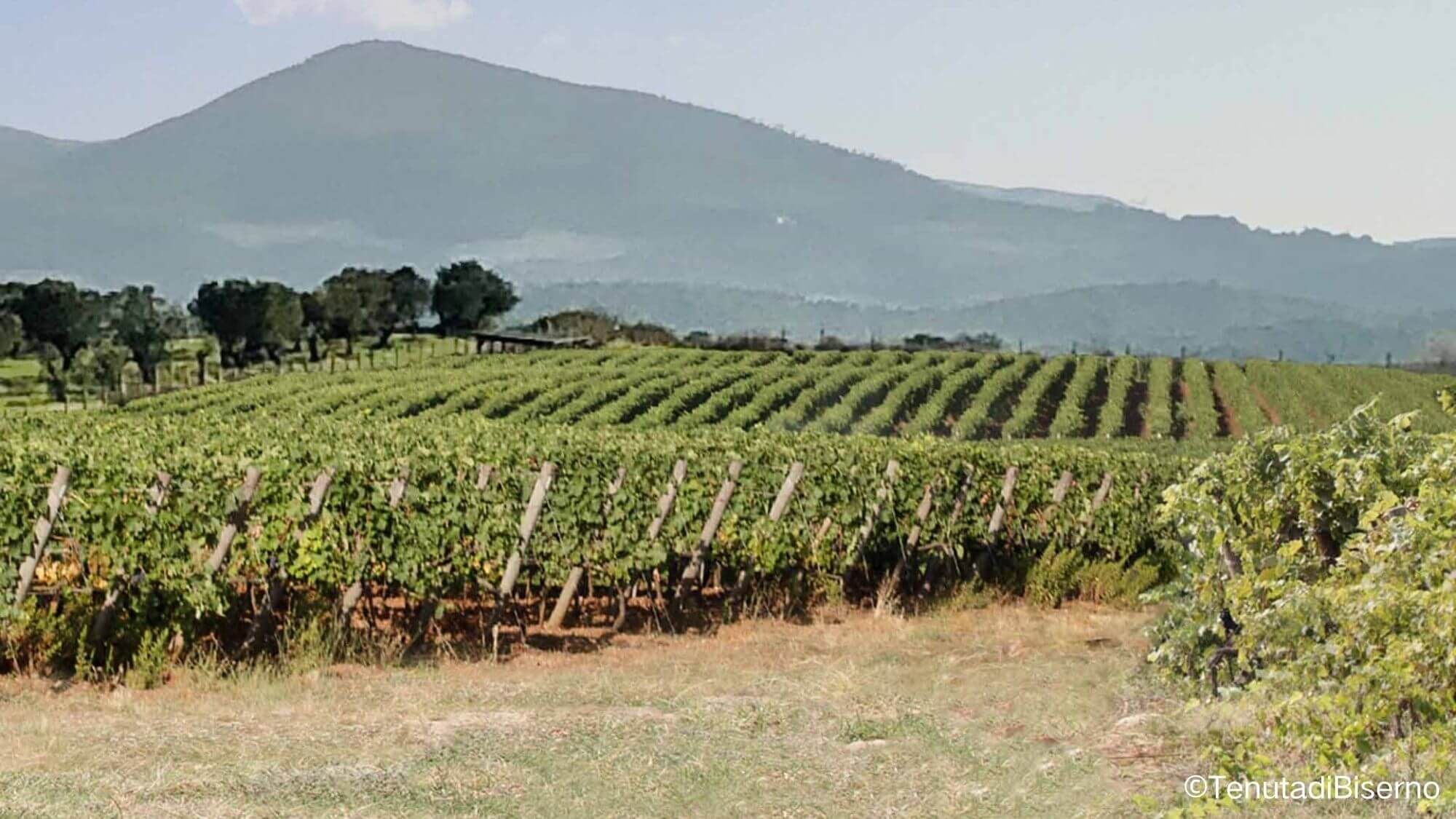
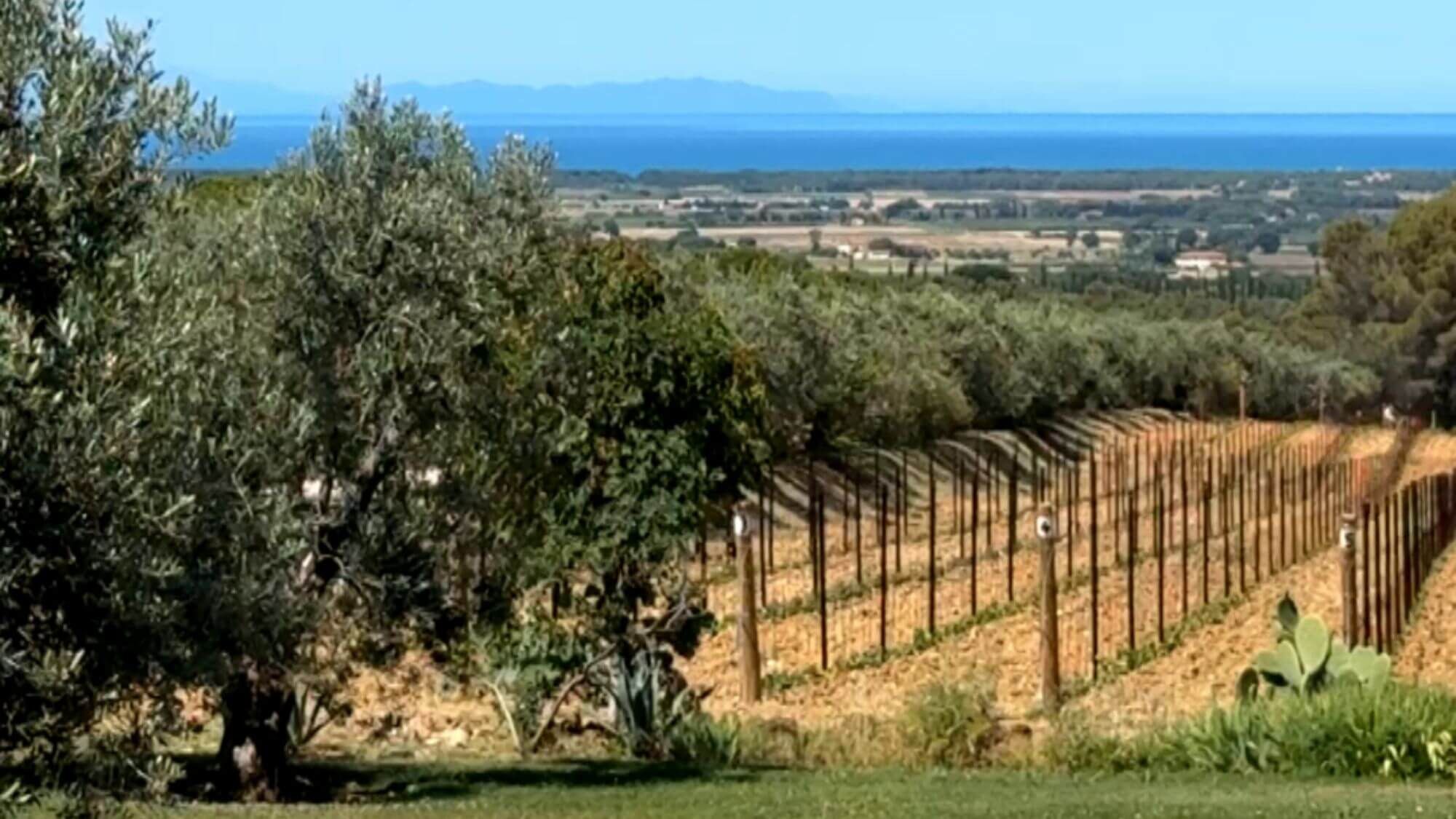
In the mid-1990s, Lodovico was initially searching for additional vineyard land for Ornellaia. But when he arrived in Bibbona, he discovered a landscape unlike anything he had encountered in Bolgheri. The soils were remarkably complex, combining limestone, marine sediments, blue clay, and gravel within the same area. The vineyards also sat at higher elevations, enjoyed a cooler climate, and benefited from a more varied topography.
Years later, he recalled that the site was simply too extraordinary to become merely another vineyard for Ornellaia.
It deserved a project of its own.
And so the vision for a new estate was born.
What makes the story even more compelling is that, this time, Lodovico invited his brother, Piero Antinori, along with his nephew, Niccolò Marzichi Lenzi, to join the venture. For a family that had previously given the wine world such iconic names as Tignanello, Solaia, Ornellaia, and Masseto, Biserno feels less like a new beginning and more like a long-awaited family reunion, brought together once again by a shared belief in a remarkable piece of land.
What Makes the Biserno Terroir So Special?
Biserno is located in the commune of Bibbona. While it lies only a short distance from Bolgheri, the logic of its terroir is fundamentally different.
The first key factor is elevation.
Most of Biserno’s vineyards are planted between 50 and 120 meters above sea level, with some parcels rising beyond 150 meters. By comparison, many of Bolgheri’s most renowned vineyard sites sit at elevations of only 20 to 50 meters.
That difference may seem modest on paper, but in a Mediterranean climate, a few dozen meters can make a meaningful impact. Higher elevations bring greater diurnal temperature variation, allowing the grapes to retain more acidity while preserving delicate floral notes and aromatic spice.
The second defining element is the influence of the sea.
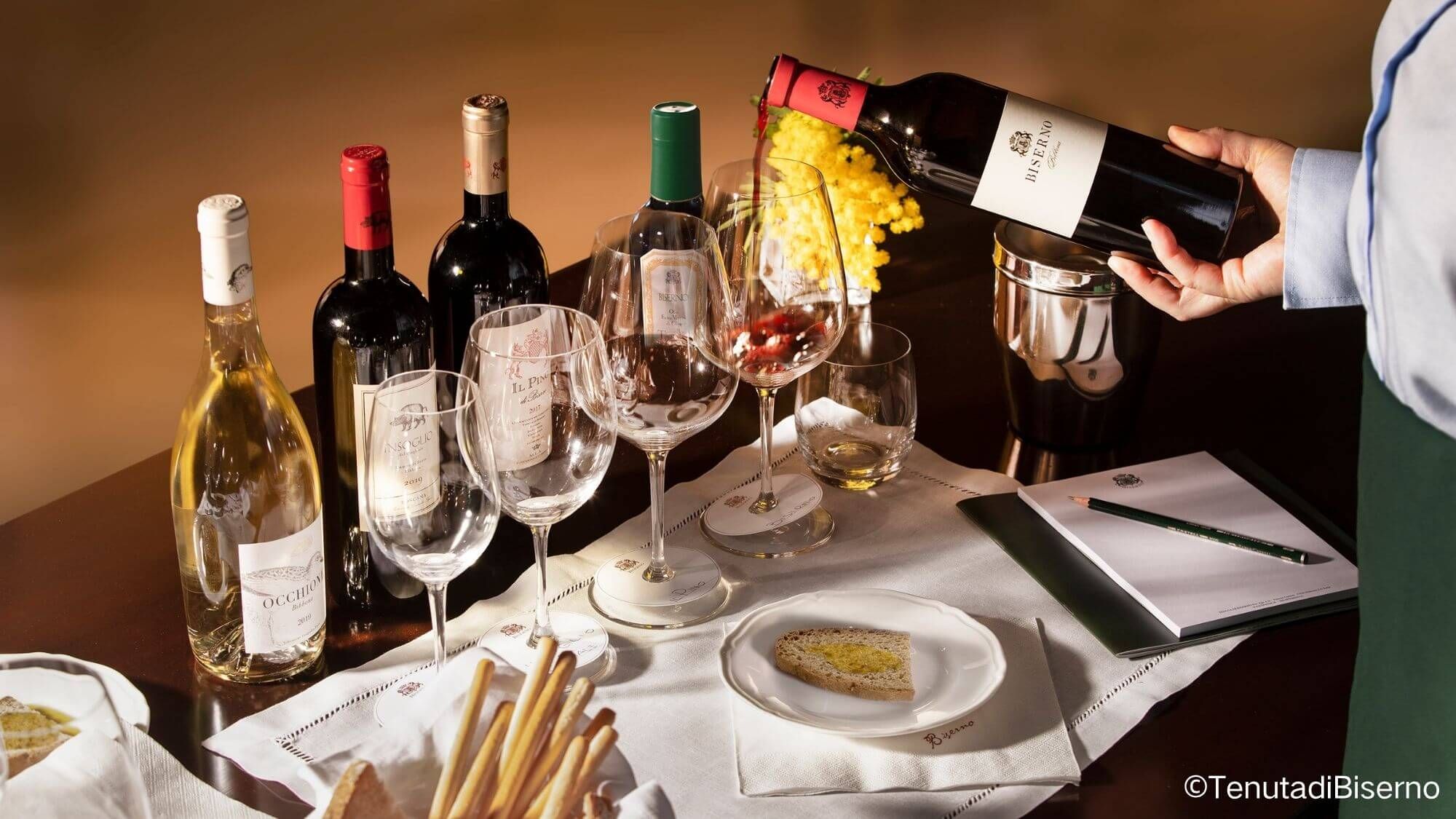
Standing among the vineyards, you can see the distant waters of the Tyrrhenian Sea. Each afternoon, cooling breezes sweep inland through the valleys from the coastline. These maritime winds do more than moderate temperatures; they help the grapes achieve full ripeness while maintaining freshness and vitality.
This is precisely why Biserno’s wines, despite often reaching generous levels of ripeness and alcohol, rarely feel heavy or overheated. Instead, they retain a sense of energy and lift that has become one of the estate’s most distinctive characteristics.
Why Cabernet Franc Is the Real Ace?
One of the most striking observations from this vertical tasting was the increasingly prominent role played by Cabernet Franc. From the 2016 vintage onward in particular, the floral aromas became more precise, the herbal notes more vividly defined, and the wines took on a longer, more graceful shape across the palate.
What is especially interesting is that this was not the result of a deliberate stylistic decision by the winemaking team. Rather, it emerged naturally as the estate gained a deeper understanding of its terroir.
When Lodovico Antinori first arrived in Bibbona, he assumed, like many others would have, that Cabernet Sauvignon would become the dominant variety. Yet as the vineyards matured and their character became clearer, it was Cabernet Franc that proved most capable of expressing the true personality of the site.
Compared with Bolgheri, Bibbona is higher in elevation, cooler in climate, and home to a significant proportion of limestone-rich soils. Under these conditions, Cabernet Franc is able not only to achieve full ripeness, but also to preserve its captivating floral aromas and the distinctive herbal freshness that seems to weave together the scents of the Mediterranean landscape itself.
To me, this is one of the qualities that makes Biserno stand apart within the broader family of Super Tuscans.
From Michel Rolland to Niccolò: How Biserno Learned to Speak in Its Own Voice
If the rise of Cabernet Franc helps explain why Biserno has become increasingly distinctive, then the evolution of its winemaking philosophy explains why it has grown ever more elegant.
During our conversation, Niccolò Marzichi Lenzi shared an analogy that I found particularly insightful. He believes that making Biserno is much like cooking pasta: the ideal moment is al dente. You take the pasta out while there is still a slight firmness at its core, allowing the residual heat to complete the final stage of cooking. If you wait until it is fully cooked in the pot before removing it, the result will inevitably become soft and overdone. It is such a wonderfully Italian way of looking at things, and perhaps only an Italian could draw a winemaking lesson from pasta with such conviction.
In his view, wine follows the same principle. Pursuing ever greater ripeness, concentration, and power does not necessarily lead to a greater wine. On the contrary, preserving a measure of tension and leaving space for the wine to breathe often gives the terroir a better opportunity to express itself.
Looking back at this vertical tasting, the shift in philosophy is strikingly clear.
The earlier vintages of Biserno still carry the imprint of the Michel Rolland era, with a greater emphasis on extraction, new oak and structure.
From 2021 onward, however, a new direction begins to emerge. While retaining the warmth and ripeness shaped by the Mediterranean climate, the estate has gradually brought its terroir and the very essence of Cabernet Franc to centre stage.
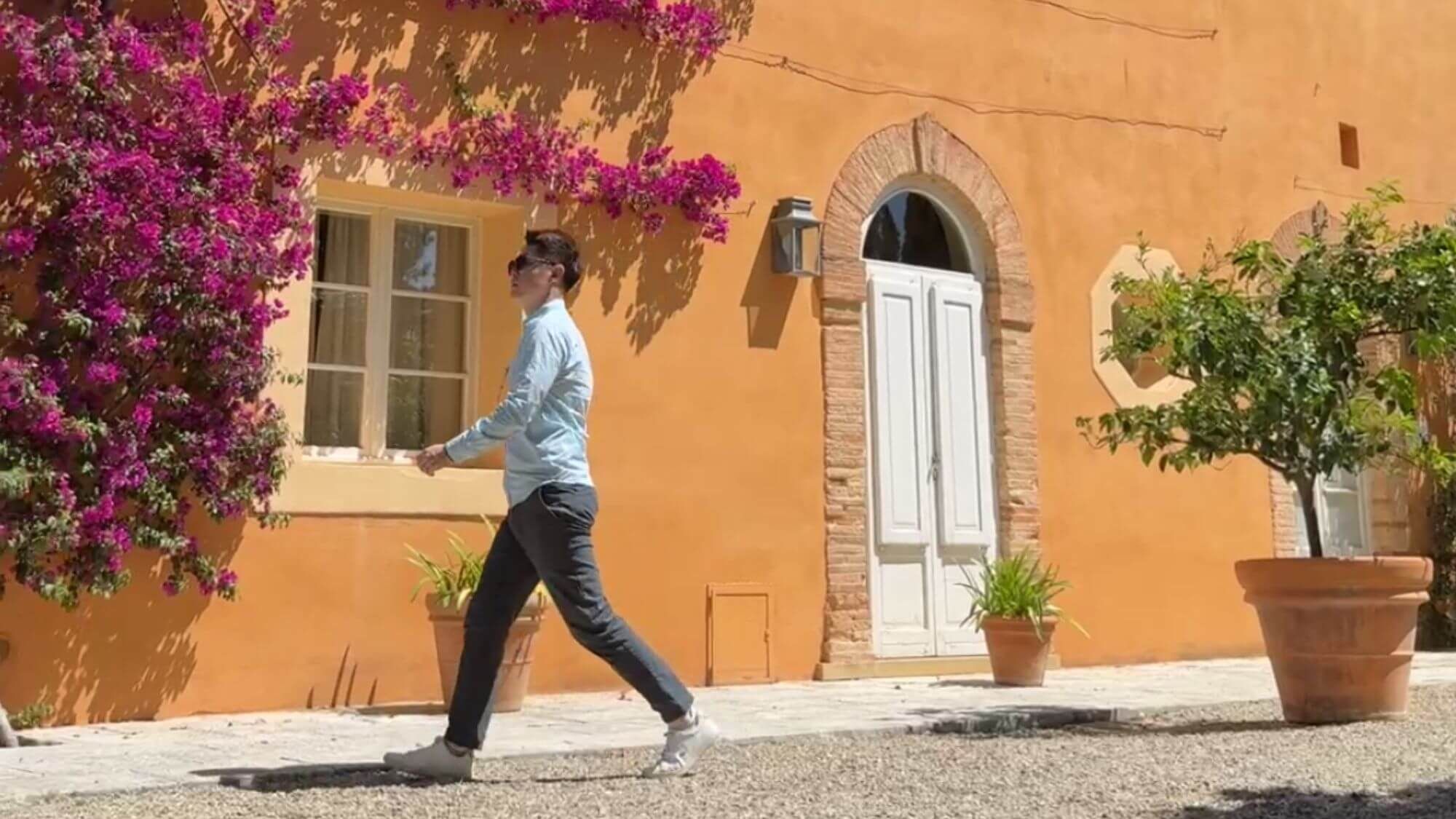
After completing this vertical tasting, I found myself thinking: what makes Biserno so exciting has never been the prospect of becoming the next Ornellaia, nor the next Masseto. It is about continuing to move forward and, along the way, finding a language and a way of expressing itself that are entirely its own.
From the moment Lodovico discovered this land in Bibbona, to the distinctive identity of Cabernet Franc today, and now to an increasingly clear expression of terroir, what Biserno is ultimately creating is a memory that belongs to Biserno alone.