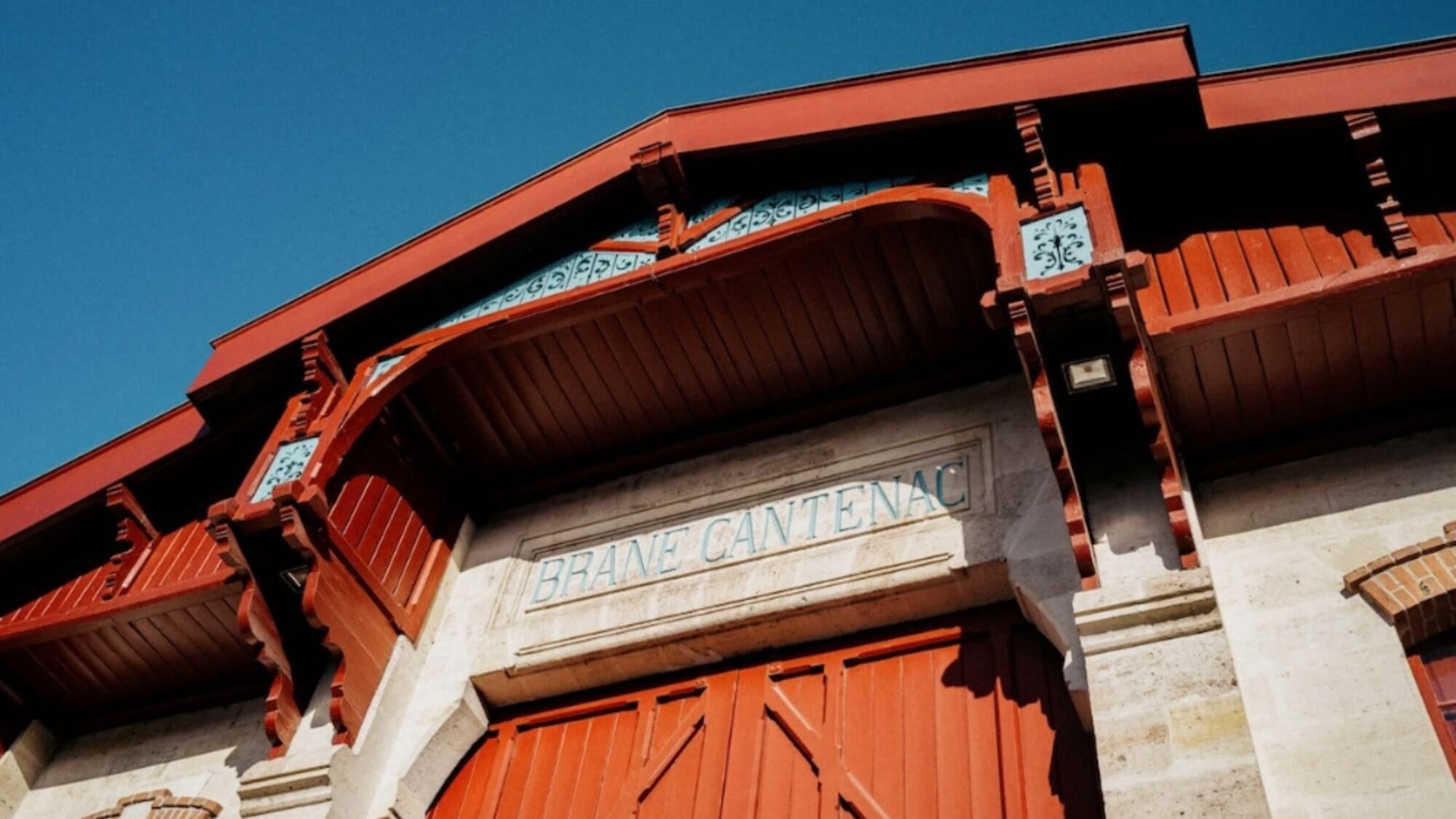
AMA Vertical Tasting
Château Brane-Cantenac
(1992-2023)
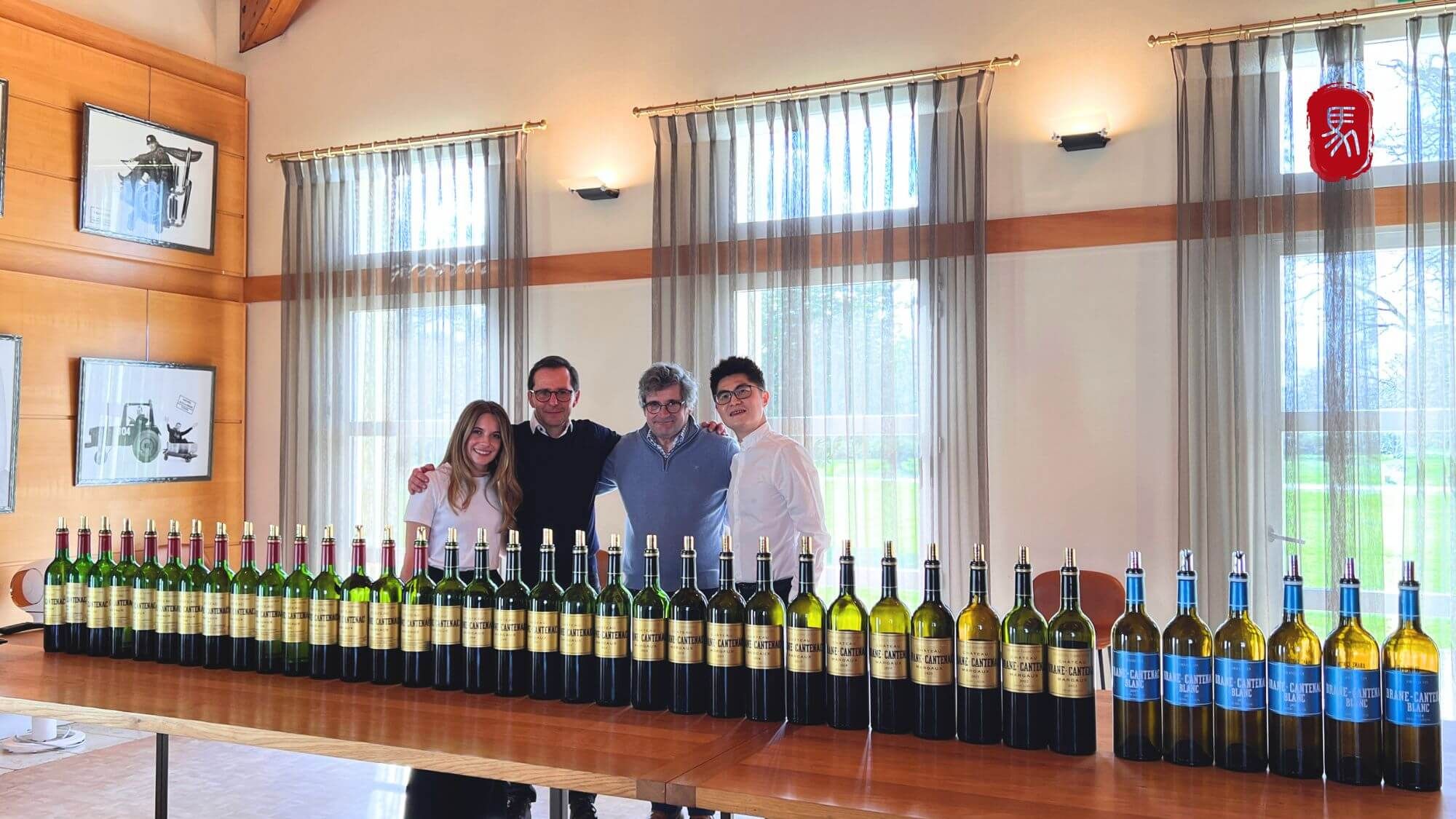
If you asked me which estate could become Bordeaux’s next “Super Second,” my answer would come without a second of hesitation: Château Brane-Cantenac.
Over the past few vintages, this quietly understated Margaux estate, never particularly flashy in the Chinese market, has won me over time and time again with its calm confidence and unmistakable old-money elegance. Since the 2019 vintage, regardless of the conditions of the year, Brane-Cantenac has consistently delivered performances that surpass expectations. And when the extraordinary 2022 vintage arrived, with every possible element perfectly aligned, the estate revealed itself in such a complete and undeniable form that, for the first time, I truly felt it possessed the stature to stand face-to-face with the First Growths.
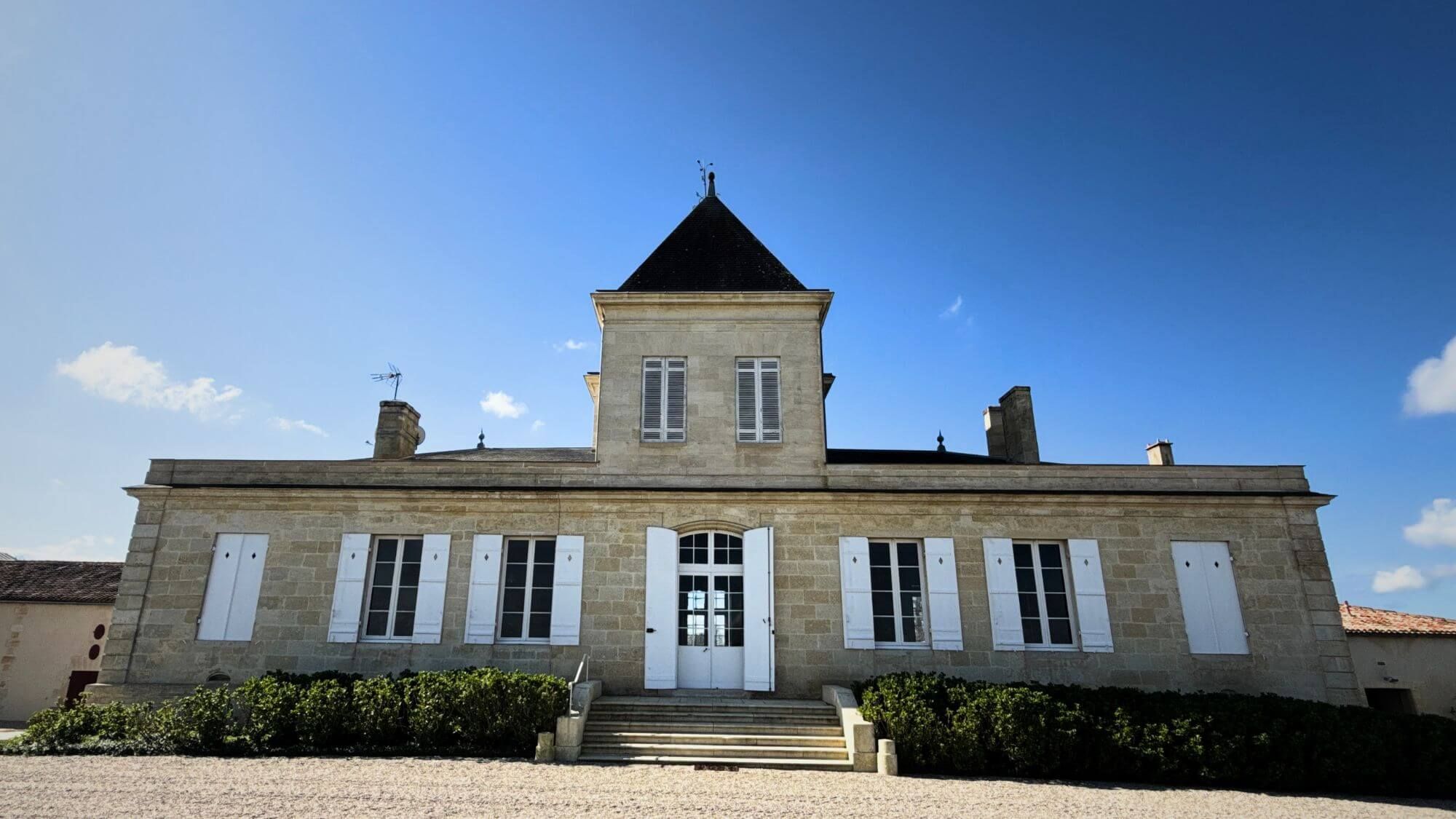
Last September, the château hosted a special tasting to celebrate the centenary of the Lurton family’s stewardship of Château Brane-Cantenac from 1925 to 2025. At the time, however, I was traveling across China for the AMA Selection China Tour and simply could not attend. That regret lingered with me for months, constantly sitting in the back of my mind.
When the estate team learned how disappointed I was, they decided to arrange a private tasting just for me.
My goodness… the day I received the invitation, I was genuinely overjoyed. I even dreamed about doing a vertical tasting of Château Brane-Cantenac a full week before it happened. So perhaps it really is true: when something stays in your heart long enough, life eventually answers back.
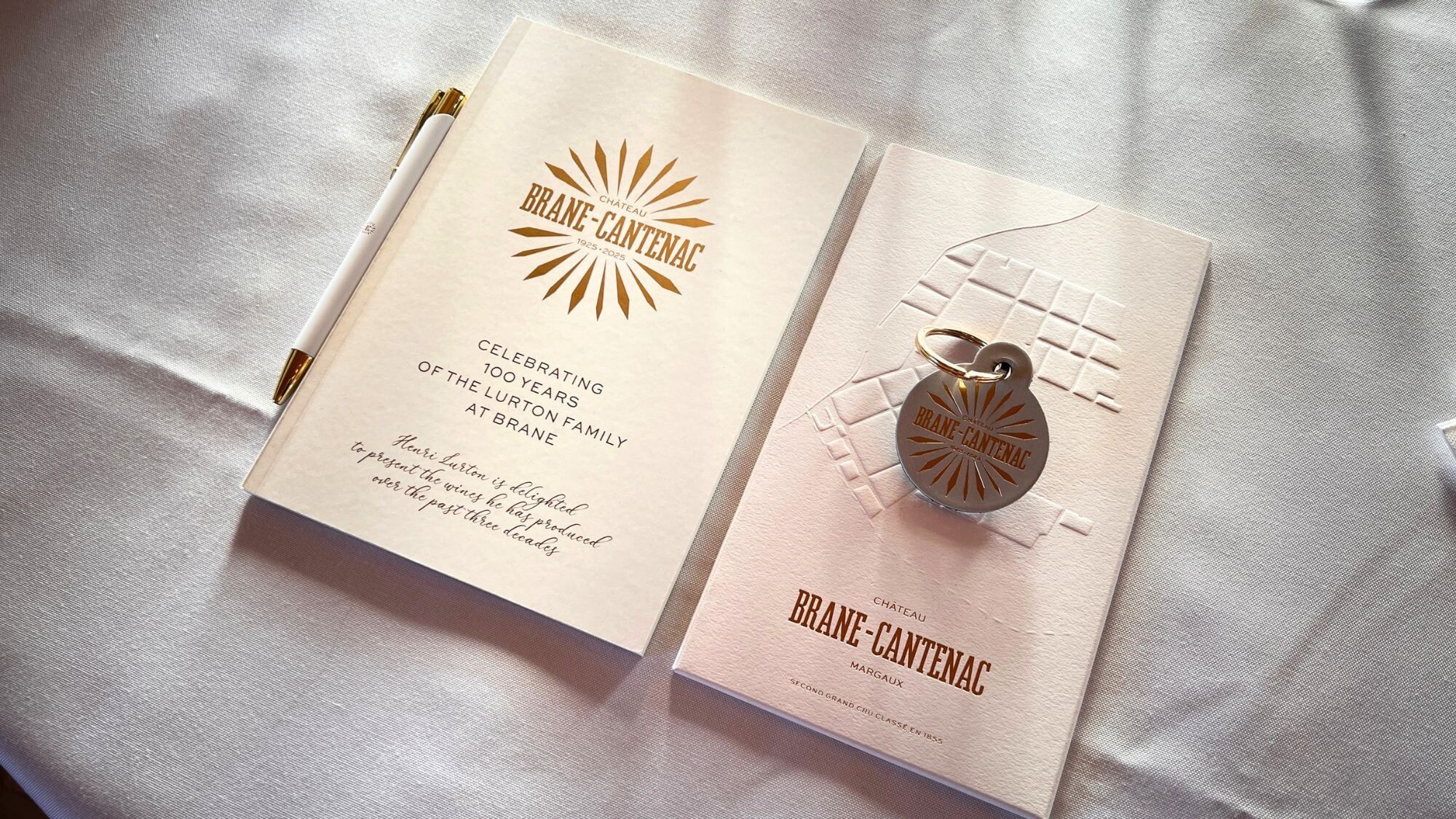
AMA Snapshot of Château Brane-Cantenac
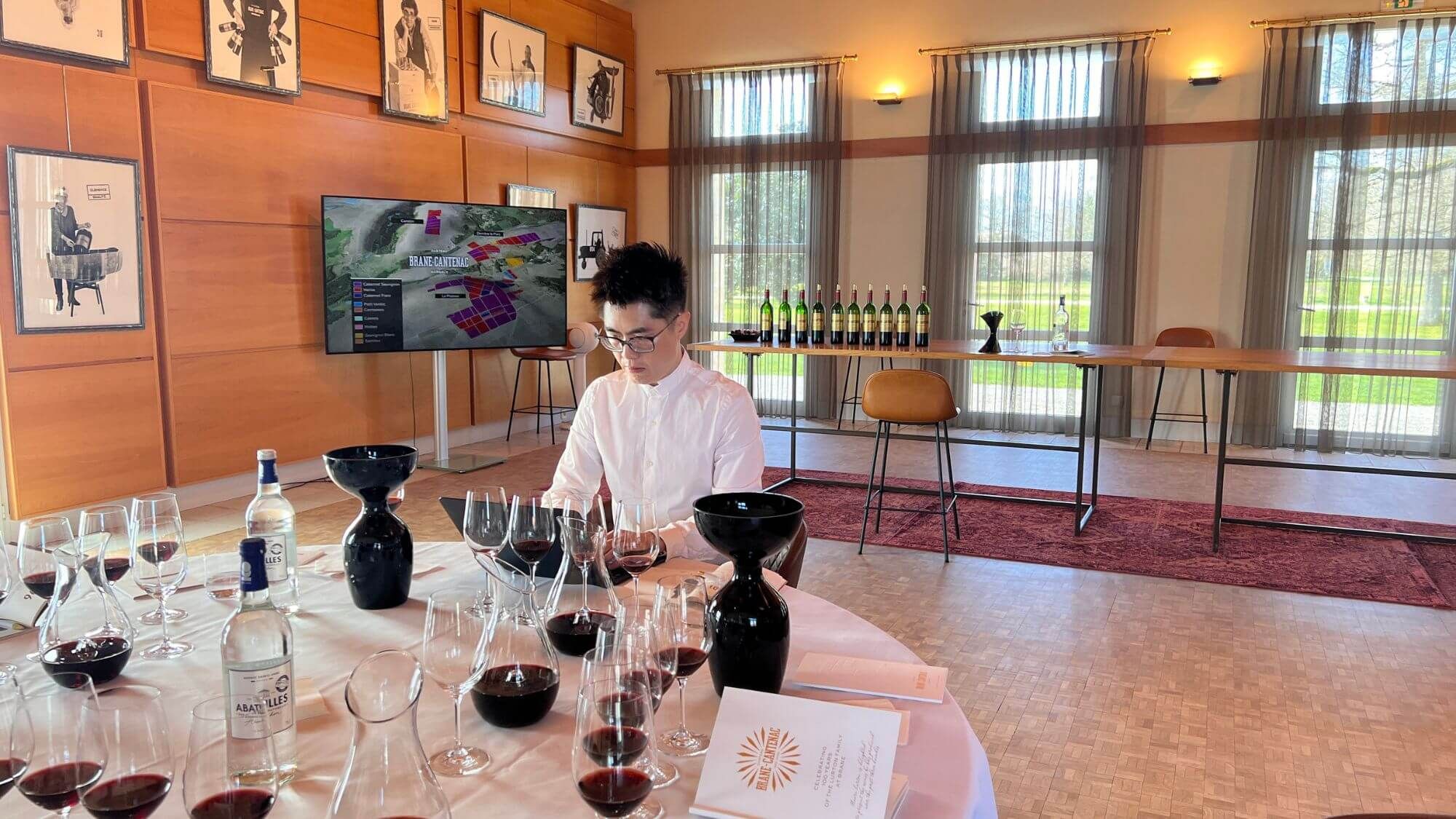
First of all, I would like to sincerely thank Château Brane-Cantenac for their warm invitation. Although I had tasted the wines many times before, this was the very first time I experienced a complete vertical tasting from 1992 all the way to 2023 without missing a single vintage.
And it was precisely through this tasting that I, as a true wine obsessive, finally began to fully grasp the stylistic DNA of Château Brane-Cantenac and, more importantly, the remarkable strength of its terroir.
Before diving deeper into the story of the estate, let me begin, as always, with a few key impressions from the tasting itself.
1. One of the Médoc estates with the strongest “old money” character
Its style has never truly bent to the changing tides of fashion. Regardless of vintage variation, Brane-Cantenac consistently preserves an unmistakably aristocratic identity: cold fireplace ash, graphite powder, cedarwood, pine needle, mint, and cool spices form its unwavering signature. Freshness and vibrant acidity are almost always present as well.
2. An estate that proves its greatness in difficult vintages
1992, 1997, 2002, and 2021 are perfect examples. Even when the wines are not massive in scale, they still possess enough structure, acidity, and terroir expression to uphold the entire architecture of the wine. With age, they often become deeply rewarding. In some cooler vintages, the wines even develop black truffle aromas more commonly associated with warmer years, such as in 2002 and 2011, which is remarkably rare.
3. Aging brings the wine into “high-definition mode”
In youth, the toasted oak influence can feel slightly noticeable. But give the wine three years or so, and the oak gradually melts into the body, becoming part of a far more intricate foundation. With bottle age, the aromatics gain remarkable clarity and dimension. The estate’s signature graphite, cold fireplace, and cedar notes become sharply defined, almost transforming the wine into something entirely different from its more restrained and inward-looking youthful phase.
4. Exceptionally controlled alcohol levels
Aside from 2019 at 14% and 2022 at 14.3%, every other vintage remained below 14% alcohol.
5. Three key turning points to remember
Turning Point One: 2001
The proportion of new oak was increased to 70%. From my tasting experience, the mid-palate clearly became tighter, more concentrated, and gained a stronger sense of depth and structure.
Turning Point Two: the beginning of a more “Cabernet-driven Margaux” style in 2002.
The proportion of Cabernet Sauvignon rose from the previous 30–50% range to 59%, marking a clear stylistic shift toward a more Cabernet-focused expression.
Turning Point Three: the true game changer is 2019.
From this vintage onward, Terrasse 3 was no longer included in the Grand Vin, while the proportion of new oak increased to 100%. The use of press wine became far more masterful, and blending selections noticeably more precise. From this point, the overall quality took a dramatic leap forward.
6. Highly recommended vintages
1995, 1996, 2001, 2003, 2005, 2009, 2010, 2015, 2016, 2018, 2019, 2020, 2021, 2022, and 2023. Among them, the 2022 vintage already feels destined to become a truly monumental wine, one capable of leaving a lasting impression on the senses and on history itself.
Terrasse 4: The True Soul of Château Brane-Cantenac
When people talk about Margaux, they often instinctively associate it with floral aromatics, softness, silkiness, and lightness, as though the entire appellation were destined to embody only grace and delicacy. But Château Brane-Cantenac has never really followed that path. At least from what I experienced during this vertical tasting, the estate’s true fascination lies not merely in elegance, but in something far rarer: a profound inner strength.
This is a Margaux built with the backbone and soul of Pauillac. It possesses deeper structure, finer tannic precision, and a sense of aging potential that feels almost impossible to measure.
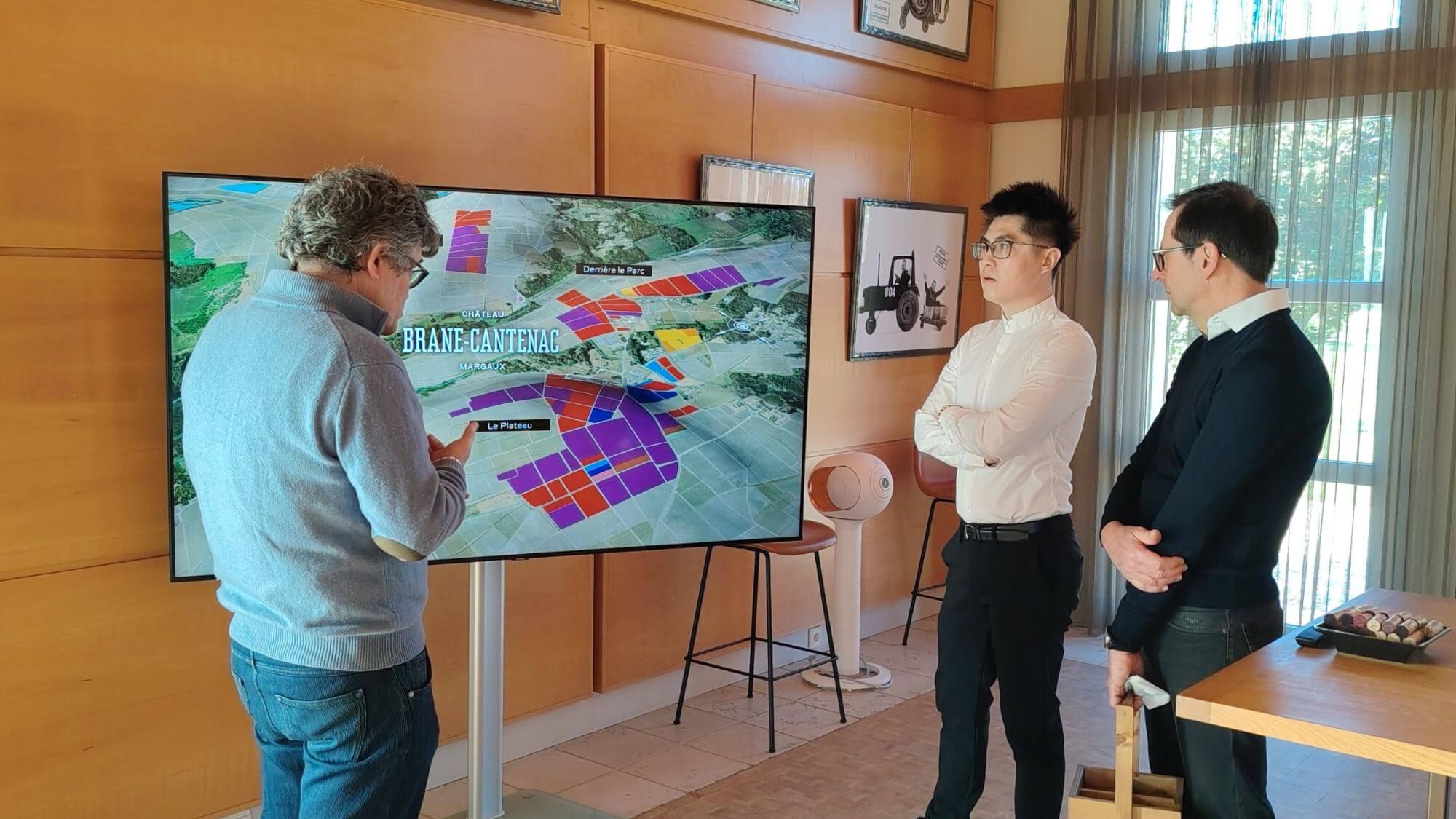
Friends who have attended my tastings have probably heard me repeatedly talk about “Terrasse 4.” And those who know me well also know that I have an almost obsessive fascination with this kind of terroir. Some of the estates I admire most, such as Château Montrose, Château Léoville Las Cases, and Château Latour, are all masterpieces born from Terrasse 4 terroirs.
So what makes Terrasse 4 so extraordinary?
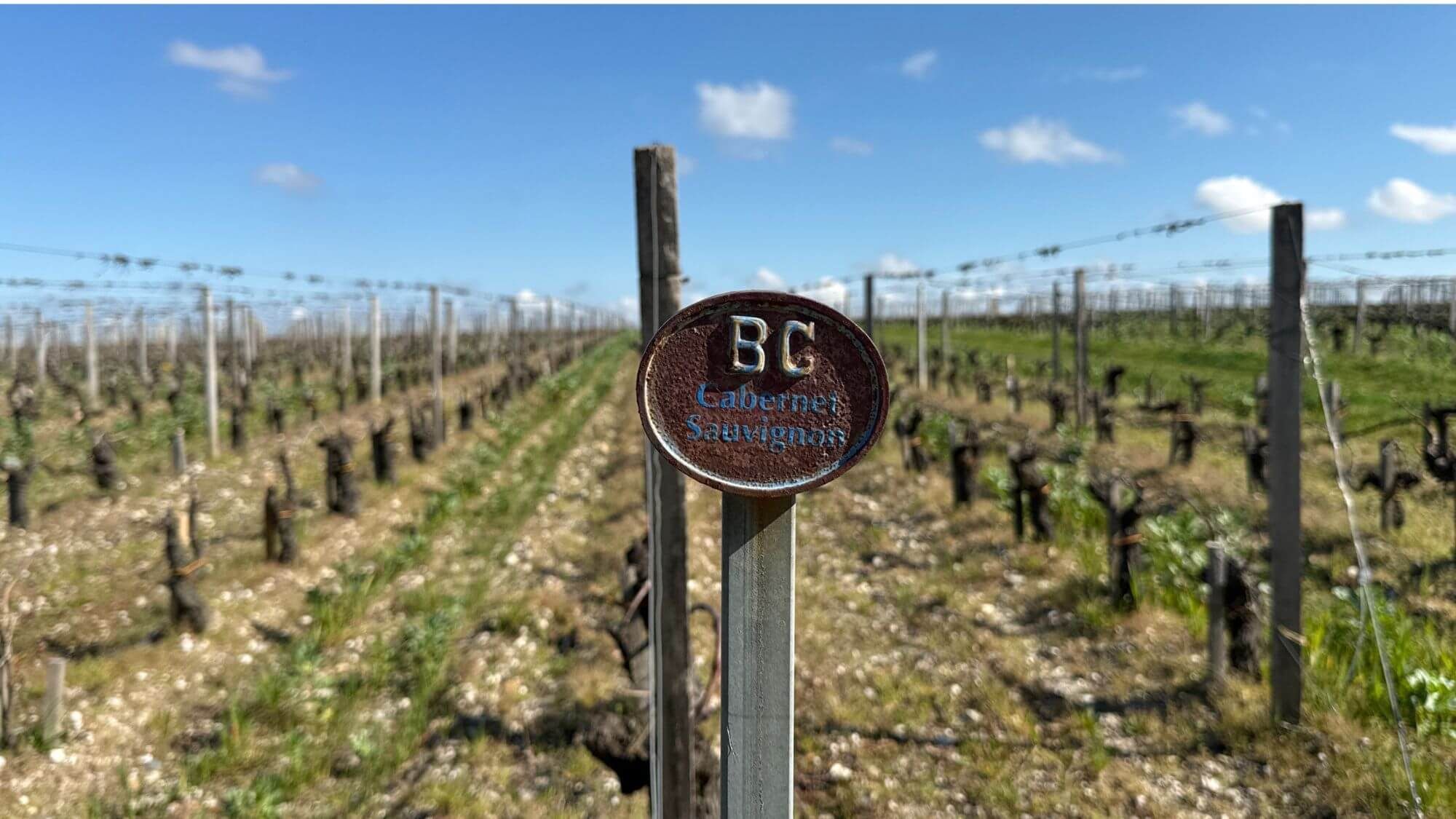
Beneath these gravelly soils lies a dense layer of clay. The gravel surface heats up rapidly, helping the grapes achieve full ripeness, while the deep gravel layers provide exceptional drainage, forcing the vine roots to drive ever deeper into the earth. Deeper roots, lower vine vigor, smaller berries, and more consistent ripening… it is almost the perfect natural environment for great Cabernet Sauvignon.
But the real secret of Terrasse 4 lies in the clay beneath. During drought conditions, it preserves precious moisture for the vines. During periods of intense heat, it stabilizes the soil temperature and prevents it from rising too quickly. In this slow and steady rhythm, the grapes are able to achieve perfect phenolic and sugar ripeness simultaneously. By the time the tannins have fully unfolded, the aromatics have also been given ample time to settle, deepen, and gather complexity, ultimately creating wines of astonishing structure and dimension.
That is the secret of Terrasse 4.
Since 2019, every drop of Château Brane-Cantenac’s Grand Vin has come exclusively from Terrasse 4. Meanwhile, Baron de Brane, the second wine, is produced entirely from Terrasse 3 and part of Terrasse 5. And it is worth remembering that Terrasse 3 alone would already constitute the core terroir of most classified growth estates. Yet in the world of Château Brane-Cantenac, it is deemed suitable only for the second wine.
That level of confidence and conviction is, frankly, rare even in Bordeaux.
The next time you visit the estate, you will almost certainly pass the large sign standing quietly among the vines, marked simply with the words: Terrasse IV.
And once you stand upon that remarkable piece of land yourself, you may finally understand why I am so convinced that Château Brane-Cantenac will become the next true Super Second.
2001: The Awakening of Château Brane-Cantenac
Many people tend to associate the rise of Château Brane-Cantenac with the period after 2019. But if you truly trace the estate’s evolution over the past three decades, you begin to realize that its first real turning point actually came much earlier, between 2000 and 2001.
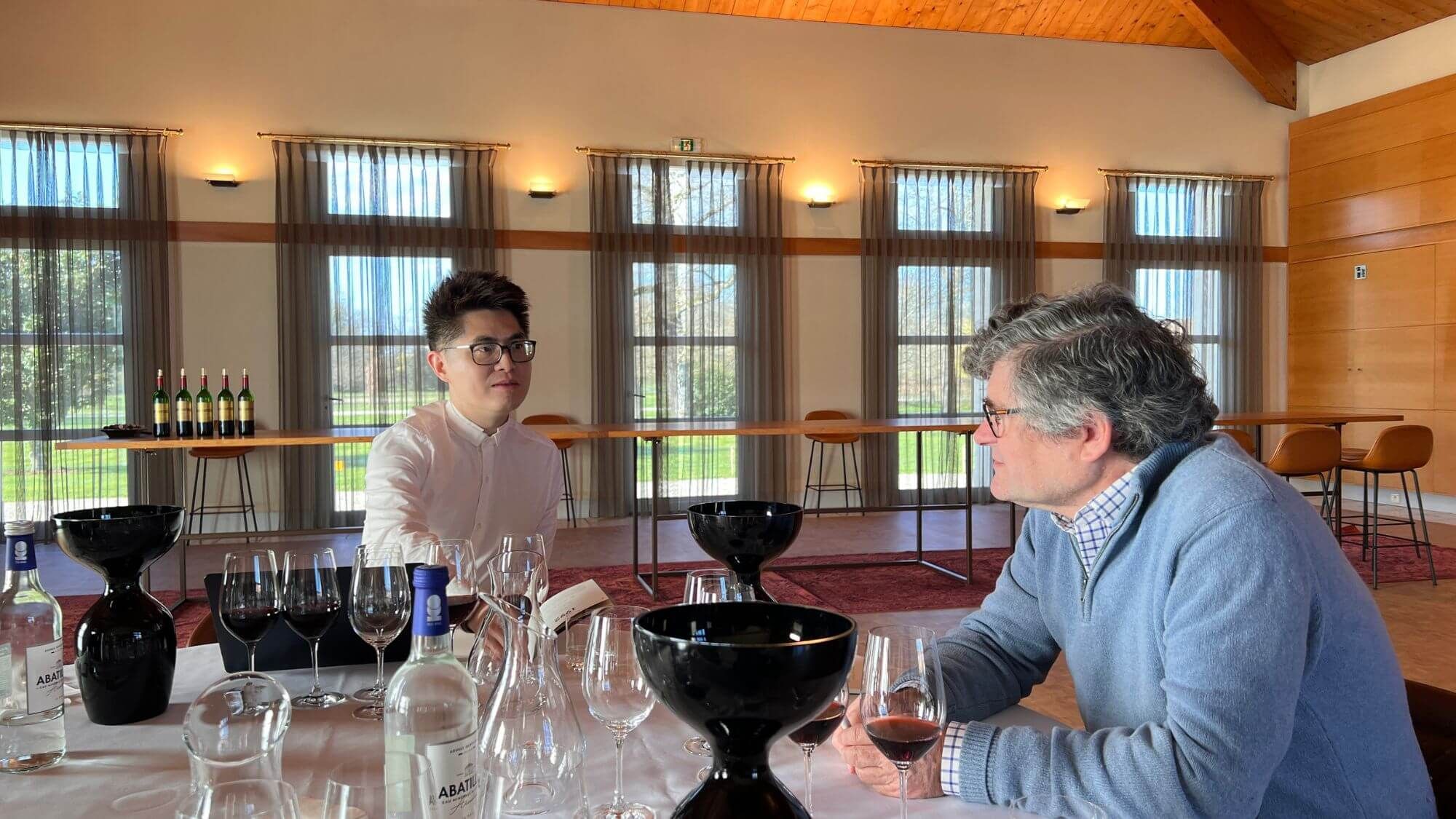
In 2000, estate owner Henri Lurton began what would become a twenty-six-year partnership with Christophe Capdeville. That same year, Christophe was promoted from cellar master to technical director. Twenty-six years is long enough to encompass the greater part of two careers, but also long enough for a professional relationship to evolve into something far deeper, a kind of instinctive understanding that no longer requires explanation. In my eyes, they long ago moved beyond the traditional roles of owner and technical director, becoming more like brothers working side by side.
It was also during this period that the estate came to a profound realization: the true core of Château Brane-Cantenac was not simply Margaux itself, but the extraordinary Terrasse 4 beneath their feet. From that moment onward, they began moving ever closer toward the terroir, allowing the land to speak more directly through the wine.
At the same time, the proportion of new oak was officially increased to 70%, after remaining between 40% and 60% throughout most of the 1990s. And this is precisely why, during the tasting, I could clearly feel that after 2001, Château Brane-Cantenac developed a far stronger sense of direction for the very first time.
In the glass, that shift translated into a deeper mid-palate, a tighter structural framework, and a steadily growing sense of depth and power. Vintages such as 2001, 2005, 2009, and 2010 revealed a style that felt darker, more concentrated, and more architecturally structured than what people traditionally associate with Margaux.
2019: A Complete Rebirth
The 2019 vintage marked nothing less than a new era for Château Brane-Cantenac.
When I first tasted the wine in bottle, I sensed the transformation almost immediately. What happened in 2019 was not a minor technical adjustment, but a complete restructuring of the estate’s philosophy, from vineyard management to vinification, from oak handling to the very logic behind the winemaking itself.
The most significant shift began in the vineyard. From this vintage onward, the Grand Vin definitively abandoned Terrasse 3 and focused entirely on Terrasse 4. I have already discussed the importance of this terroir earlier, so I will not repeat it here. But what deserves even greater attention is the sheer severity of the selection process. Even within Terrasse 4 itself, young vines, replanted parcels, and any blocks that failed to meet the required standard were entirely excluded from the Grand Vin. That level of discipline and conviction is genuinely impressive.
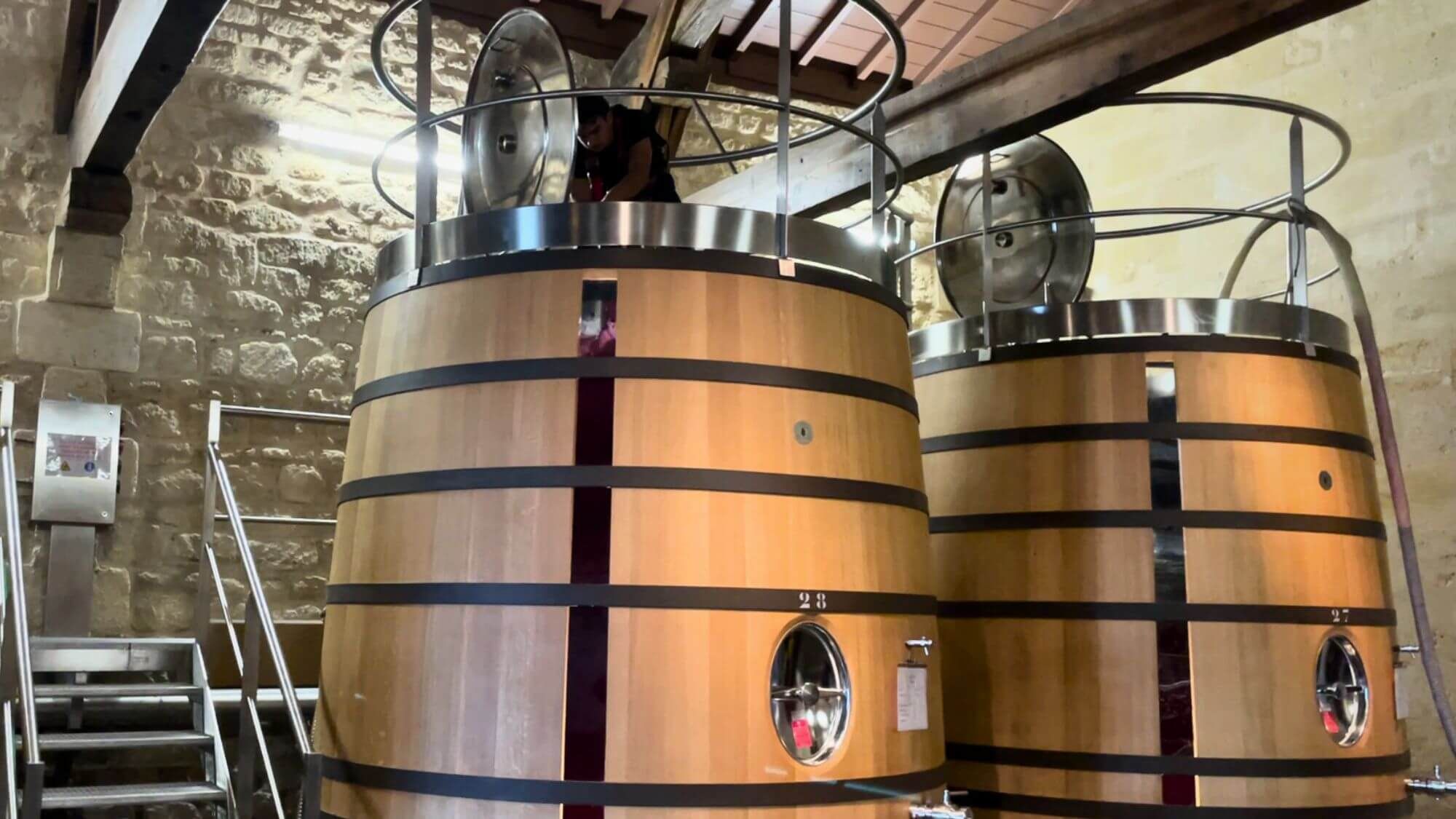
At the same time, the changes in the cellar were equally profound. Beginning in 2019, the estate completely abandoned the traditional remontage method and fully adopted the R’Pulse extraction system. To be honest, when R’Pulse first appeared, it generated quite a bit of controversy. Yet Henri and Christophe remained firmly convinced that extraction should never be about “more,” but rather about “precision.”
Henri later explained that the true value of R’Pulse was not its ability to extract more material, but its capacity to capture the finest color and tannins more rapidly and with greater precision, while avoiding the harsher elements that often emerge later in the extraction process. And you can clearly feel the result in the wines themselves. Since 2019, the structure has become deeper and more layered, yet the tannins have grown increasingly refined. More remarkably, the wines have begun to display a very distinctive sense of transparency.
It is also worth noting that this technology was gradually adopted by many leading Bordeaux estates afterward, with some properties now relying on R’Pulse for virtually all of their extraction work. But perhaps the most fascinating evolution concerns the oak.
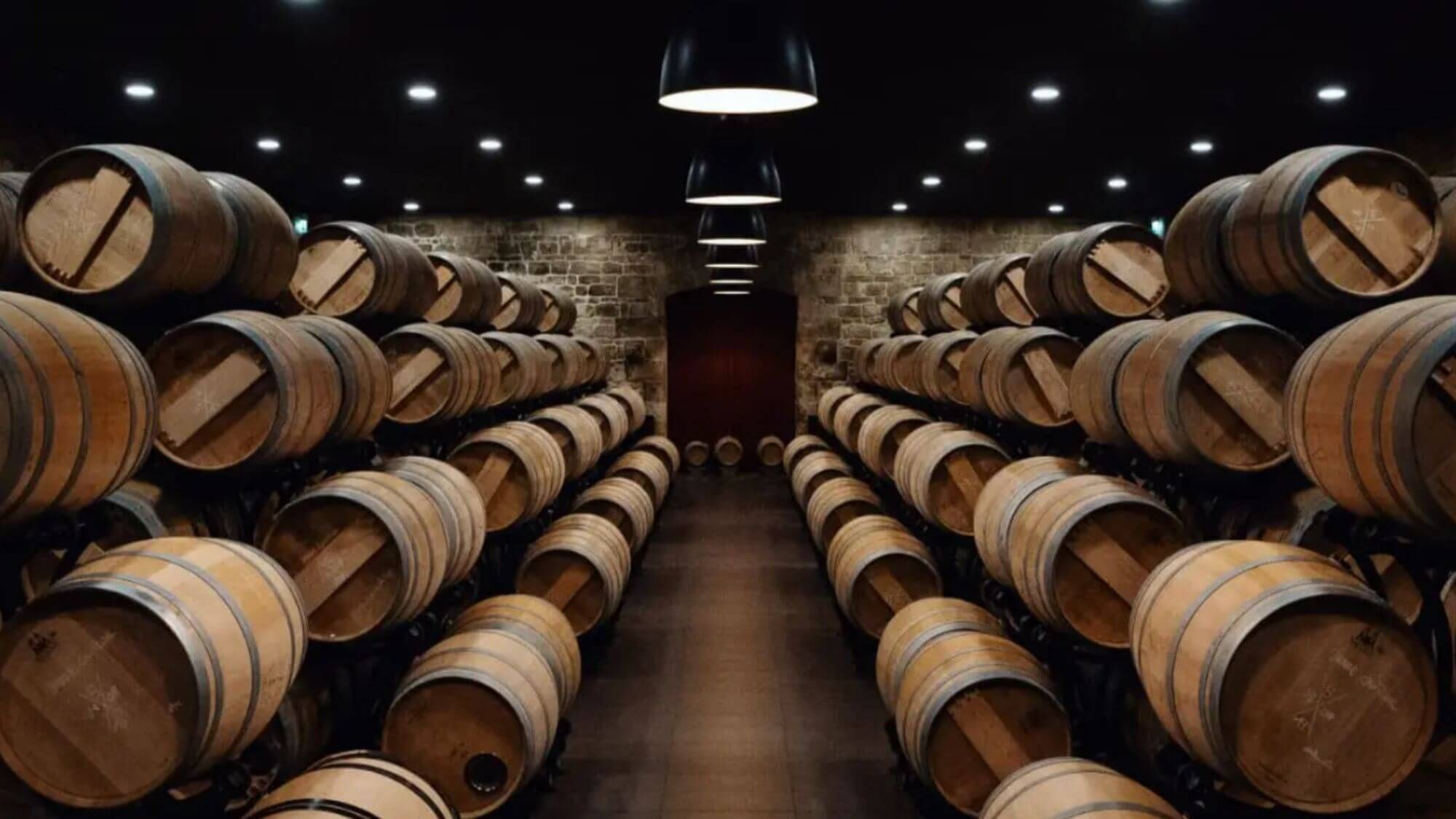
At a time when much of the wine world is talking about reducing oak influence or even “de-oaking” wines altogether, Château Brane-Cantenac chose to move in the exact opposite direction. Starting in 2019, the Grand Vin began aging in 100% new French oak, with malolactic fermentation taking place directly inside the new barrels. Beyond that, the grapes from Terrasse 4 were also returned to the estate’s most traditional large wooden fermentation vats. On paper, these choices almost resemble the old-school Bordeaux approach of the 1990s. And yet the final result left me genuinely astonished.
Why 100% New Oak?
Through years of observation and experimentation, the team at Château Brane-Cantenac gradually came to realize that the Terrasse 4 terroir gives the grapes an inherent sense of richness and structural depth, a texture that continues to expand and gain complexity with age. It reminds me of a powerful thoroughbred horse, born with immense stature and strength. To support that kind of frame, you need horseshoes strong enough to match it. That is precisely why Château Brane-Cantenac chose to embrace 100% new oak: to carry the wine’s natural density and uphold the grandeur of its structure.
But this immediately raises another question. While 100% new oak can certainly provide texture and framework, it can also easily overwhelm floral and fruit expression. So how do you preserve the architecture of the wine without leaving obvious traces of oak behind?
The answer lies in an almost obsessive level of precision.
After decades of continuous experimentation, the estate now works with eight different cooperages and has access to as many as twenty-eight combinations of barrel types and toast levels. Throughout each aging cycle, Henri and Christophe’s team taste relentlessly, constantly fine-tuning the relationship between wine and oak until they achieve what can only be described as “invisible oak handling.”
And during my tasting, this was strikingly clear. Even with 100% new oak, the fruit expression remained remarkably transparent. By the third year after bottling, even the toasted notes from the barrels had already begun to quietly recede into the background. What remains is the finely sculpted tannic texture shaped by the new oak itself, spreading across the palate with a dense, velvety sensation. It reminded me of black sesame tangyuan slowly melting in the mouth: silky, compact, yet carrying a gentle softness beneath the power.
This is precisely why I find myself admiring Château Brane-Cantenac more and more.
They are using some of the most traditional tools imaginable, yet somehow arriving at one of the most modern expressions in Bordeaux. And it became deeply clear to me that 2019 was not merely an upgrade for Château Brane-Cantenac. It was a true reinvention of the estate itself, a vintage destined to leave a permanent mark on its history.
When the Estate Chose to Embrace Cabernet Sauvignon
While reviewing the blending proportions of Château Brane-Cantenac over the past three decades, I noticed a particularly fascinating evolution.
Throughout most of the 1990s and the years before 2010, the proportion of Cabernet Sauvignon was actually not especially high, often hovering around 50%. In vintages such as 1996 and 2001, Cabernet Sauvignon accounted for only 35% of the blend. But beginning around 2014, the percentage started to climb steadily, and since 2018, it has consistently remained above 70%.
I specifically asked winemaker Christophe Capdeville about this shift, and his answer revealed a great deal about the estate’s philosophy.
The reason Château Brane-Cantenac continues increasing the proportion of Cabernet Sauvignon is simple: they have become more and more convinced that if the goal is to produce truly great wines capable of long aging, Cabernet Sauvignon is the best answer.
Especially in an era of global warming, Cabernet Sauvignon preserves freshness far better than Merlot. It naturally maintains lower pH levels, brighter acidity, and more controlled alcohol levels. In addition, it also shows significantly stronger resistance to downy mildew.
But perhaps most importantly, Cabernet Sauvignon and the Terrasse 4 terroir form what Christophe described as a perfect union. Together, they create wines that not only possess the nobility and structure of great Médoc, but also carry a singular identity that simply cannot be replicated anywhere else in the world.
And the results have fully validated that decision.
2018, 2019, 2020, 2022, 2023… one hot Bordeaux vintage after another. Yet in the wines of Château Brane-Cantenac, you can always find that reassuring freshness, that cooling touch of pine and evergreen, while the structure of the wine remains remarkably precise and clearly drawn.
Within Margaux especially, this style feels entirely unique.
Brane-Cantenac Blanc: A Rising Star Worth Watching
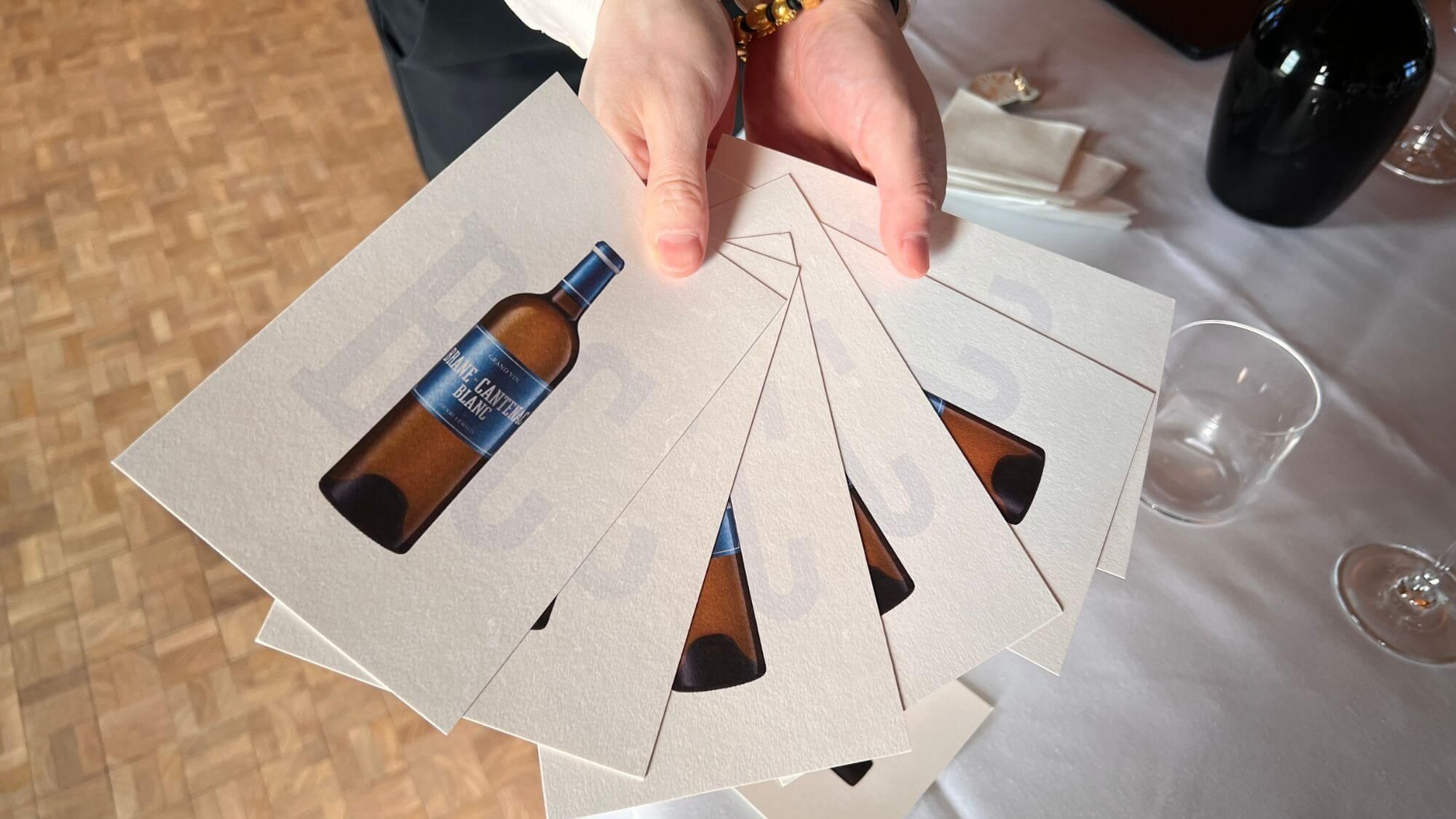
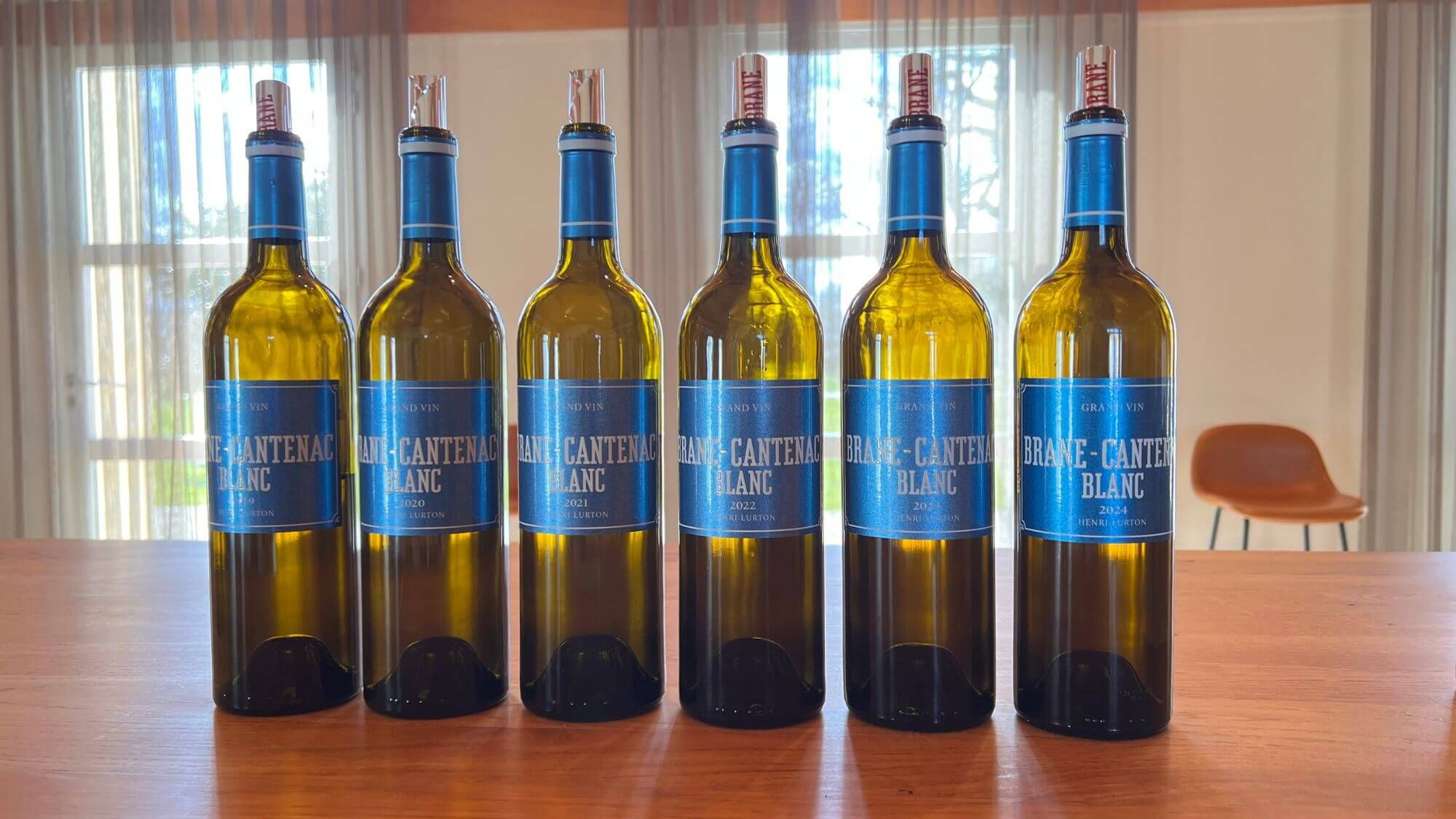
During this vertical tasting, I also had the opportunity to taste every vintage of Brane-Cantenac Blanc. It remains relatively unknown among Chinese wine lovers, so I would like to take this opportunity to share a few thoughts on a wine that I believe deserves far more attention.
In truth, I have been following this project for quite some time.
Its Sauvignon Blanc comes from a late-ripening sandy parcel on Terrasse 5, while the Sémillon is sourced from the heart of Terrasse 4. Yes, the very same gravel-and-clay plateau that produces the Grand Vin. With origins like these, it was never destined to be an ordinary white wine.
When the inaugural 2019 vintage was released, it immediately impressed me with its sense of power and generosity. To be honest, I was not entirely convinced by the integration of all the elements at that stage. But even then, I could sense the quality of the raw material beneath the surface. It felt like a wine with exceptional foundations, one that simply needed the right vintage conditions to reveal its full potential.
The answer arrived in 2021.
That vintage’s vibrant acidity found a perfect balance with the wine’s naturally rounded texture. The crisp freshness wove seamlessly into the slightly creamy body, creating a harmony that felt effortless. Then, after swallowing, a refined saline note slowly emerged, accompanied by a delicate minerality that seemed to appear from nowhere, gently lifting the entire palate onto another level.
Logically speaking, for a white wine that already possesses such natural richness, one might expect the estate to increase the proportion of Sauvignon Blanc to bring greater tension and linearity. Yet the opposite happened. In both 2023 and 2024, the percentage of Sémillon continued to rise, reaching 38% and 47% respectively.
And the result was remarkable.
The 2023 vintage was, for me, the wine that truly stole the show. It retained all of its generosity while carrying none of the excess weight that often accompanies richness. Precision and density seemed to move in perfect unison. The experience reminded me of a chilled osmanthus dessert infused with sea salt, freshly taken from the refrigerator: crystalline, silky, and refreshing, with a delicate salty touch lingering on the finish, gently awakening the senses and drawing you back for another sip.
Of course, the wine has existed for only six vintages, and there are still countless details that will continue to evolve over time. But considering what the team has already achieved with their red wines, there is every reason to believe that this young project will continue to grow into something truly special in the years ahead.
————————————————————————————————
When the tasting finally came to an end, I remained seated for a long while, in no hurry to leave.
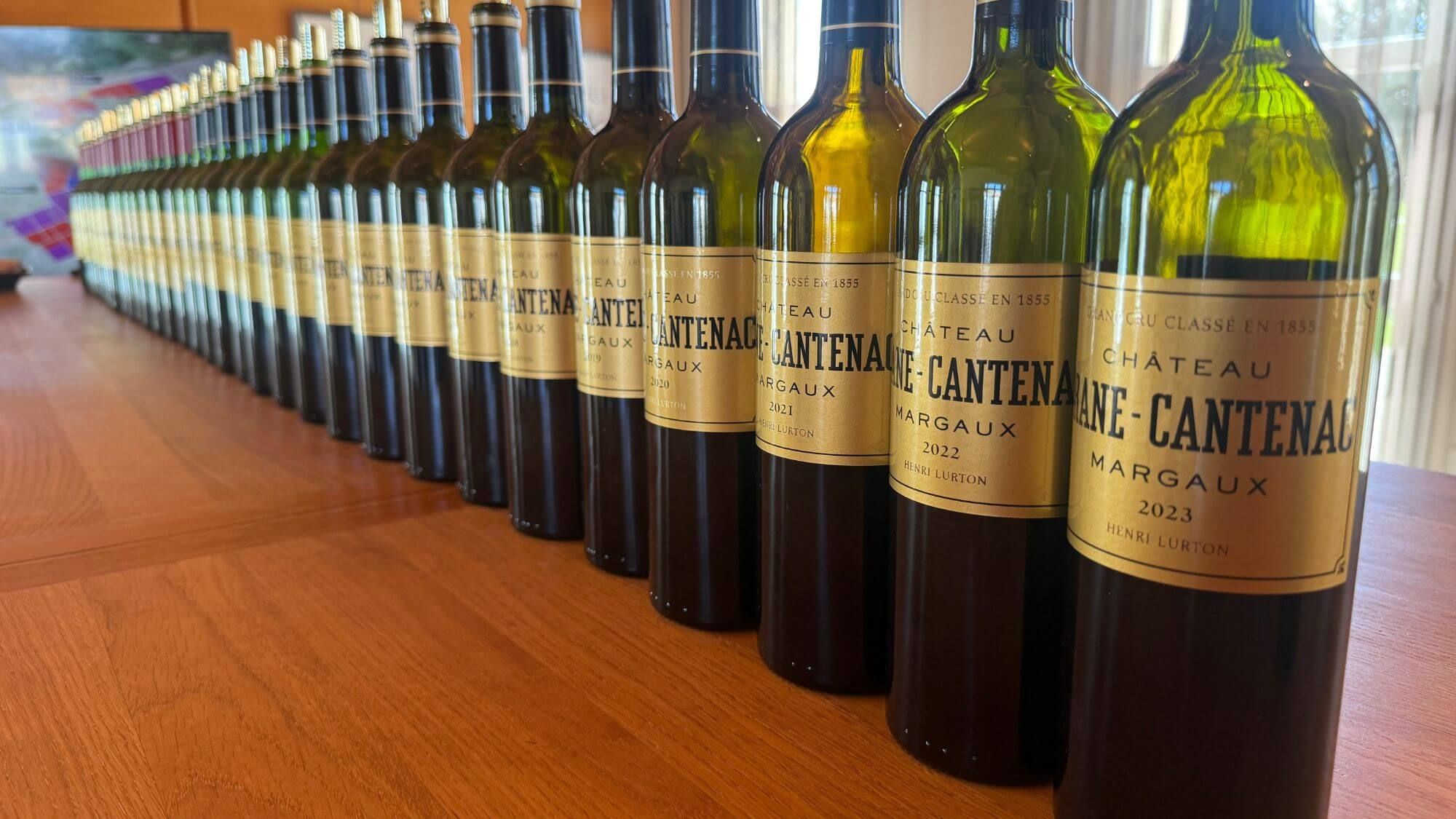
Thirty-two vintages stood side by side before me, each bottle holding a fragment of time preserved within the vineyard itself. From 1992 to 2023, it felt as though I had witnessed an estate slowly complete a decades-long journey of self-discovery. Its transformation did not happen overnight. It was hidden within the decisions made vintage after vintage, buried in the gravel of Terrasse 4, and shaped through the quiet understanding shared between Henri Lurton and Christophe Capdeville over twenty-six years of working side by side.
When people talk about the rise of a great estate, they often search for a defining moment: a perfect score, a transformative investment, a sudden turning point that changed everything. But what I saw in Château Brane-Cantenac was something entirely different.
I saw the beauty of steady, grounded growth.
There was no dramatic plot twist, no overnight success story. Only a quiet determination to keep moving forward, year after year. And in many ways, that deeply resonates with the way I understand life itself.
-In 1992, when Henri had just taken over the estate, the wines still carried a touch of youthful uncertainty.
-In 1993, his eldest son Vincent was born. During the day, Henri watched over the fermentations; at night, he moved endlessly between the cellar and the nursery, between barrels and baby bottles.
-After 2001, the estate finally began to develop a true sense of direction.
-In 2010, the introduction of optical sorting became another major step forward.
-And after 2019, Château Brane-Cantenac completed a genuine reinvention of itself.
-By the time the legendary 2022 vintage arrived, the estate no longer needed comparison with anyone else. It had already become one of the brightest stars in all of Margaux.
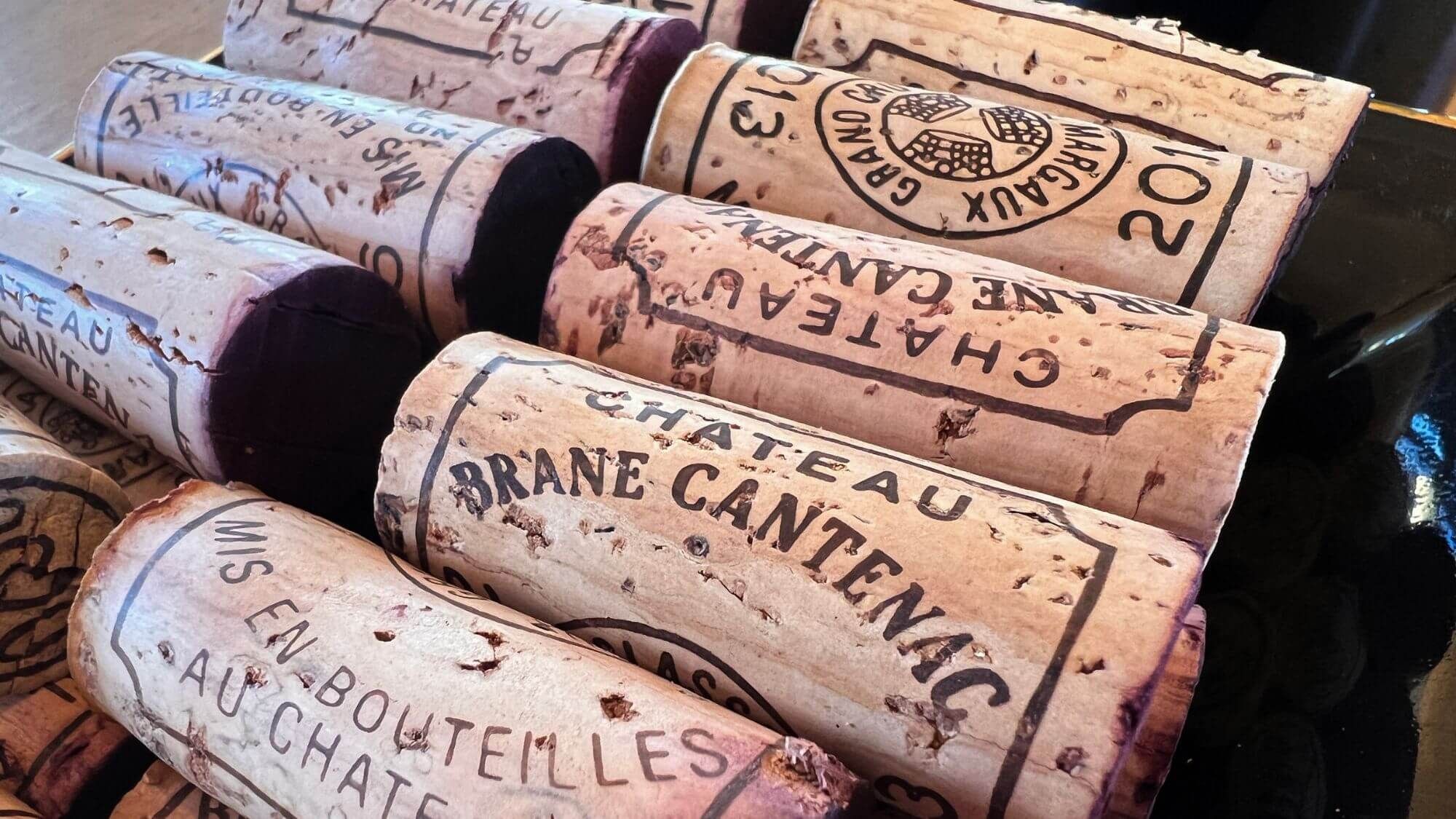
So by the time you reach this point in the story, I think you probably understand very clearly why I have included Château Brane-Cantenac in the AMA Selection four consecutive times, and why I feel such a strong desire to help people who love Bordeaux, and truly understand Bordeaux, discover the beauty of this estate.
Which brings us back to the original question:
Who will become Bordeaux’s next “Super Second”? My answer remains immediate and unwavering: Château Brane-Cantenac.
And this time, I believe it more firmly than ever.